Operational Dynamics of High-Consequence Incident Response
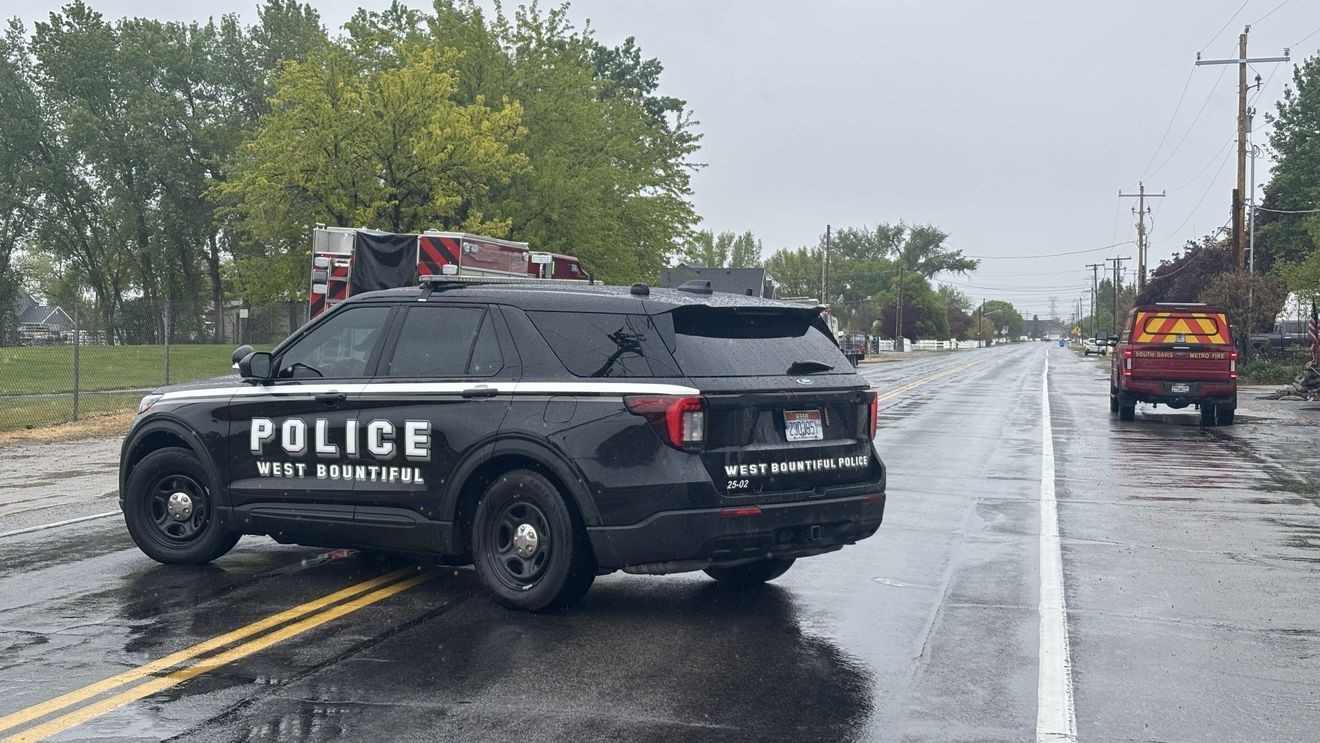
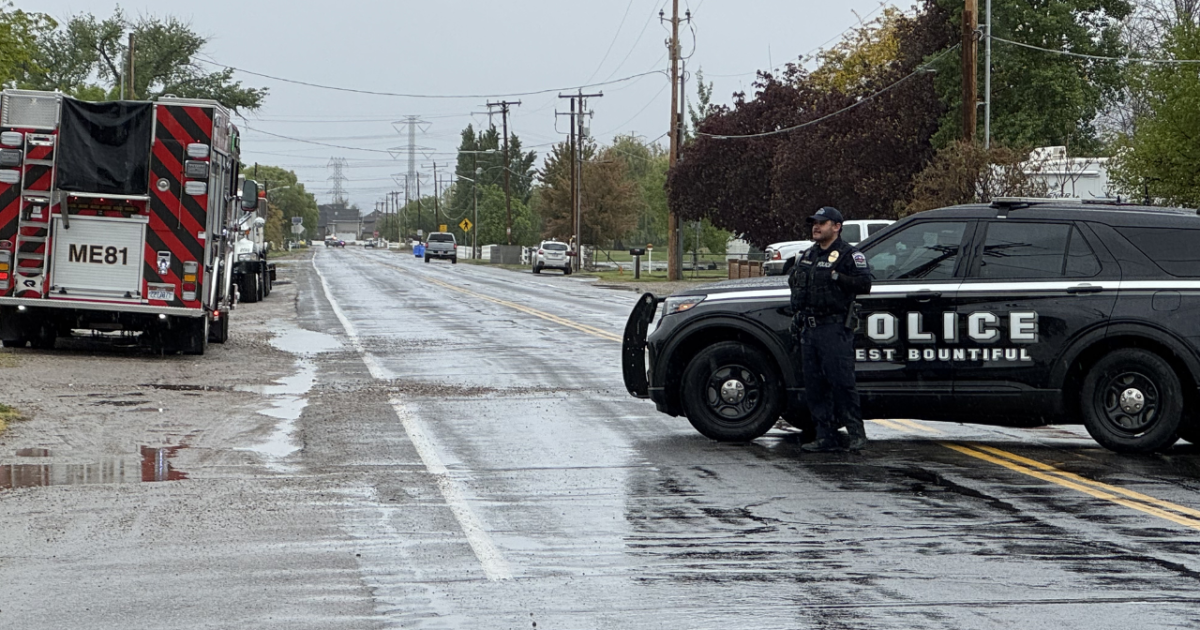
The recent mandatory evacuation in West Bountiful, Utah, functions as a critical case study in the management of legacy hazardous materials within suburban environments. The discovery of degraded dynamite in immediate proximity to a 2,500-gallon diesel fuel tank necessitated an immediate 2,000-foot safety radius. This calibration of the exclusion zone underscores the application of blast-radius modeling utilized by municipal bomb squads to mitigate potential kinetic energy release in high-density residential sectors.
This incident illuminates the transition from routine law enforcement activity—initially a domestic violence investigation—to high-stakes specialized operations. Such shifts require instantaneous re-allocation of resources and the activation of inter-agency protocols, demonstrating the necessity for multi-disciplinary training among first responders.
Regulatory Lacunae in Legacy Hazardous Storage
The presence of volatile, aging explosives in residential zones highlights a significant systemic gap: the reliance on incidental discovery rather than proactive monitoring for private hazardous material storage. While industrial zones are subject to stringent oversight, legacy materials stored on private property often evade regulatory frameworks until a secondary emergency triggers a search. This creates an asymmetric risk profile where public safety is contingent upon the absence of accidental ignition or situational discovery.
The strategic decision to close major infrastructure, specifically the Legacy Parkway, reflects a prioritize-safety hierarchy. By favoring the containment of catastrophic risk over the maintenance of regional transit flow, authorities demonstrated a commitment to established risk-mitigation benchmarks, despite the resultant economic and logistical friction.
Fiscal Externalities and Legal Accountability
The mobilization of bomb disposal units, emergency shelter establishment, and door-to-door notifications represents a significant fiscal externality for local government. These operations strain municipal budgets, requiring rapid deployment of specialized assets that are often funded through contingency reserves. The administrative burden of neighborhood-wide clearance is substantial, involving complex logistics for vulnerable populations and pet safety.
The legal proceedings against 80-year-old Dwayne Raymond Hughes—facing second-degree felony explosive possession and reckless endangerment—serve as a mechanism for judicial accountability. The denial of bail by the court reflects an institutional assessment of the severity of the threat and the potential for persistent community risk, aligning the judicial response with the physical gravity of the recovered materials.
Infrastructure Resilience and Strategic Policy Implications
The West Bountiful incident underscores the fragility of suburban infrastructure when confronted with localized, high-consequence hazards. Successful resolution through the removal of the volatile materials suggests that existing emergency response frameworks are tactically proficient but strategically reactive. To move toward a preventative model, municipalities may need to re-evaluate the intersection of private property rights and public safety disclosure requirements regarding volatile substances.
The coordination between the West Bountiful Police Department and the Utah Highway Patrol highlights the efficacy of horizontal integration during crises. Such multi-jurisdictional cooperation is vital for managing the downstream effects of localized emergencies on regional infrastructure, ensuring that safety perimeters do not cause systemic failure of transportation networks. Moving forward, the adjudication of the Hughes case will likely provide a legal precedent for how the state handles the long-term storage of unauthorized, hazardous kinetic materials.