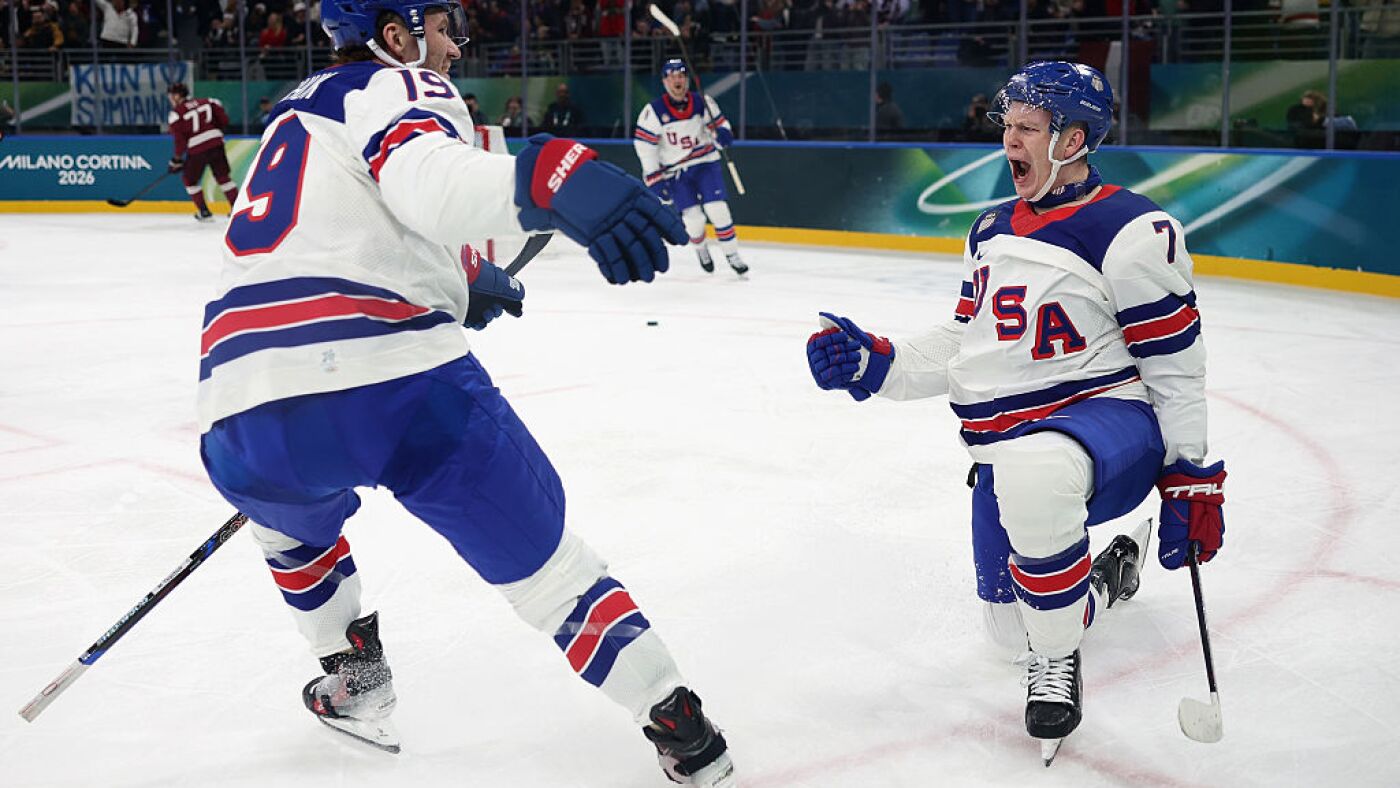
The Paradigm Shift: NHL Integration at Milan Cortina 2026
The 2026 Milan Cortina Winter Games represent a sophisticated pivot in USA Hockey’s roster construction, moving beyond raw skill toward a model of psychological and physical leverage. By integrating Matthew and Brady Tkachuk alongside Jack and Quinn Hughes, the U.S. Men’s National Team is attempting to reconcile the NHL’s high-intensity style with the tactical demands of international ice.
Functional Grit: The Tkachuk Tactical Multiplier
The selection of Matthew and Brady Tkachuk serves as a strategic countermeasure against the disciplined, puck-possession systems favored by European opponents. While often viewed as agitators in a domestic NHL context, their international utility lies in their ability to disrupt defensive structures through physical intimidation and net-front dominance. Coach Mike Sullivan’s designation of the brothers as the ‘heart and soul’ of the roster signals a move to prioritize ‘functional grit’—assets that generate spatial advantages and power-play opportunities.
Statistically, the Tkachuks’ combined eight points in preliminary play validate this approach. Their performance suggests that an abrasive style, when executed by elite-tier talent, successfully translates to the larger Olympic sheet, creating a force multiplier for the team’s offensive efficiency.
Institutional Memory and Generational Continuity
The 2026 roster leverages a rare form of institutional memory. The Tkachuks’ presence marks a full-circle narrative from the 2006 Torino Games, where they observed their father Keith’s final Olympic appearance. This generational continuity mitigates the psychological volatility of the Olympic environment, allowing for heightened focus on officiating standards and the condensed tournament schedule. This inherent familiarity provides a marginal but critical gain in readiness over less experienced rosters.
Commercial Activation and the Modern Athlete Archetype
Milan 2026 also serves as a laboratory for the NHL’s evolving marketing strategy. The ‘Team USA Welcome Event’ at the Sheraton Milan Malpensa illustrates a shift toward the ‘celebrity athlete’ model. While the Tkachuks provide the on-ice identity, Jack and Quinn Hughes represent a polished, lifestyle-oriented brand. Strategic alignments with Ralph Lauren and Skims indicate a concerted effort to elevate hockey stars into the global cultural zeitgeist, competing for the demographic reach typically reserved for basketball and soccer icons.
Operational Friction and Performance Mitigation
Managing the physiological toll of a mid-season trans-Atlantic transition remains a significant operational variable. The logistics—ranging from overnight JFK-Milan flights to rapid time-zone adaptation—require rigorous medical oversight. The Sheraton Malpensa atrium functions as a vital buffer zone, separating commercial obligations from the high-performance environment of the Olympic village to ensure tactical focus ahead of the knockout stages.
The Knockout Phase: Strategic Implications
As Team USA enters the quarterfinals, the focus shifts to special teams and defensive discipline. Whether facing Sweden’s methodical transition game or a trap-heavy Latvian system, the U.S. must maintain its aggressive forecheck without sacrificing structural integrity. The outcome of this tournament will likely dictate the NHL’s long-term international strategy and the viability of this hybrid roster-building philosophy.