
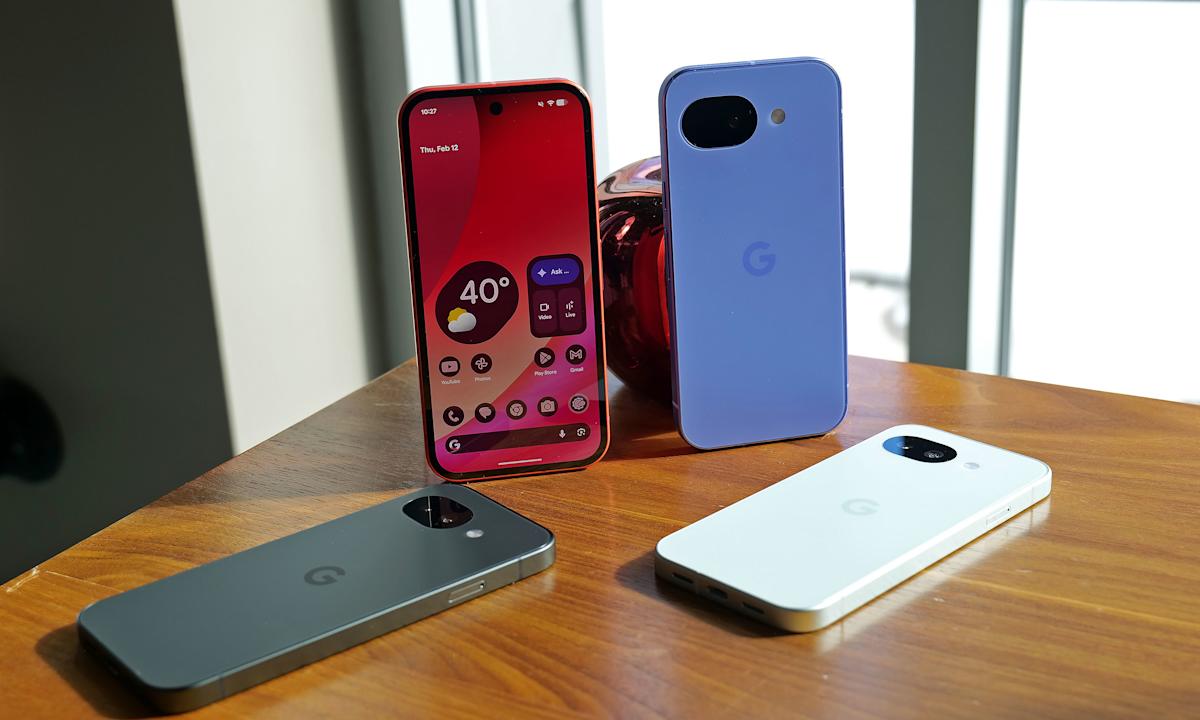
Google Pixel 10a: Strategic Play for Midrange Market Dominance
Google has launched the Pixel 10a, strategically positioning it as a high-value proposition within the fiercely competitive midrange smartphone market. Priced at $499, the device is designed to secure Google’s A-series reputation by delivering premium features at an accessible cost. The timing of this release, specifically ahead of the anticipated iPhone 17e launch, suggests a calculated move to capture consumer purchasing cycles preemptively and challenge established rivals by setting a high standard for value in this segment.
The Pixel 10a represents more than a product refresh; it signifies Google’s continued commitment to leveraging its software and AI capabilities within a cost-effective hardware package. By offering premium features at a midrange price point, Google aims to expand its ecosystem footprint and attract users who might otherwise gravitate toward other budget-friendly options or older flagship models from competitors. This approach seeks to convert price-sensitive consumers into long-term users of Google’s high-margin services and applications.
Feature Analysis: Differentiation Through Display and Charging
Google’s hardware specifications for the Pixel 10a reveal a deliberate strategy focused on differentiating the device within the value segment. The most significant investment in this model is the display technology. The inclusion of a 6.3-inch OLED screen featuring a 120Hz refresh rate and 3,000 nits of peak brightness directly elevates the user experience for media consumption and interface responsiveness. This decision challenges competitors who typically reserve such high-end display specifications for their premium flagship models, effectively reducing the perceived performance gap between Google’s A-series and higher-tier devices.
Further enhancing the device’s value proposition are significant upgrades to charging capabilities. Wired charging capacity has been increased from 23 watts to 30 watts, while wireless charging capability has doubled from 5 watts to 10 watts. These enhancements address critical user pain points related to battery life and charging convenience, demonstrating Google’s understanding of consumer priorities where convenience and performance are paramount. This focus on practical, high-impact features demonstrates a strategic understanding of the value segment, where incremental improvements in daily functionality often outweigh aesthetic or niche functionalities.
Product Segmentation and Operational Trade-offs
While the Pixel 10a introduces premium features, Google simultaneously employs strategic product segmentation to protect its higher-margin flagship devices. The most notable limitation is the absence of native support for magnetic Pixelsnap accessories, a feature present in its more expensive siblings. This omission serves a dual purpose: it maintains a clear feature distinction between the A-series and Google’s flagship models, thereby preventing internal competition. Simultaneously, it incentivizes users seeking full ecosystem integration and accessory compatibility to upgrade to premium devices, optimizing Google’s overall hardware portfolio profitability.
Operational decisions regarding component reuse further illustrate Google’s cost optimization strategy. The decision to maintain the same battery capacity (5,100mAh) as its predecessor, while increasing charging speed, represents an operational trade-off. This approach allows Google to leverage existing supply chain components for the battery itself, reducing costs and complexity, while investing in charging technology to improve user experience. This balance between component reuse and targeted upgrades is essential for maintaining the A-series’ competitive pricing without inflating manufacturing costs beyond the target price point.
Sustainability as a Strategic Differentiator
The Pixel 10a incorporates sustainability metrics as a core component of its value proposition, aligning with evolving consumer preferences and regulatory pressures. Google states that the phone’s chassis is constructed from 100 percent recycled material, while the rear panel utilizes 81 percent recycled content. These figures are not merely environmental claims; they represent a calculated effort to appeal to a growing segment of consumers who prioritize corporate responsibility and sustainable sourcing in their purchasing decisions.
From an operational standpoint, integrating recycled materials into the supply chain presents both challenges and opportunities. While sourcing recycled materials can introduce complexities in manufacturing consistency and cost management, it also provides a hedge against commodity price volatility and supply chain disruptions associated with virgin materials. By emphasizing these sustainability credentials, Google aims to build brand loyalty and differentiate itself from competitors who may face scrutiny over their environmental impact, particularly in markets with strong environmental, social, and governance (ESG) investment criteria.
Competitive Dynamics with Key Rivals
The midrange market is a critical battleground, and Google’s strategy with the Pixel 10a directly confronts the competitive landscape, particularly Apple’s anticipated iPhone 17e. Google’s preemptive launch aims to capture market share by offering a compelling alternative before Apple’s competing product enters the conversation. This move forces Apple to respond to Google’s feature set and pricing, potentially influencing the iPhone 17e’s market reception and competitive positioning.
Success in the A-series is essential for Google as it serves as the primary entry point for new users into its ecosystem. While Apple often relies on brand loyalty and ecosystem integration, Google leverages superior hardware specifications at a lower price point to attract consumers. The Pixel 10a’s 120Hz refresh rate and high peak brightness offer a potential performance advantage over a potentially lower-spec display on the iPhone 17e, forcing consumers to weigh feature parity against brand preference and ecosystem lock-in. The $499 price point reflects a strategic decision to optimize for market share rather than maximizing short-term hardware margins, understanding that volume in this highly price-elastic segment ultimately drives long-term service revenue growth for the company.
Financial and Ecosystem Outlook
The long-term financial implications for Google extend beyond direct hardware sales. Increased adoption of Pixel devices, even at lower margins, translates into higher engagement with high-margin services like Google One, Google Play Store purchases, and advertising revenue generated through user activity. Therefore, the strategic success of the Pixel 10a is measured not just by its sales figures, but by its contribution to Google’s broader services revenue stream.
The Pixel 10a’s position within Google’s hardware ecosystem is carefully managed to ensure clear product hierarchy. The device maintains core features like the IP68 rating for dust and water resistance, ensuring durability and reliability consistent with the Pixel brand standard. By offering a tiered product line, Google can cater to different consumer segments while encouraging users to upgrade to higher-priced devices as their needs evolve. The A-series acts as an entry point, providing a taste of the Pixel experience and software advantages, while the flagship models offer the full suite of features and ecosystem integration for users willing premium payers.

Photo by 12019 on Pixabay.