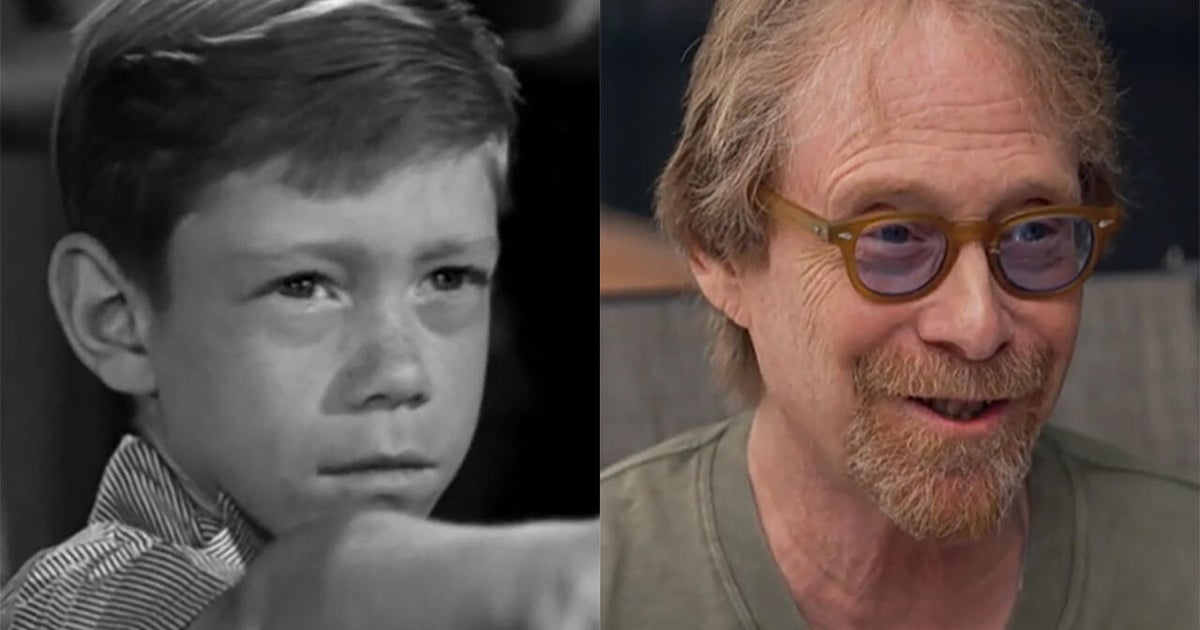
The career of Bill Mumy provides a robust framework for analyzing professional longevity within the volatile entertainment sector. Unlike the typical trajectory of mid-century child performers, Mumy’s tenure is characterized by a deliberate transition from high-visibility juvenile roles to sustained creative autonomy. This success was predicated on three pillars: institutional proximity, administrative discipline, and strategic market diversification.
Institutional Proximity as a Protective Barrier
A primary catalyst for Mumy’s stability was his mother’s position within the 20th Century Fox hierarchy. Serving as a secretary within the studio system, she functioned as an internal information broker. This proximity provided an essential layer of transparency regarding contract nuances, labor expectations, and studio politics—variables that are often opaque to talent outside the administrative core.
Her role enabled a level of oversight that effectively neutralized the systemic exploitation prevalent in the studio era. By documenting every engagement—notably recording a $600 fee for his seminal 1961 appearance in The Twilight Zone—she established a data-driven foundation for his career, treating his labor as a managed business enterprise rather than a transient novelty.
Portfolio Diversification: The Anthology Model
During the early 1960s, Mumy utilized the anthology television format to build a high-leverage professional portfolio. Participation in prestige series like The Twilight Zone allowed him to demonstrate range without the immediate brand-lock of a series regular contract. These roles functioned as market-entry tests, signaling his reliability to diverse production houses and veteran directors.
This period also served as an informal apprenticeship. Working alongside established figures like Cloris Leachman and Lucille Ball provided Mumy with a masterclass in set etiquette and behavioral standards. This early socialization into professional norms created a psychological groundedness that would later prove vital in navigating the transition to adult performance.
Global Integration and A-List Synergy
The 1965 production Dear Brigitte marked a strategic pivot toward global cinema. By sharing the screen with James Stewart and Brigitte Bardot, Mumy was integrated into a high-tier international market. The film’s marketing, centered on Mumy receiving Bardot’s first on-screen kiss from an American, was a calculated use of cultural capital to bridge domestic television charm with European cinematic allure.
Observing James Stewart’s operational methods offered Mumy a blueprint for lead-actor conduct. This exposure reinforced the technical proficiency and work ethic required to sustain a career beyond the expiration of childhood appeal, facilitating his eventual move into the long-running Lost in Space franchise with a mature professional identity already intact.
Creative Ownership and Risk Mitigation
The final phase of Mumy’s strategic evolution involved a shift from labor-for-hire to the generation of intellectual property. His transition into an Emmy-nominated songwriter and recording artist represents a calculated diversification of his revenue streams. By establishing himself in the music industry, Mumy decoupled his professional viability from his physical appearance or specific acting roles.
At age 72, Mumy’s status as a multi-hyphenate artist is the result of decades of administrative oversight and creative pivoting. His career stands as an institutional case study in how early structural support and a commitment to professional development can mitigate the inherent risks of the media industry, resulting in a six-decade legacy of creative and financial health.