The Strategic Impact of Defensive Attrition
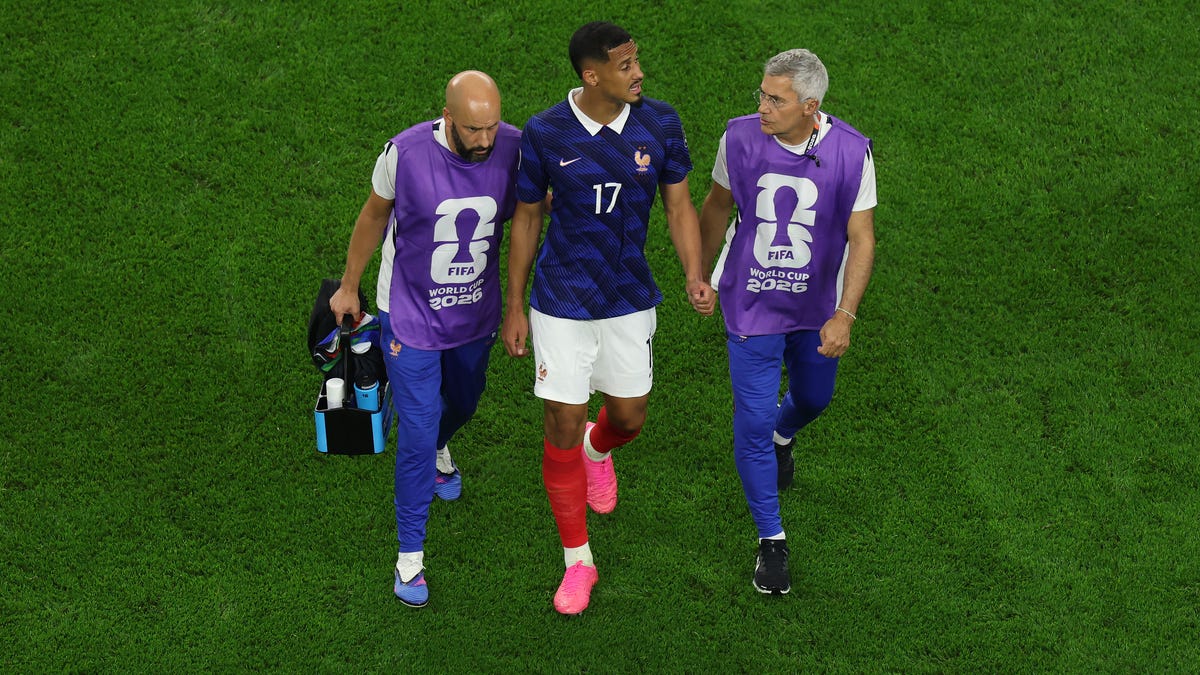
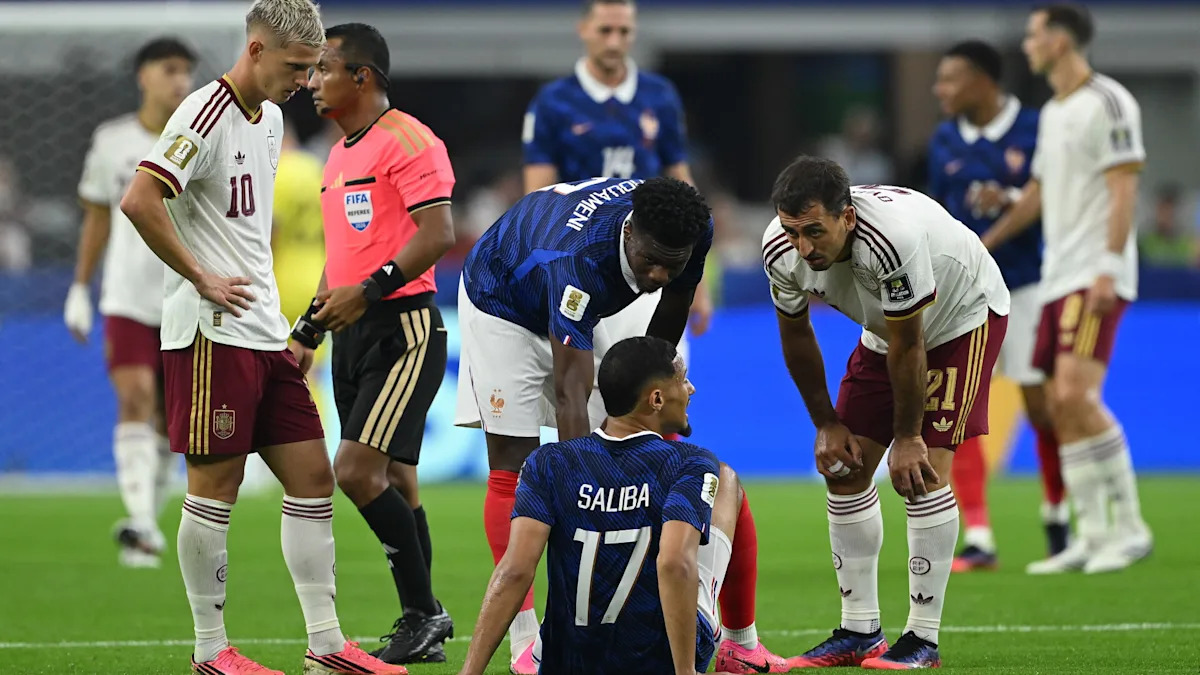
The forced withdrawal of William Saliba during the World Cup semifinal against Spain signals a critical breakdown in French defensive stability. His premature exit necessitates a rapid tactical pivot, exposing the fragility of high-stakes tournament squads reliant on individual defensive anchors.
Saliba’s 29th-minute non-contact injury highlights the cumulative physiological burden inherent in the modern game. Following a high-intensity season, the sudden transition to international football frequently exposes micro-traumas in athletes with high minute counts, transforming fatigue into acute injury.
Operational Challenges in Squad Management
The substitution of Maxence Lacroix tests France’s tactical depth. While Lacroix offers a standard replacement, he lacks the specific synchronization Saliba built during his Premier League and Champions League campaigns. This loss disrupts the defensive equilibrium that previously secured France’s progression through the knockout stages.
The medical staff’s prior management of Saliba’s back issue during the group stage indicates that his physical vulnerability was documented. This suggests a systemic failure to adequately balance short-term competitive urgency with long-term clinical safety protocols.
The Economics of Overplayed Assets
With over 3,700 minutes of play this season, Saliba serves as a definitive case study in athlete overexertion. The intersection of domestic title chases and deep European runs creates a calendar with negligible recovery windows, forcing players to compromise physical preservation for institutional success.
This environment creates a complex risk-assessment dilemma: the prestige of international success often conflicts with the duty of care owed to the athlete. The reliance on players who have hit their physical capacity limit is a recurring, predictable failure of the contemporary footballing ecosystem.
Systemic Implications for Club-National Relations
Arsenal, having relied on Saliba for their competitive objectives, now faces the fallout of his participation in an extended, high-intensity tournament. This dynamic highlights the lack of integrated health protocols between club and national team stakeholders.
As these parties continue to operate in silos, elite assets are increasingly treated as renewable resources rather than finite, high-value individuals. A shift toward data-driven, unified player monitoring is essential to prevent future catastrophic structural losses.
Tactical Adaptability as a Championship Metric
France’s defensive coordination under pressure is now the primary determinant of their viability. With Dayot Upamecano facing a new partner, the team must prioritize collective defensive discipline over the individual brilliance that previously masked minor structural weaknesses.
This transition marks a shift from defensive dominance to crisis management, forcing the squad to prove its institutional depth. The ability to pivot tactically mid-match without a core defender is the true test of a championship-caliber team.
Future Outlook and Policy Reform
The immediate consequence is the disruption of France’s tactical continuity, but the long-term impact involves Saliba’s rehabilitation timeline for the subsequent club season. The recurring nature of such injuries demands a radical reappraisal of the global match calendar.
Moving forward, sustainability must transition from a buzzword to a core governance metric. Unless stakeholders implement mandated rest periods and objective health-monitoring, the loss of marquee talent during pinnacle events will continue to undermine the integrity of the sport.