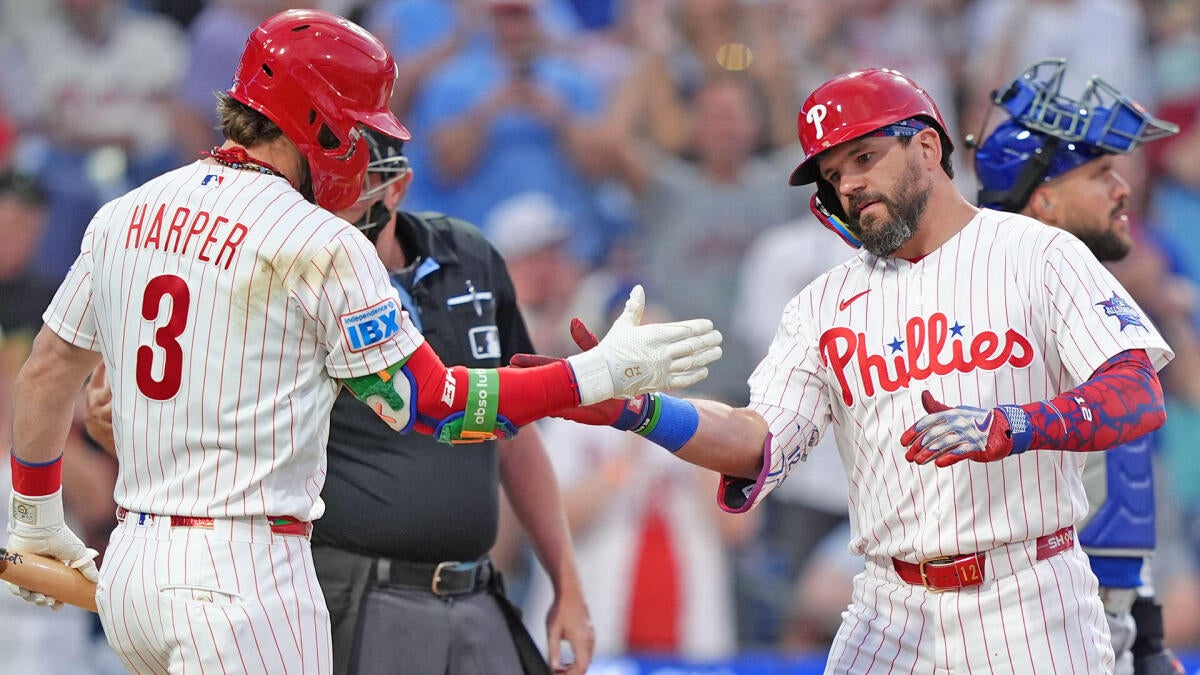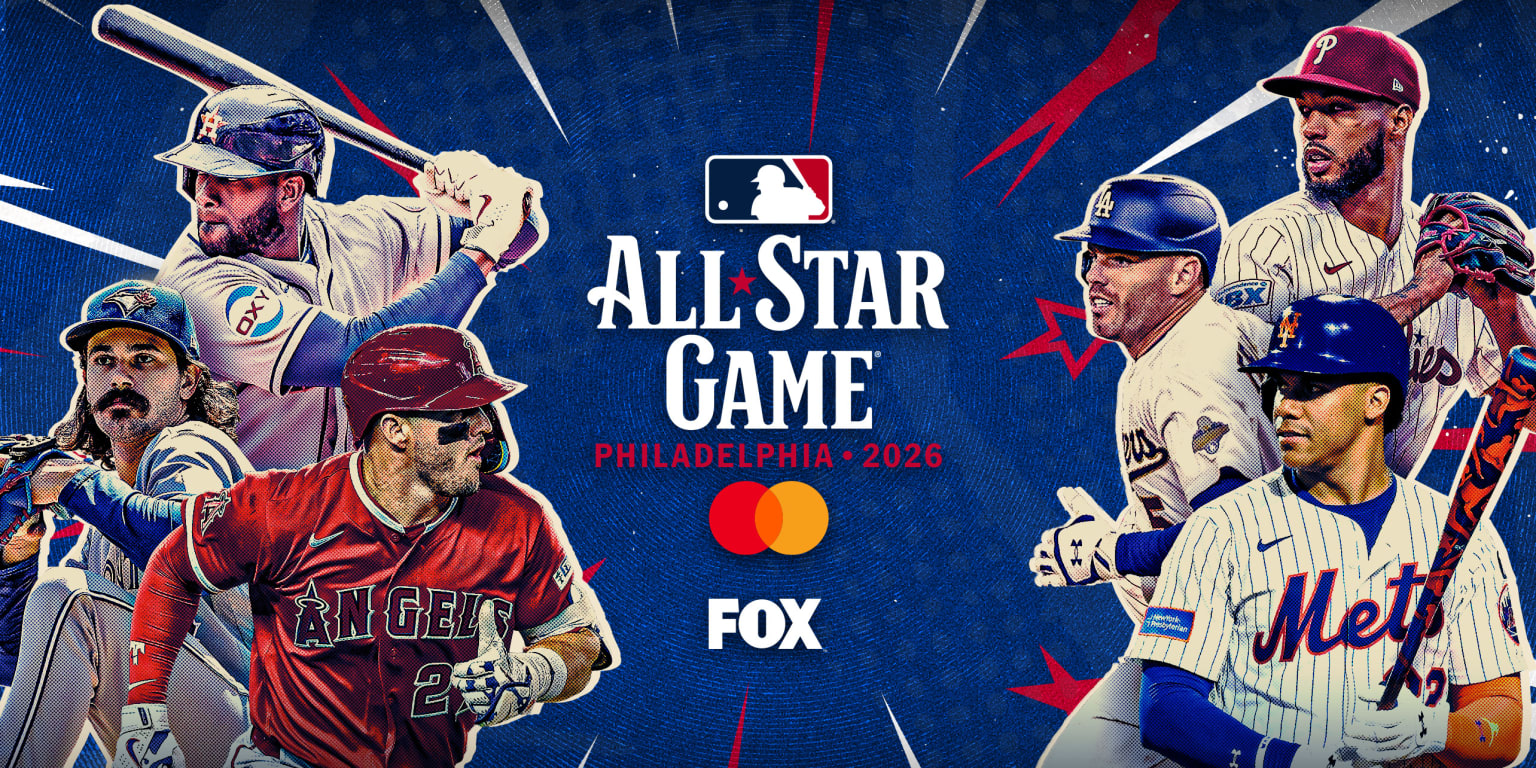
The 2026 MLB All-Star Game at Citizens Bank Park functions as a high-leverage intersection of professional sports and national iconography. Coinciding with the United States Semiquincentennial, the event serves as a strategic branding vehicle for Major League Baseball, leveraging Philadelphia’s historical significance to anchor a global marketing campaign. This alignment facilitates a narrative of institutional continuity, positioning the sport as a central pillar of the nation’s 250th-anniversary celebrations.
Tactical Pitching Dynamics and Park Factors
The pitching matchup between National League starter Cristopher Sanchez and American League starter Dylan Cease creates an immediate tactical divergence. Sanchez, one of six Philadelphia Phillies on the roster, provides the NL with home-field familiarity in a venue historically recognized for high offensive volatility. This lefty-righty dynamic, set against the hitter-favorable metrics of Citizens Bank Park, requires managers to prioritize ground-ball generation to neutralize the park’s inherent atmospheric advantages.
Operational management of the pitching staff remains complex. Managers must balance the exhibition’s entertainment value against the protection of arm assets for the regular season’s second half. The concentration of Phillies talent on the NL roster suggests a deliberate effort to maximize local engagement while streamlining defensive cohesion during the high-visibility early innings of the 8:01 p.m. ET broadcast.
Betting Market Capitalization and Liquidity
The 2026 Midsummer Classic serves as a primary customer acquisition vehicle for the digital sports betting ecosystem, with over $6,000 in available sportsbook promotions. Current market sentiment establishes the National League as a -134 favorite, with the American League positioned as a +116 underdog. These figures reflect a perceived probability advantage for the NL, likely driven by the pitching rotation’s depth and the specific roster construction of the host city’s core.
A total run line of 8.5 accounts for the stadium’s offensive reputation and the potential for high-scoring volatility. Beyond the money line, derivative markets—including MVP futures and player performance props—diversify financial exposure across the roster, indicating an unprecedented level of integration between live sports broadcasting and real-time capital movement.
Labor Economics and Demographic Shifts
A defining structural characteristic of the 2026 rosters is the acceleration of a youth-oriented labor market. With 11 participants under the age of 25, the league is showcasing a transition toward cost-controlled, high-performance assets. This demographic shift is essential for long-term brand sustainability, providing fresh marketing collateral to engage digitally native audiences within an increasingly fragmented media landscape.
In contrast, Mike Trout’s 12th All-Star appearance—as a native of nearby Millville, New Jersey—provides necessary veteran continuity. This bridge between established star power and emerging talent stabilizes the league’s institutional narrative during a period of significant rule innovation.
Structural Rule Innovations and Commercial Alignment
The potential for a tiebreaker swing-off introduces a specialized offensive showcase that replaces traditional extra-inning fatigue. This rule change alters late-game strategic deployment, as managers must preserve high-power sluggers for a home run derby-style resolution. Such innovations prioritize broadcast spectacle and player health over traditional defensive versatility.
Furthermore, the presentation by Mastercard reinforces the commercial integration of corporate sponsorship into the game’s fabric. The success of the 2026 event will be measured by its ability to synthesize these modern market demands—digital betting, youth labor prominence, and high-impact entertainment—with the traditional heritage of the American game.