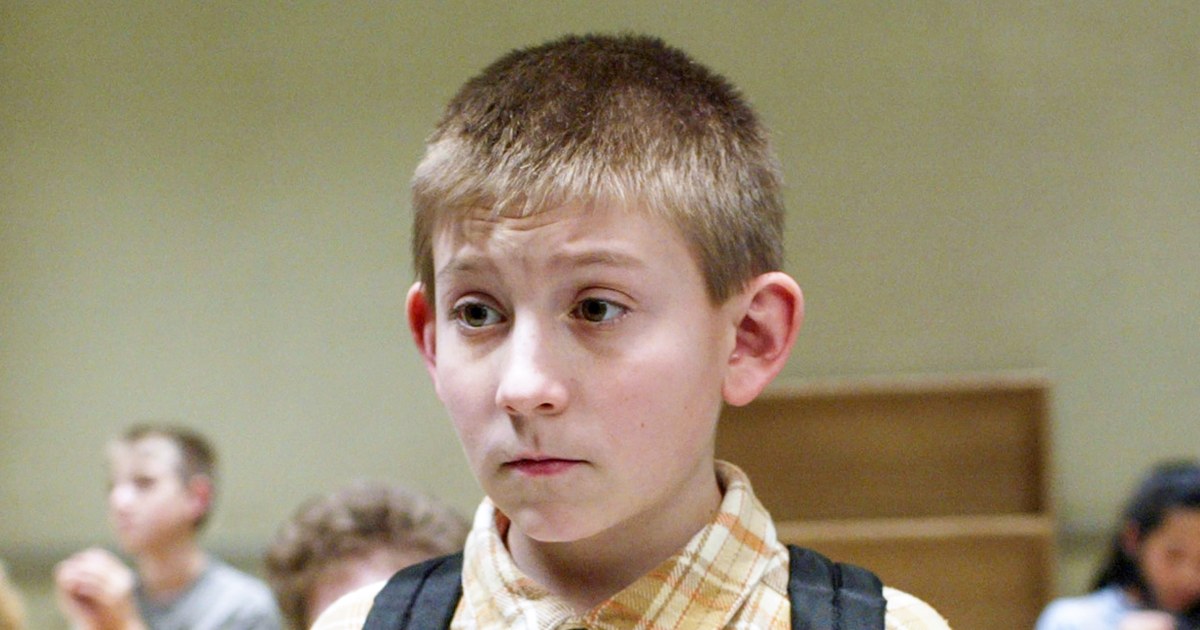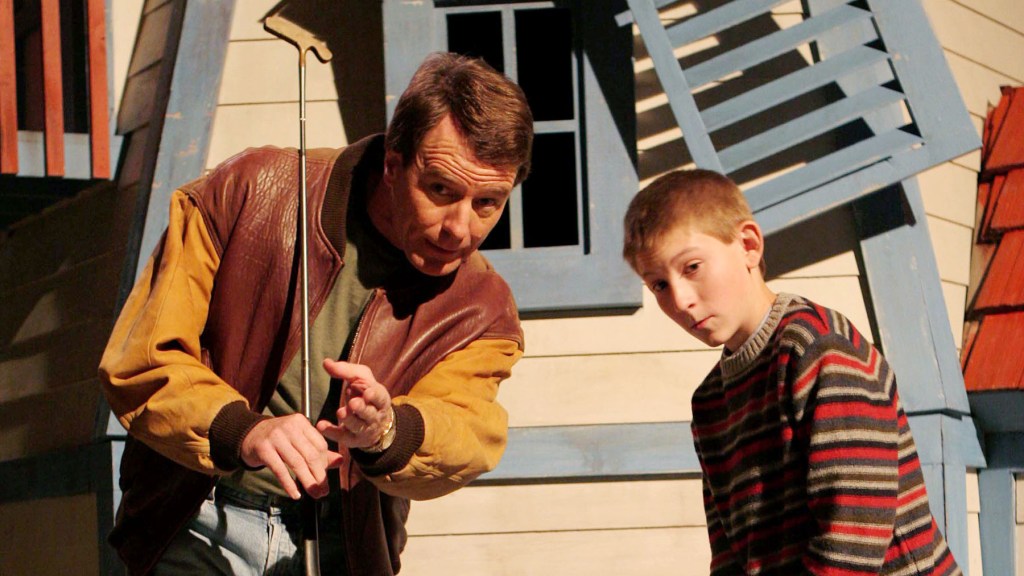
The premiere of Malcolm in the Middle: Life’s Still Unfair on Hulu represents a sophisticated exercise in brand equity extraction. While legacy revivals typically rely on the total reassembly of original ensembles to secure subscriber retention, this four-episode event tests a different hypothesis: that the structural value of a franchise’s intellectual property (IP) outweighs the presence of its full original cast. The central variable in this experiment is the absence of Erik Per Sullivan, whose refusal to reprise the role of Dewey necessitates a pivot from nostalgia-driven continuity to pragmatic narrative architecture.
The Opportunity Cost of Academic Prestige
Jane Kaczmarek’s revelation that Per Sullivan declined substantial financial compensation—colloquially described as ‘buckets of money’—highlights a rare disruption in the entertainment industry’s talent acquisition pipeline. In this instance, the actor’s valuation of cultural and intellectual capital at Harvard University, specifically his pursuit of Dickensian literary studies, exceeded the immediate liquidity offered by a high-stakes streaming contract. This decision illustrates a profound shift in personal branding, where institutional academic prestige serves as a more viable long-term asset than the volatile residuals of a legacy reboot.
Operational Risks of Legacy Recasting
Recasting the character of Dewey with Caleb Ellsworth-Clark is a high-stakes operational maneuver. In the ‘peak nostalgia’ era, audiences frequently view the original performer as the definitive incarnation of the IP. However, the production’s decision to proceed suggests a belief in the fungibility of the role within a larger ensemble dynamic. By centering the revival on a specific milestone—Hal and Lois’s 40th wedding anniversary—the writers have created a concentrated narrative framework that allows the returning stars, including Bryan Cranston and Frankie Muniz, to anchor the production while the new Dewey is integrated into the established family hierarchy.
Streaming Economics and Market Positioning
The four-episode format indicates a lean, event-driven release strategy designed to maximize impact while minimizing production overhead. For Hulu, this revival serves as a low-risk market test to gauge the contemporary viability of the brand. The inclusion of Bryan Cranston, whose career trajectory has significantly elevated since the original series concluded, provides the necessary prestige and star power to offset any friction caused by cast changes. This strategy prioritizes the parental foundation—Cranston and Kaczmarek—as the essential pillars of the brand’s authenticity.
Meta-Narrative Alignment and Cultural Impact
The revival’s subtitle, Life’s Still Unfair, provides an accidental meta-commentary on the production’s casting challenges. The inability to secure the original ‘full house’ reflects the show’s core philosophy: a refusal to provide easy resolutions or idealized outcomes. By acknowledging the passage of twenty years through both the script and the physical changes in the cast, the revival maintains the cynical, single-camera realism that defined its initial run. Ultimately, the success of this project will determine if legacy IP can survive the transition from specific star vehicles to enduring, archetype-driven narratives.