
The case of Punch-kun, a juvenile macaque at Japan’s Ichikawa City Zoo, serves as a significant case study in the operational challenges of primate husbandry following maternal rejection. In captive environments, the failure of maternal bonding triggers a high-stakes intervention where institutions must balance physiological survival with the critical need for psychological stabilization. The zoo’s deployment of a mass-market IKEA DJUNGELSKOG stuffed orangutan represents a pragmatic shift toward using consumer-grade objects to satisfy deep-seated biological imperatives when specialized zoological tools are unavailable or insufficient.
Mechanics of the Clinging Reflex and Haptic Substitution
For neonatal and juvenile primates, the clinging reflex is not merely a behavioral trait but a survival mechanism linked to cortisol regulation and emotional development. Maternal rejection creates a social and tactile vacuum that human handlers—despite intensive hand-rearing protocols—cannot fully bridge due to the 24-hour nature of the required contact. The selection of the IKEA surrogate was a strategic response to these tactile requirements; the toy’s specific limb configuration and plush texture provide the necessary surface area for the specimen to exercise its innate gripping instincts, thereby mitigating the chronic stress associated with isolation.
Economic Pragmatism and Operational Flexibility
The integration of a $19.99 retail product into a professional veterinary framework highlights a notable intersection of global supply chains and niche institutional needs. By utilizing an affordable, off-the-shelf solution, Ichikawa City Zoo demonstrated significant operational flexibility, bypassing the higher capital outlays typically associated with specialized enrichment equipment. This approach underscores a growing trend in zoo management: the repurposing of ergonomically suitable consumer goods to address complex behavioral deficits in high-risk specimens.
The Dual Impact of Global Media Amplification
The transition of this welfare strategy into a viral narrative—amplified by outlets like Mashable and late-night host Stephen Colbert—presents a double-edged sword for institutional reputation. While the coverage generated immense public empathy and positioned the zoo as a resourceful entity, it also anthropomorphized a clinical intervention. The media’s focus on the “sadness” of the macaque masks the technical difficulties of primate socialization. For the zoo, viral visibility increases visitor engagement but also invites global scrutiny of internal management decisions regarding specimen health and long-term troop integration.
Long-Term Risks and Socialization Barriers
Despite the immediate success of the surrogate in stabilizing Punch-kun’s stress levels, the long-term challenge remains social integration. Primate hierarchies are governed by complex behavioral cues and dynamic feedback—elements a static stuffed toy cannot provide. The zoo faces the ongoing risk of social retardation in the specimen, as a surrogate-reared macaque may lack the nuanced social capital required to join a troop. Consequently, the IKEA strategy is a vital temporary bridge, but the ultimate benchmark of welfare success will be the transition from an inanimate object to a functional social role within a naturalistic group.
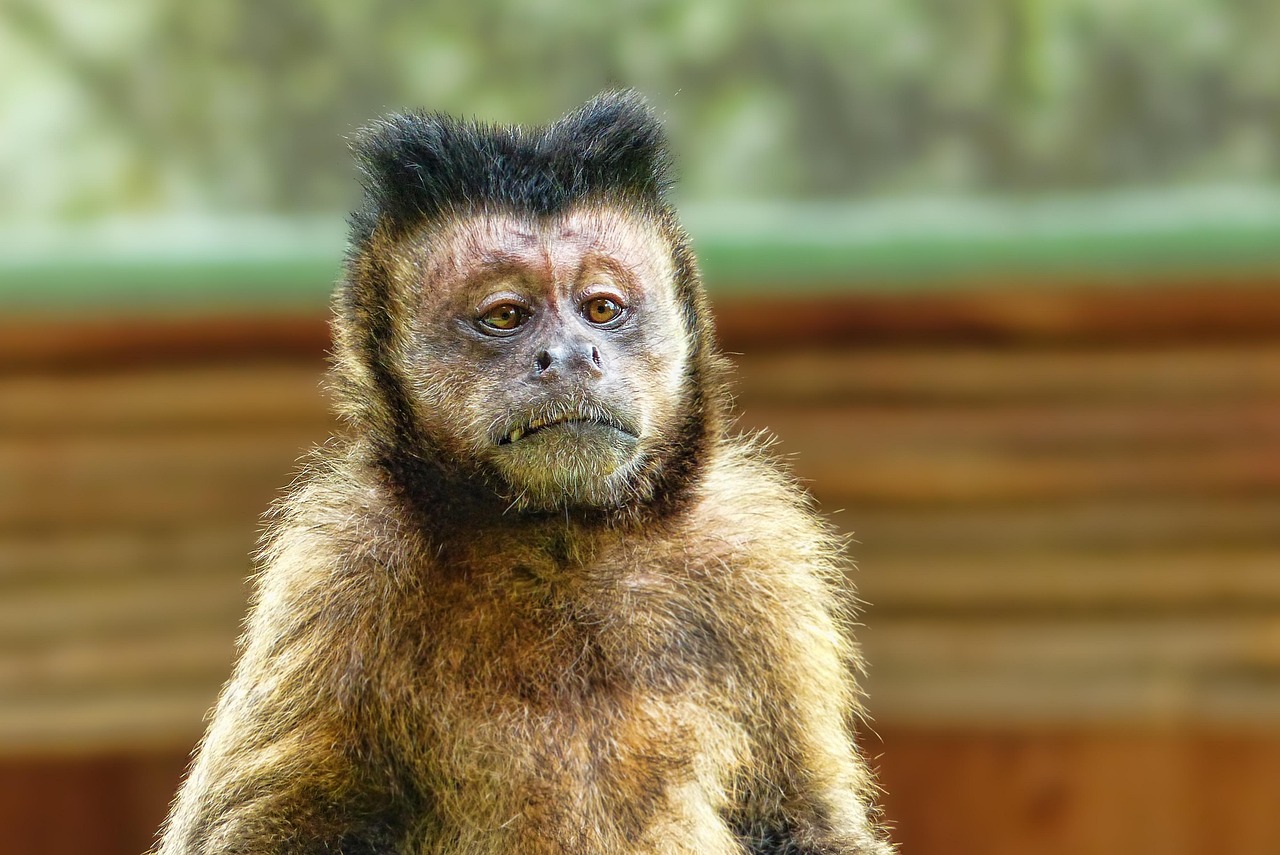
Cover photo by Schwoaze on Pixabay.