‘Good Omens’ Final Season Reduced to Single Episode Amidst Creator Controversy
The planned third and final season of Prime Video’s ‘Good Omens’ has undergone a substantial production scaleback, reconfigured from a multi-episode arc to a single 90-minute installment. This significant shift follows multiple allegations of sexual assault and misconduct against the series’ creator and showrunner, Neil Gaiman. Gaiman has publicly denied these claims, and while three lawsuits against him were dismissed by US federal judges in February 2026, his role as a credited co-writer remains pertinent to the series’ context.
This condensed format marks a stark departure from the show’s previous structure, which featured six-episode seasons for its initial two installments. The decision reflects a strategic response by production and distribution entities to navigate the reputational and operational complexities stemming from legal challenges impacting a key creative figure. Such production adjustments can influence resource allocation, marketing strategies, and the intended narrative pacing for the series’ conclusion.
Impact on Narrative Delivery and Creative Direction
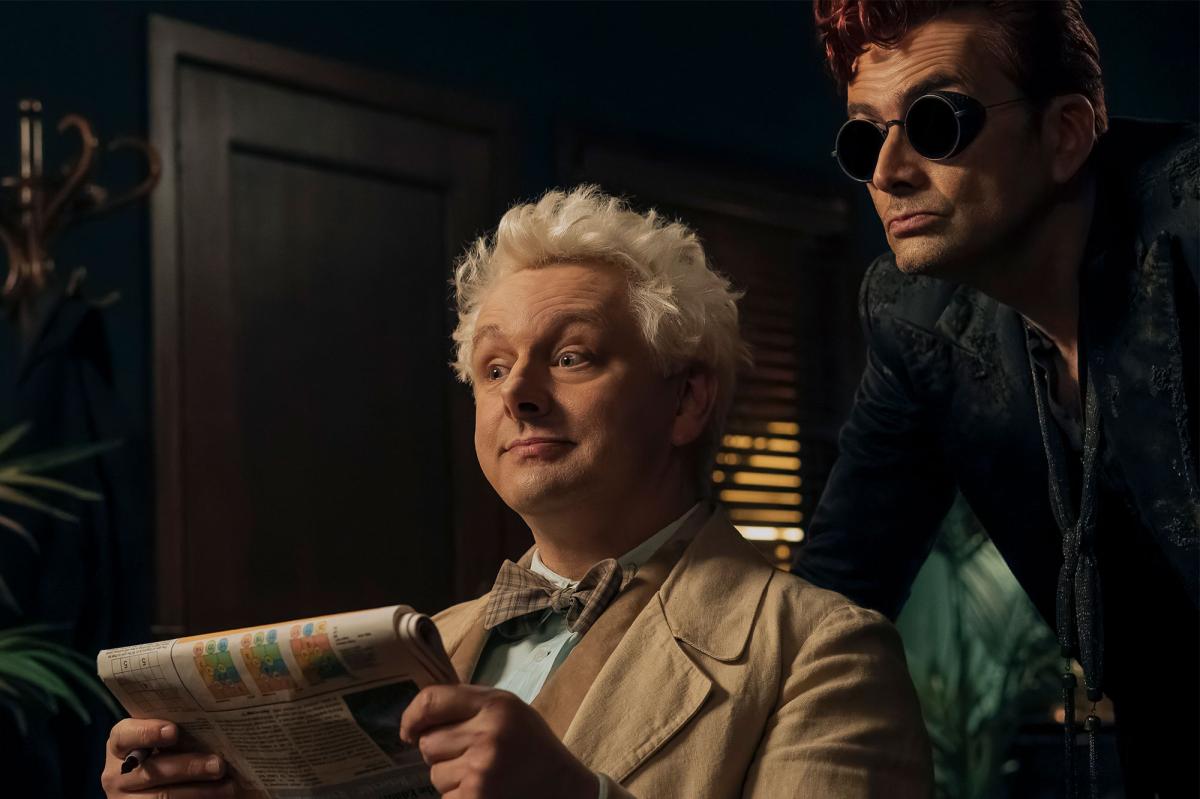
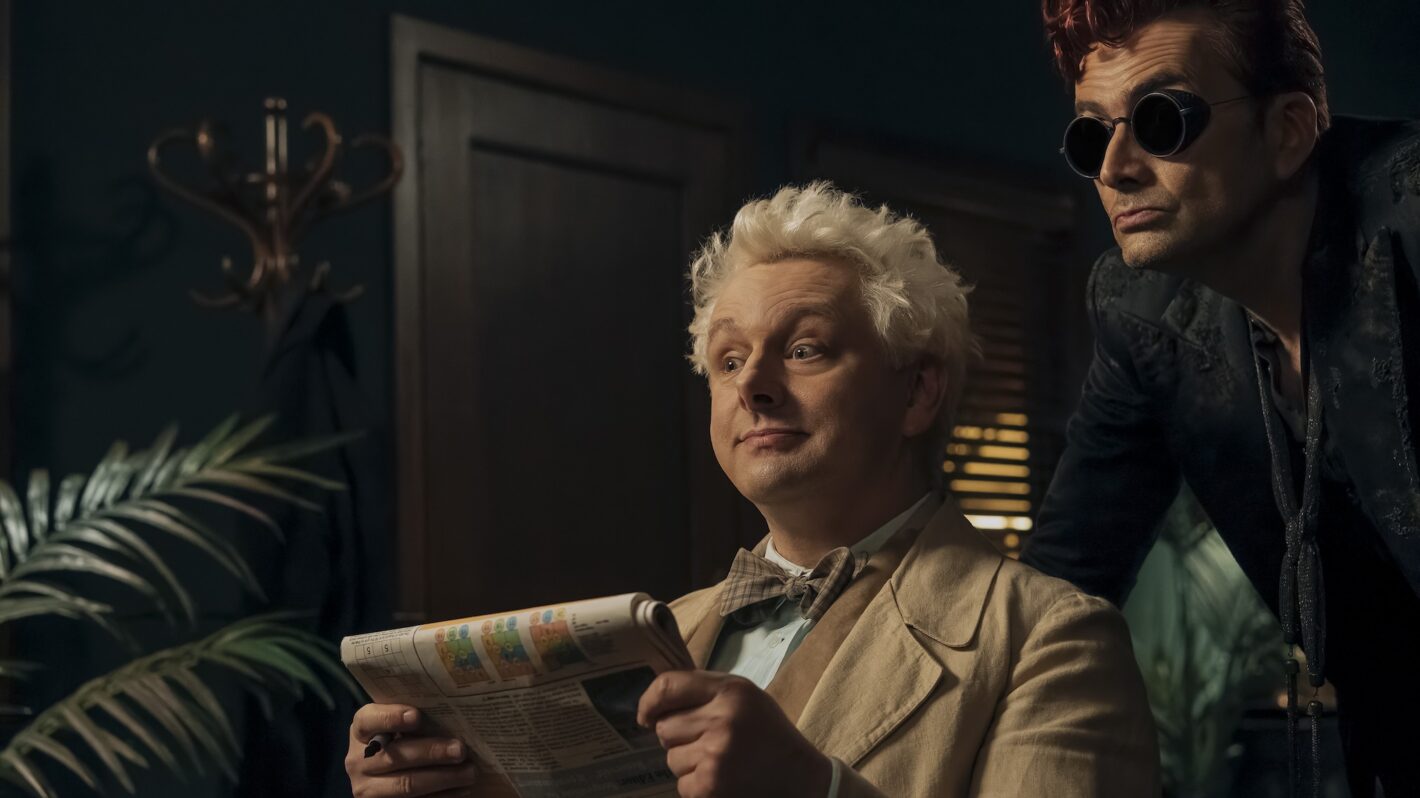
Consolidating the concluding narrative into one extended episode raises critical questions about delivering a fully realized conclusion for angel Aziraphale (Michael Sheen) and demon Crowley (David Tennant). With the absence of further source material from the original novel and the creator’s diminished direct involvement, the creative team, under director Rachel Talalay, faces the challenge of resolving intricate character dynamics and plotlines within a compressed timeframe.
Director Rachel Talalay has emphasized the thematic focus on love as the enduring element, particularly within Aziraphale and Crowley’s relationship. The finale’s narrative involves Aziraphale ascending to Heaven to oversee the Second Coming, an event that takes a perilous turn, compelling the central pair’s reunion and reconciliation. The resolution of these celestial and personal conflicts within a 90-minute runtime necessitates a highly concentrated storytelling approach, likely prioritizing key emotional beats and plot resolutions over extensive world-building or subplots.
Strategic Implications for Prime Video and Production Partners
The reduced episode count for ‘Good Omens’ Season 3 carries significant strategic implications for Prime Video and its production partners. A shorter season can lead to lower production costs and a more streamlined release schedule, potentially mitigating financial exposure and operational risks associated with ongoing controversies. However, it also presents a challenge in meeting audience expectations for a comprehensive narrative conclusion, especially for a series with a dedicated fanbase.
The series’ evolution from adapting a beloved novel to developing original storylines in Season 2 demonstrated adaptability. The current situation, however, introduces a major external factor that has directly shaped the production’s structural design. This decision-making process highlights an industry trend where reputational management and risk mitigation can directly influence content strategy and delivery, impacting the perceived value and longevity of intellectual property.
Audience Engagement and Market Reception
The ‘Good Omens’ fanbase has shown a strong affinity for the chemistry between lead actors David Tennant and Michael Sheen, a dynamic Season 2 amplified by developing their characters’ relationship into a romantic arc. The narrative’s pivot to romance, confirmed by a kiss in the Season 2 finale, generated anticipation for its continuation. The condensed format of Season 3 may affect how effectively these character arcs are explored and resolved, potentially influencing fan satisfaction and critical reception.
The series’ success has been tied to its ability to balance theological satire with genuine emotional depth, a characteristic inherited from its source material but expanded upon by the adaptation. The challenge for the remaining creative team is to maintain this balance and deliver a resonant conclusion that honors established character relationships and thematic explorations, despite altered production parameters. Market reception will likely be shaped by narrative quality and public perception of the production’s scaled-back circumstances.
Broader Industry Context and Precedents
The circumstances surrounding ‘Good Omens’ Season 3 are not unique in the entertainment industry, where creators’ careers and projects can be significantly impacted by allegations and legal proceedings. The industry has witnessed numerous instances of productions being altered, delayed, or canceled due to such factors, underscoring the evolving landscape of accountability and risk management in creative endeavors.
This case highlights the complex interplay between creative talent, intellectual property, and the corporate structures that finance and distribute content. While the dismissal of lawsuits against Neil Gaiman is a legal development, it does not erase the reputational impact or the operational adjustments made to the production. Proceeding with a shortened season reflects a cautious approach, balancing the desire to conclude a narrative with the need to manage potential fallout and stakeholder confidence.
Operational and Financial Considerations
The shift from a multi-episode season to a single 90-minute installment has direct operational and financial consequences. A shorter production cycle can yield cost savings in labor, set construction, post-production, and marketing. For a streaming service like Prime Video, which invests heavily in original content, such efficiencies can be strategically advantageous, particularly when managing projects with inherent complexities or potential reputational risks.
However, the financial calculus also involves the potential loss of revenue streams associated with a longer series, such as extended subscriber engagement and broader merchandising opportunities. The decision to shorten the season suggests that the perceived benefits of cost reduction and risk mitigation outweigh the potential gains from a more extensive final season, reflecting a pragmatic approach to content development under external pressures.
The Role of the Director and Creative Team
Director Rachel Talalay’s role in guiding the conclusion of ‘Good Omens’ is pivotal, especially given the altered production circumstances. Her insights, emphasizing love’s enduring nature and specific narrative choices for Aziraphale and Crowley, suggest a focus on an emotionally satisfying resolution. The director’s ability to steer the narrative within the constraints of a single episode will be crucial for the season’s success.
The creative team’s task is to distill the series’ core themes and character arcs into a concentrated narrative experience. This demands precise and impactful storytelling, ensuring the essential elements of the ‘Good Omens’ universe are effectively conveyed. The success of this endeavor will underscore the adaptability and skill of the production team in overcoming unforeseen challenges.
Future Trajectories for the ‘Good Omens’ Franchise
The conclusion of ‘Good Omens’ with a shortened third season marks a definitive end to the on-screen adaptation of the Pratchett and Gaiman novel and its subsequent original narrative. The franchise’s future will likely depend on the reception of this final installment and the enduring legacy of the source material. While no further seasons are indicated, the characters’ lasting popularity and the series’ thematic resonance could potentially inspire other adaptations or spin-offs, though this remains speculative.
The current circumstances, however, cast a shadow over the franchise’s immediate future and its legacy. The final season’s reception will be influenced by its production context, highlighting the complex relationship between creative output, personal conduct, and corporate decision-making in the contemporary media landscape.
Legal Dismissals and Reputational Management
The dismissal of three lawsuits against Neil Gaiman by US federal judges in February 2026 represents a significant legal development. These dismissals indicate that the legal challenges, as presented in those specific proceedings, did not meet the threshold for further judicial action in the federal court system. Gaiman’s continued co-writing credit suggests his involvement persists from a contractual and authorship perspective, notwithstanding the allegations.
This legal outcome exists alongside the reputational impact of the accusations themselves. For Prime Video and its production partners, proceeding with a scaled-back production signifies a risk mitigation strategy, acknowledging the potential influence of public perception on viewership and brand association, even after legal proceedings conclude. The industry often balances supporting creative partners with safeguarding corporate interests and public image in such situations.
Structural Pressures on Content Production
The ‘Good Omens’ Season 3 situation exemplifies the structural pressures influencing content production in the modern media ecosystem. These pressures include not only creative and financial considerations but also increased scrutiny of individuals involved in high-profile projects. Allegations of misconduct, regardless of legal resolution, can trigger significant operational adjustments, as demonstrated by the season’s reduced length.
This scenario highlights the leverage of production companies and distributors in recalibrating project scope when facing external controversies. The ability to modify production plans, such as condensing a season, allows stakeholders to manage financial exposure and reputational risk, informed by market dynamics, audience sensitivities, and corporate governance frameworks.
Distributional Effects on Stakeholders
The decision to shorten ‘Good Omens’ Season 3 directly impacts various stakeholders. For the cast and crew, a reduced episode count means a shorter employment period and potentially fewer creative contributions. For the production company, it signifies recalibrated resource allocation and potentially reduced overall expenditure, a necessary measure to protect investment.
For Prime Video, the platform distributor, the impact is multifaceted. While cost savings may occur, potential audience disappointment or a perception of an incomplete narrative could affect subscriber engagement and brand perception. The success of the condensed season will be key to its overall impact on the platform’s content portfolio and its ability to meet audience expectations for serialized storytelling.
Consequences for Narrative Archiving and Legacy
The transition of ‘Good Omens’ from a multi-season narrative to a single concluding episode affects how the series will be archived and remembered. A shorter, more concentrated finale may be perceived differently by future audiences compared to a more expansive conclusion. The narrative’s resolution will be judged on its ability to provide closure within its constrained format, potentially influencing its long-term legacy within the fantasy and television genres.
The series’ journey—from adaptation to original storylines, and now its conclusion under challenging circumstances—forms a complex chapter. The final episode’s effectiveness in tying together thematic and character arcs will be crucial in shaping its enduring appeal and its place in the canon of television adaptations.
Evolutionary Scenarios for Franchise Management
The conclusion of ‘Good Omens’ with a single episode, driven by external factors, suggests a pragmatic approach to franchise management. This decision prioritizes narrative completion over the potential for extended engagement a longer season might offer. Such a strategy consolidates the franchise’s impact and brings its story to a definitive close, managing future investment and potential risks.
Looking ahead, the ‘Good Omens’ franchise’s future may be dictated by the enduring appeal of its core characters and themes, independent of further television adaptations. The source novel remains significant, and the established on-screen chemistry between Tennant and Sheen has created a powerful cultural footprint. Future endeavors would require careful market and creative landscape assessment to determine the most viable path, potentially exploring different narrative formats or mediums.
Strategic Recalibration in Content Development
The ‘Good Omens’ situation exemplifies a broader trend of strategic recalibration in content development. As external pressures, including legal and reputational challenges, intensify, production companies and distributors are increasingly compelled to adapt. This involves adjusting production scales and re-evaluating talent relationships and risk assessment protocols.
The decision to proceed with a shortened season indicates a strategic imperative to deliver a final product while minimizing negative externalities. This approach reflects a mature understanding of the interconnectedness of creative execution, public perception, and financial viability in the contemporary media environment. The industry’s adaptability in response to such pressures will be key to its long-term sustainability.
Market Dynamics and Audience Expectations
The market dynamics for streaming content are characterized by intense competition and evolving audience expectations. In this environment, a series’ ability to deliver a satisfying conclusion is paramount, especially for established fan bases. The condensed format of ‘Good Omens’ Season 3 presents a challenge in meeting these expectations, requiring highly efficient and impactful narrative delivery.
The success of this final installment will likely be measured not only by its critical reception but also by its ability to resonate with the existing audience and provide closure. The industry will observe how this strategic decision impacts viewership, engagement, and overall brand perception for both the series and the platform, offering insights into the effectiveness of such recalibrations.
Institutional Response to Creator-Centric Controversies
The institutional response to controversies involving key creators, as seen with ‘Good Omens,’ is a critical aspect of modern media production. Companies are developing frameworks to address allegations of misconduct, balancing ethical standards with the protection of valuable intellectual property and ongoing projects. The decision to continue production, albeit modified, suggests a calculated approach to managing such situations.
This approach involves assessing legal liabilities, reputational risks, and the potential impact on audience goodwill. The industry’s evolving practices reflect a growing awareness of the societal and economic implications of creator conduct. The ‘Good Omens’ case serves as a contemporary example of how these complex institutional considerations can directly shape creative output and strategic direction.
Concluding Narrative Arc Under Duress
The final narrative arc of ‘Good Omens’ is being shaped by forces beyond its immediate creative vision. The decision to condense the season is a direct consequence of external pressures, necessitating a focused and impactful delivery of the story’s conclusion. This situation underscores the vulnerability of creative projects to the personal and legal circumstances of their key personnel.
The success of this condensed finale will hinge on its ability to provide a resonant and satisfying resolution to the complex relationships and thematic explorations that have defined the series. The narrative’s ultimate legacy will be intertwined with its production story, serving as a case study in how the entertainment industry navigates challenging circumstances to bring ambitious projects to fruition.