Strategic Risk vs. Tactical Stagnation
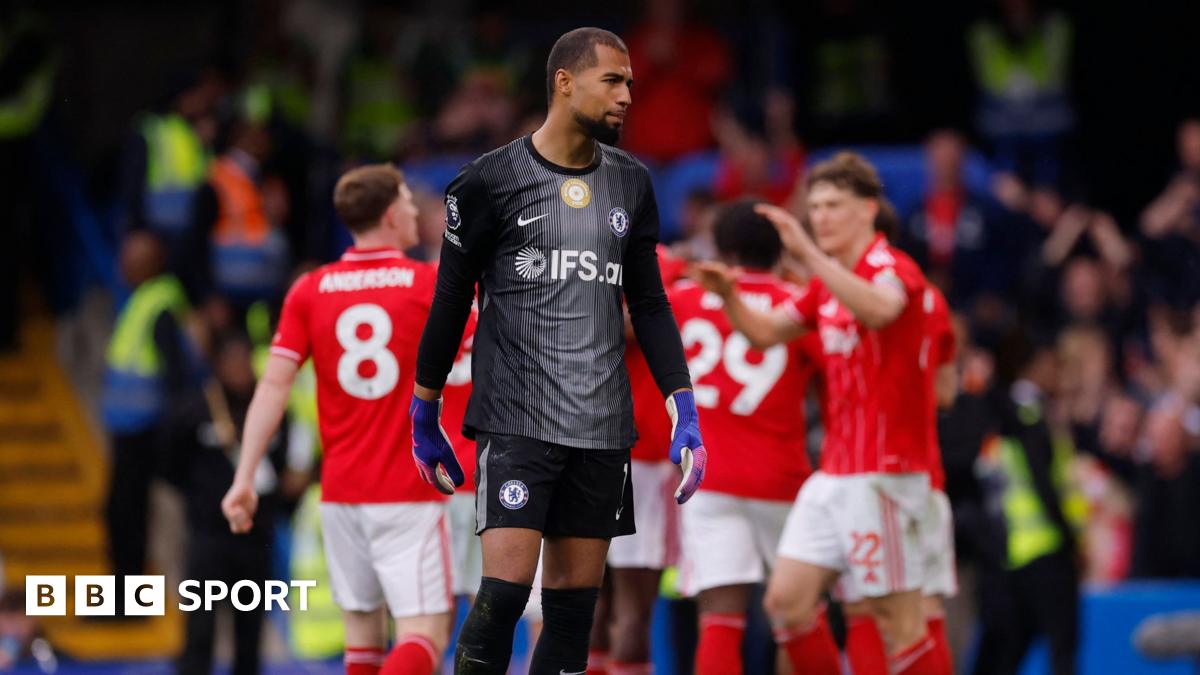
Nottingham Forest’s 3-1 victory over Chelsea serves as a definitive case study in efficient squad management. Despite implementing eight changes to preserve his core lineup for the Europa League, manager Vítor Pereira demonstrated that a well-defined tactical framework outweighs individual star power. This success validates Forest’s operational depth, effectively securing a six-point relegation buffer while simultaneously maintaining their European ambitions. Conversely, Chelsea’s inability to counter a heavily rotated side underscores a fundamental misalignment between their high-capital recruitment and on-field execution.
Defensive Structural Collapse
The match was defined by Chelsea’s catastrophic failure to manage wide-area transitions. Dilane Bakwa’s consistent exploitation of Marc Cucurella on the right flank provided Taiwo Awoniyi with the necessary service to secure a decisive brace. This was not an isolated lapse but a systemic breakdown in defensive communication and recovery positioning. The repetitive nature of these breaches suggests that Chelsea’s defensive drills and individual accountability have regressed, allowing even a secondary Forest offensive unit to dictate the tempo of the final third.
The Efficacy Gap: Clinicality and Composure
The statistical disparity in attacking output further highlights Chelsea’s institutional crisis. While Taiwo Awoniyi capitalized on defensive errors with clinical precision, Chelsea’s offensive efforts remained fragmented. Cole Palmer’s missed penalty served as a microcosm of the club’s current lack of psychological resilience. Even Joao Pedro’s late overhead kick—a moment of individual brilliance—was insufficient to mask a performance defined by inefficiency. This result marks Chelsea’s sixth consecutive league defeat, illustrating a collapse in both tactical discipline and conversion rates despite unprecedented investment in talent.
Long-Term Institutional Trajectories
The injury to 18-year-old Jesse Derry in his debut adds a somber layer to Chelsea’s developmental challenges, raising questions about the integration of youth during periods of extreme high-pressure instability. While Forest moves toward mid-table security and potential European glory, Chelsea faces a critical reputational and financial exposure. The disconnect between the club’s board-level strategy and technical performance is now a primary threat to their commercial standing. Without a radical recalibration of their recruitment and coaching philosophy, Chelsea risks permanent displacement from the Premier League’s elite tier.