
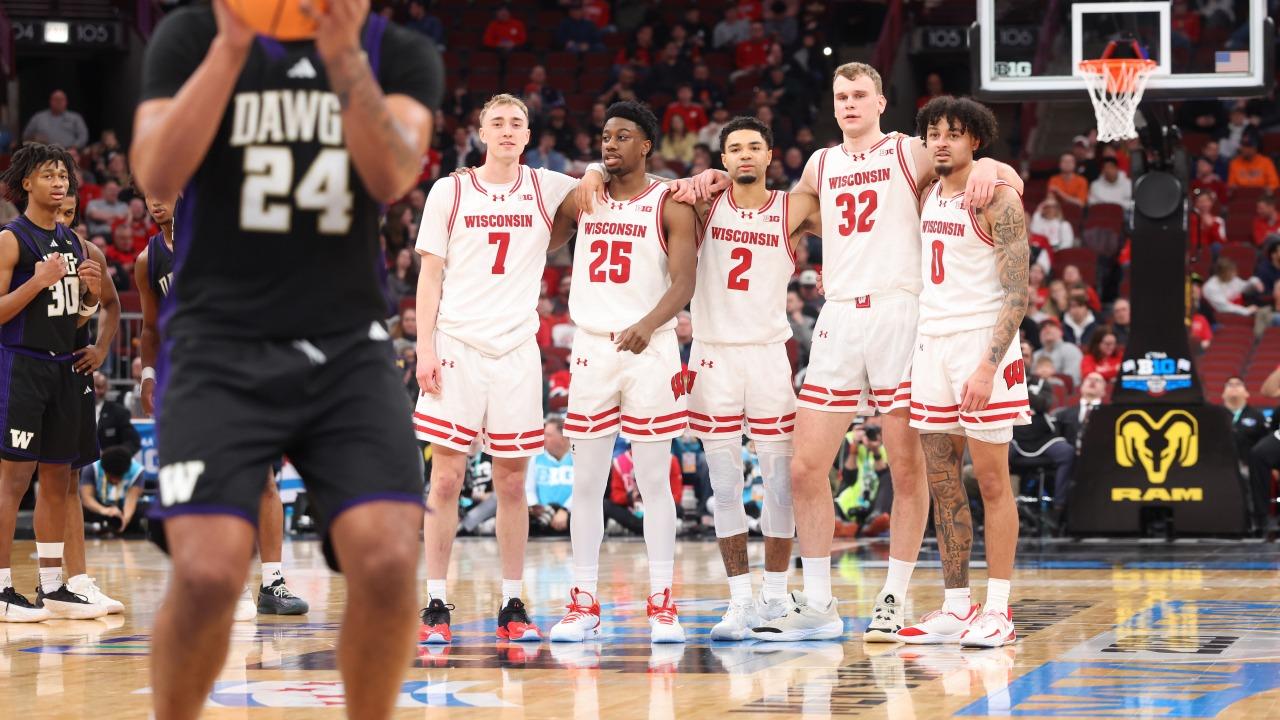
The 2026 Big Ten Tournament quarterfinals at the United Center present a high-leverage collision of tactical evolution and individual personnel advantages. As the No. 5-seeded Wisconsin Badgers challenge the No. 4-seeded Illinois Fighting Illini, the matchup serves as a case study in offensive variance versus defensive stability within a professionalized tournament environment.
Offensive Optimization: Wisconsin’s Perimeter Pivot
Wisconsin’s 85-82 third-round victory over Washington signaled a definitive departure from traditional Big Ten attrition. By converting 15 three-pointers—a single-season program record—the Badgers have transitioned to a high-variance offensive model designed to exploit spatial defensive lapses. This perimeter efficiency forces opponents to extend defensive rotations, creating high-percentage lanes for secondary playmakers.
John Blackwell remains the focal point of this system. His 34-point, 10-rebound performance against Washington highlighted a rare dual-threat capability: the power to secure defensive glass and the speed to initiate transition opportunities before an opponent’s half-court defense can stabilize. For Illinois, neutralizing Blackwell requires a disciplined containment strategy that doesn’t compromise their interior rim protection.
The Playmaking Core: Boyd’s Operational Control
The synergy between Blackwell and Nick Boyd (23 points, 9 assists) provides Wisconsin with multiple offensive conduits. Boyd’s sophisticated navigation of pick-and-roll sequences has increasingly exposed defensive over-rotations. His ability to maintain a high assist-to-turnover ratio under tournament pressure is essential for Wisconsin to offset the fatigue of back-to-back game days.
Defensive Architecture: Containing Keaton Wagler
Illinois counters with a primary strategic asset in Keaton Wagler. The Big Ten Freshman of the Year’s previous 34-point performance against Wisconsin demonstrated his ability to dismantle defensive structures through sheer individual leverage. At 6-foot-6, Wagler creates personnel mismatches against smaller guards, allowing him to shoot over contests or drive with physical advantage.
Greg Gard’s defensive challenge lies in a complex calculus: how to limit Wagler’s touches without triggering help-side rotations that leave other Illini shooters unattended. This ‘information asymmetry’ is compounded by Gard’s tactical secrecy regarding defensive adjustments, forcing Brad Underwood’s staff to prepare for multiple defensive looks in real-time.
Logistical and Institutional Implications
The 29th Big Ten Tournament serves as a critical revenue and branding engine. Held at Chicago’s United Center, the event maximizes commercial visibility and institutional prestige, impacting everything from recruitment to NCAA Tournament seeding. For Illinois, a victory validates their top-four regular-season status; for Wisconsin, a win provides a high-value data point to elevate their national bracket position.
Operational readiness will likely dictate the outcome. Wisconsin must leverage their ‘rhythm advantage’ from the previous round while mitigating the physical toll on their starters. Conversely, Illinois must overcome the ‘bye-week rust’ to match the game-speed intensity Wisconsin established on Thursday. The team that manages these physiological demands while executing late-game tactical shifts will likely secure the semifinal berth.
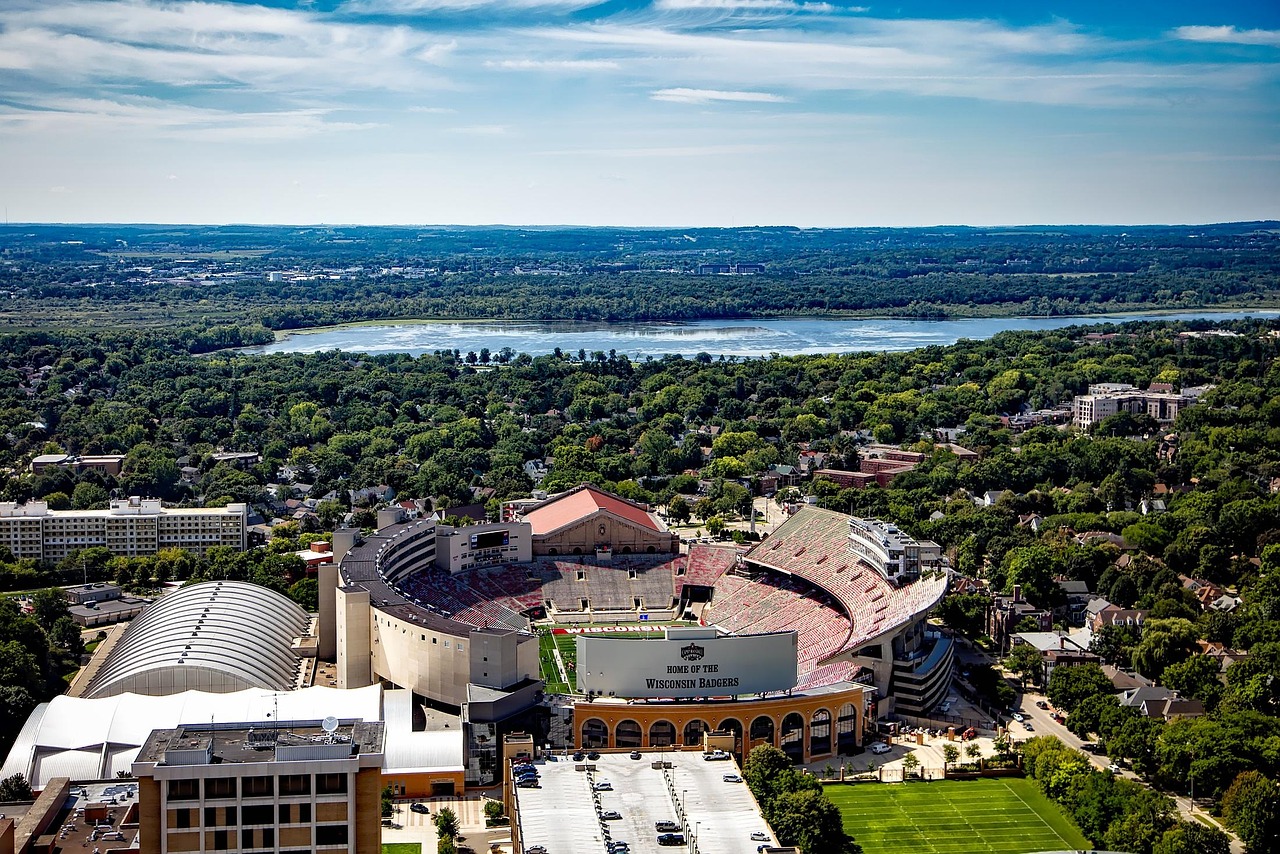
Photo by 12019 on Pixabay.