The Convergence of Populist Sovereignty and Ecclesiastical Resistance
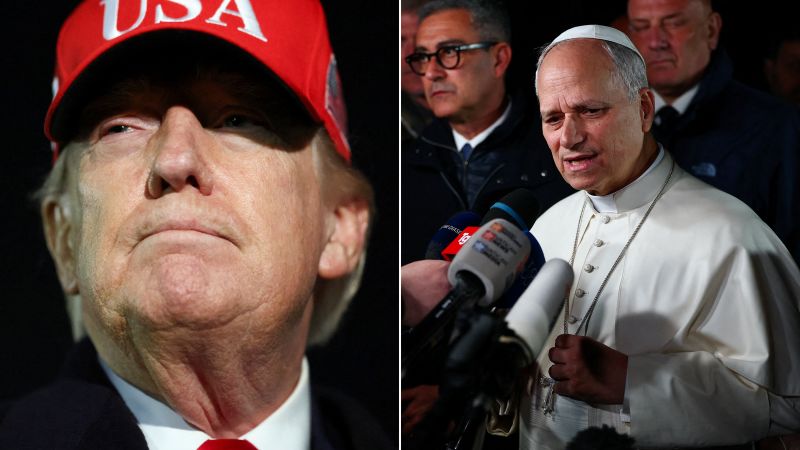
The escalating friction between President Donald Trump and Pope Leo XIV signifies a profound departure from traditional diplomatic norms between the United States and the Holy See. This conflict transcends mere disagreement; it represents a systemic collision between the ‘America First’ doctrine of unilateral realism and the Vatican’s traditional commitment to multilateralism and universal peace. The tension is currently anchored in the administration’s military operations in Iran and interventionist strategies in Venezuela.
By characterizing the first American-born pontiff as ‘weak’ on foreign policy and domestic security, the President is attempting to deconstruct the Pope’s moral standing within a partisan framework. This rhetorical strategy serves to domesticate the papacy, framing an international religious leader as an agent of the ‘radical left’ to mitigate his influence over the American Catholic electorate.
The Iranian Theater: Military Objectives vs. Moral Absolutism
The primary catalyst for this dispute is the ongoing U.S.-led conflict in Iran. Pope Leo XIV has denounced the war as being fueled by a ‘delusion of omnipotence,’ a direct critique of American hegemonic reach. In response, the administration has framed the Pope’s call for immediate de-escalation as a strategic endorsement of a nuclear-armed Tehran. This binary framing eliminates the middle ground traditionally occupied by Vatican diplomacy, forcing a choice between the administration’s securitization agenda and the Holy See’s humanitarian advocacy.
Venezuela and the Securitization of Humanitarian Issues
The rift has expanded into the Western Hemisphere, where the administration justifies its actions in Venezuela through the lens of national defense and anti-crime measures. President Trump has linked the Venezuelan intervention to domestic concerns regarding narcotics and border security, effectively transforming a foreign policy issue into a matter of domestic survival. The Pope’s condemnation of these military actions is presented by the White House as a disregard for American sovereignty, further entrenching the narrative that the Vatican is out of step with the security needs of the populace.
Institutional Leverage and the Future of the Holy See
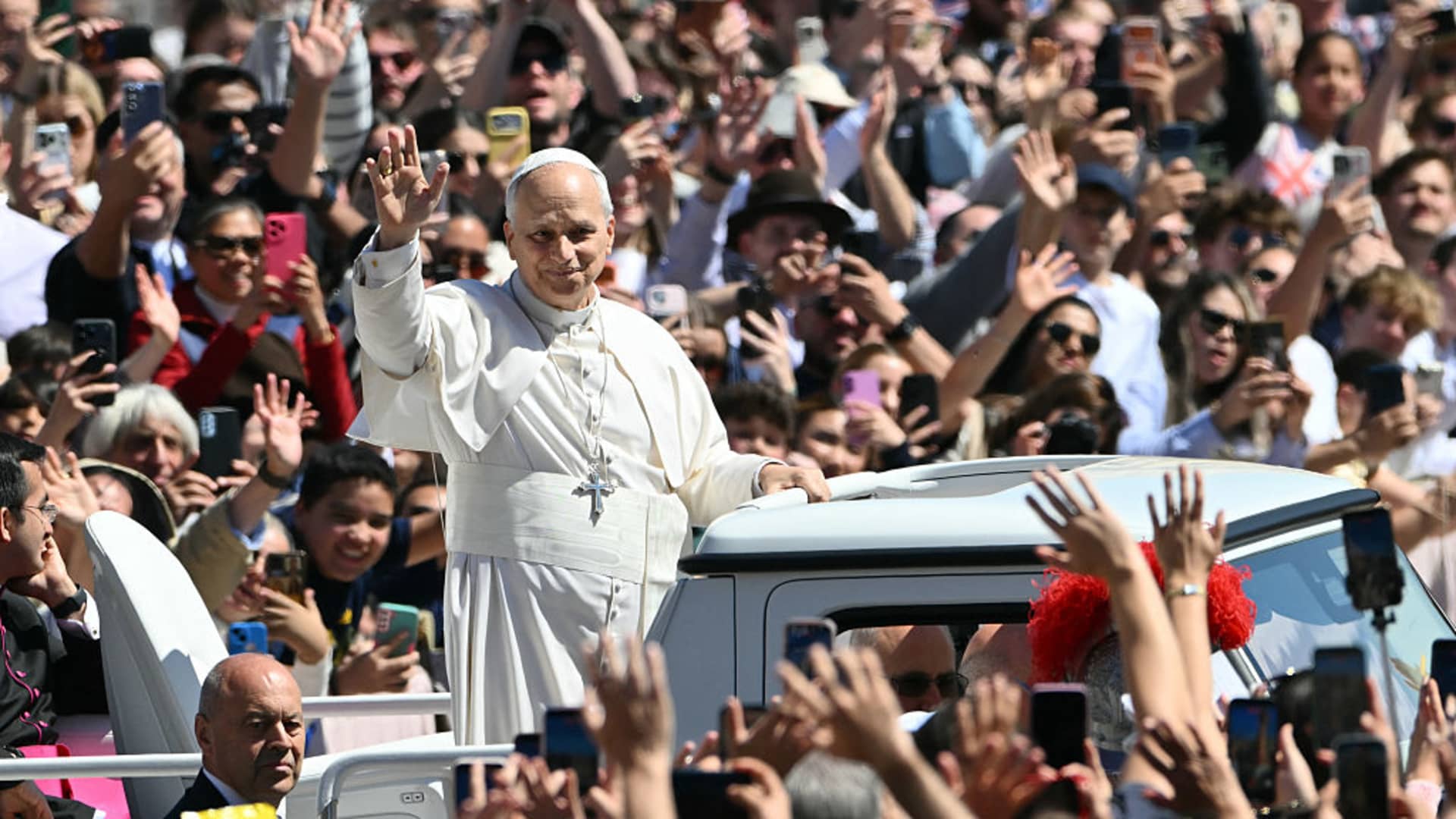
The election of Pope Leo XIV was widely interpreted as an institutional attempt by the Church to gain leverage within the American political sphere. However, the President’s dismissal of the Pope’s selection as a ‘calculated surprise’ suggests that this proximity has only provided a larger target for populist critique. The shared nationality of the leaders has not fostered cooperation but has instead created a platform for personalized political confrontation.
Ultimately, this feud risks marginalizing the Vatican as a neutral mediator in global conflicts. If the Holy See is successfully characterized as a partisan actor, its capacity to facilitate peace through back-channel diplomacy may be permanently diminished, marking a significant shift in the international liberal order.