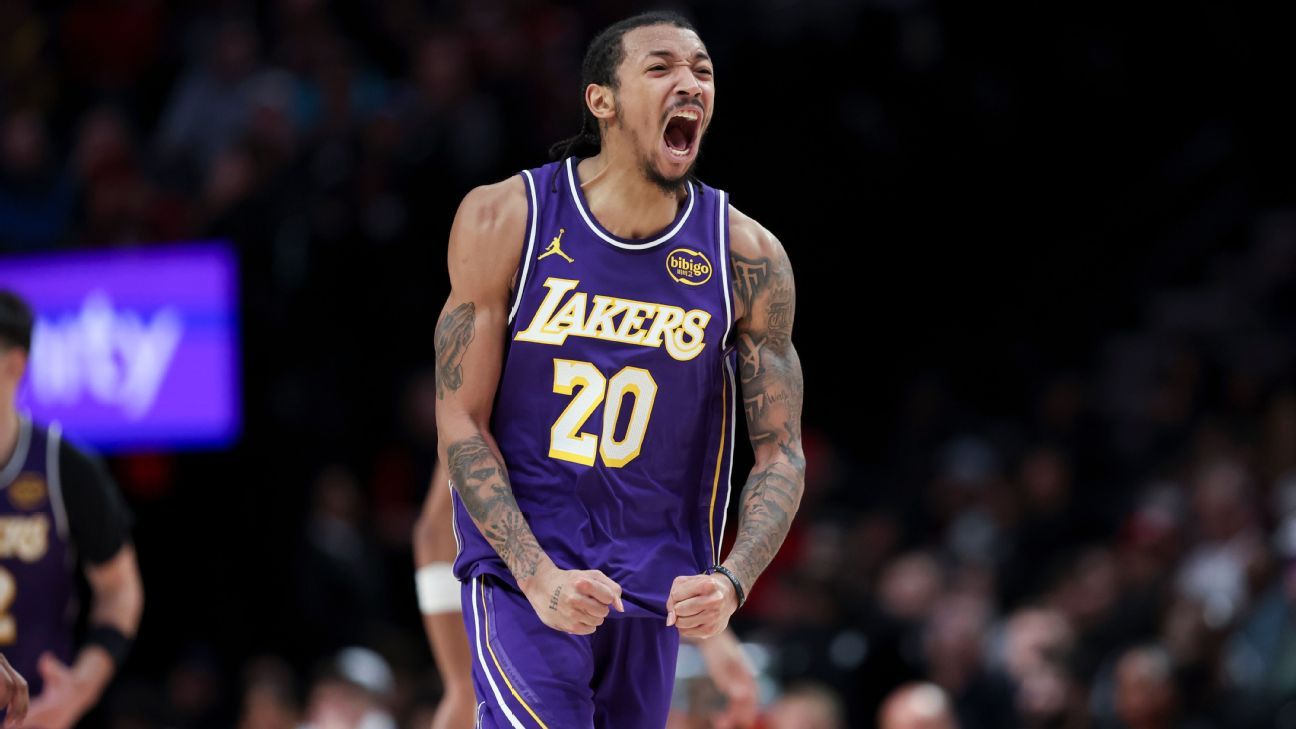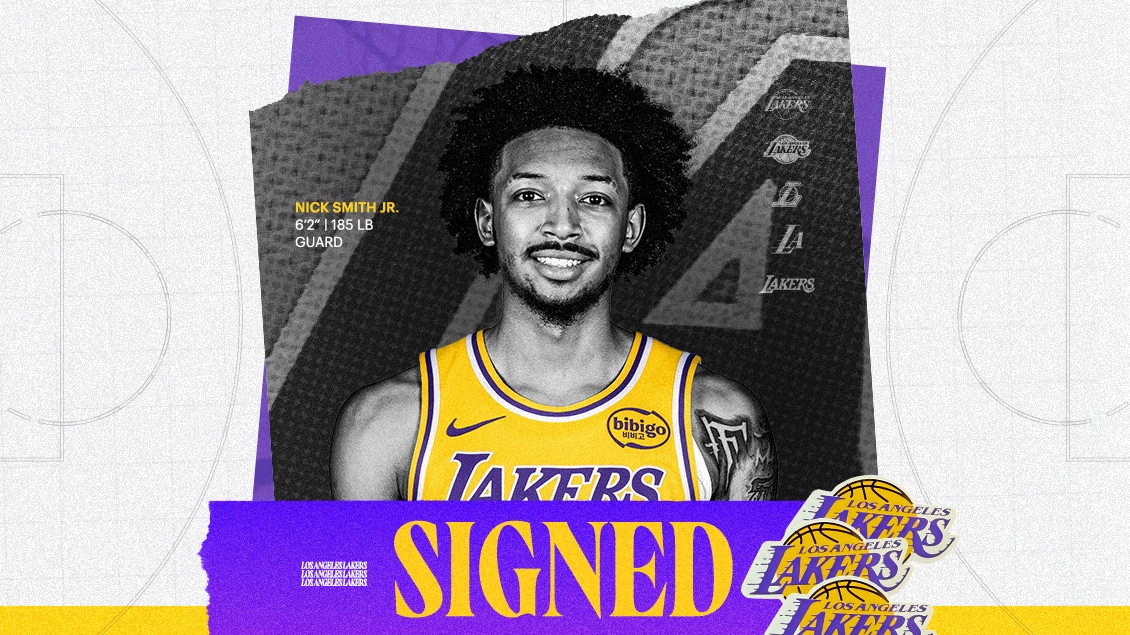
The Los Angeles Lakers have executed a strategic roster recalibration, converting guard Nick Smith Jr. from a two-way agreement to a standard multi-year NBA contract. Confirmed by Lucas Newton of Klutch Sports, this move elevates Smith Jr. to a full roster spot, removing the games-played limitations of his previous deal as the franchise enters a high-leverage postseason cycle.
This contractual conversion is an operational necessity triggered by significant backcourt attrition. With primary initiators Luka Doncic and Austin Reaves currently sidelined, the Lakers faced a structural deficit in perimeter playmaking. By promoting Smith Jr., the front office has effectively stabilized a rotation that was dangerously thin on ball-handling and spacing gravity.
Head coach JJ Redick framed the decision as a resolution of positional scarcity. While the internal debate weighed the frontcourt utility of Drew Timme against backcourt security, the coaching staff prioritized perimeter versatility. In the current injury climate, the ability to maintain offensive flow through guard play took precedence over secondary interior depth.
Statistical Efficiency and Tactical Gravity
Smith Jr. offers a specific statistical profile that addresses the Lakers’ immediate needs. Over 29 appearances, he has maintained a 40% shooting average from beyond the arc. While his 12.3 minutes per game sample size is relatively small, his efficiency suggests scalability; in a playoff environment where defenses collapse on the paint, a high-percentage perimeter threat is a non-negotiable asset for floor spacing.
Though his raw production—six points and one assist per game—appears modest, the efficiency of his output provides a high ceiling for increased usage. The multi-year structure of the deal indicates that the organization views Smith Jr. as a cost-controlled asset with developmental upside beyond the immediate injury crisis.
Seeding Volatility and Competitive Leverage
The Lakers currently occupy the No. 4 seed in the Western Conference. With a regular-season finale against the Utah Jazz looming, the team maintains a path to the No. 3 seed, contingent on a Denver Nuggets loss. This volatility places immense pressure on the secondary rotation to perform. Securing Smith Jr. ensures the team has a playoff-eligible contributor who is already integrated into Redick’s tactical schemes.
Redick has utilized psychological frameworks from elite golf to manage this late-season turbulence, drawing parallels between the Lakers’ resilience and Rory McIlroy’s Masters recovery. This emphasis on mental fortitude—bolstered by a locker room culture that sees LeBron James embracing golf at age 40—serves as the foundation for the team’s attempt to navigate a depleted roster during the season’s most critical juncture.
Institutional Strategy and Postseason Readiness
From a cap management perspective, the two-year commitment provides the Lakers with administrative continuity and roster stability. It validates Smith Jr.’s professional readiness and incentivizes high-leverage performance during the playoffs. By finalizing this transition now, the front office has mitigated the risk of administrative hurdles, ensuring Smith Jr. is fully available to absorb the minutes vacated by the team’s injured stars.
As the Lakers head into the postseason, the success of this maneuver hinges on Smith Jr.’s ability to replicate his 40% perimeter efficiency under intensified defensive pressure. In a league where spacing is the primary currency of success, this conversion represents a calculated bet on young, efficient talent to sustain championship aspirations amidst personnel losses.