
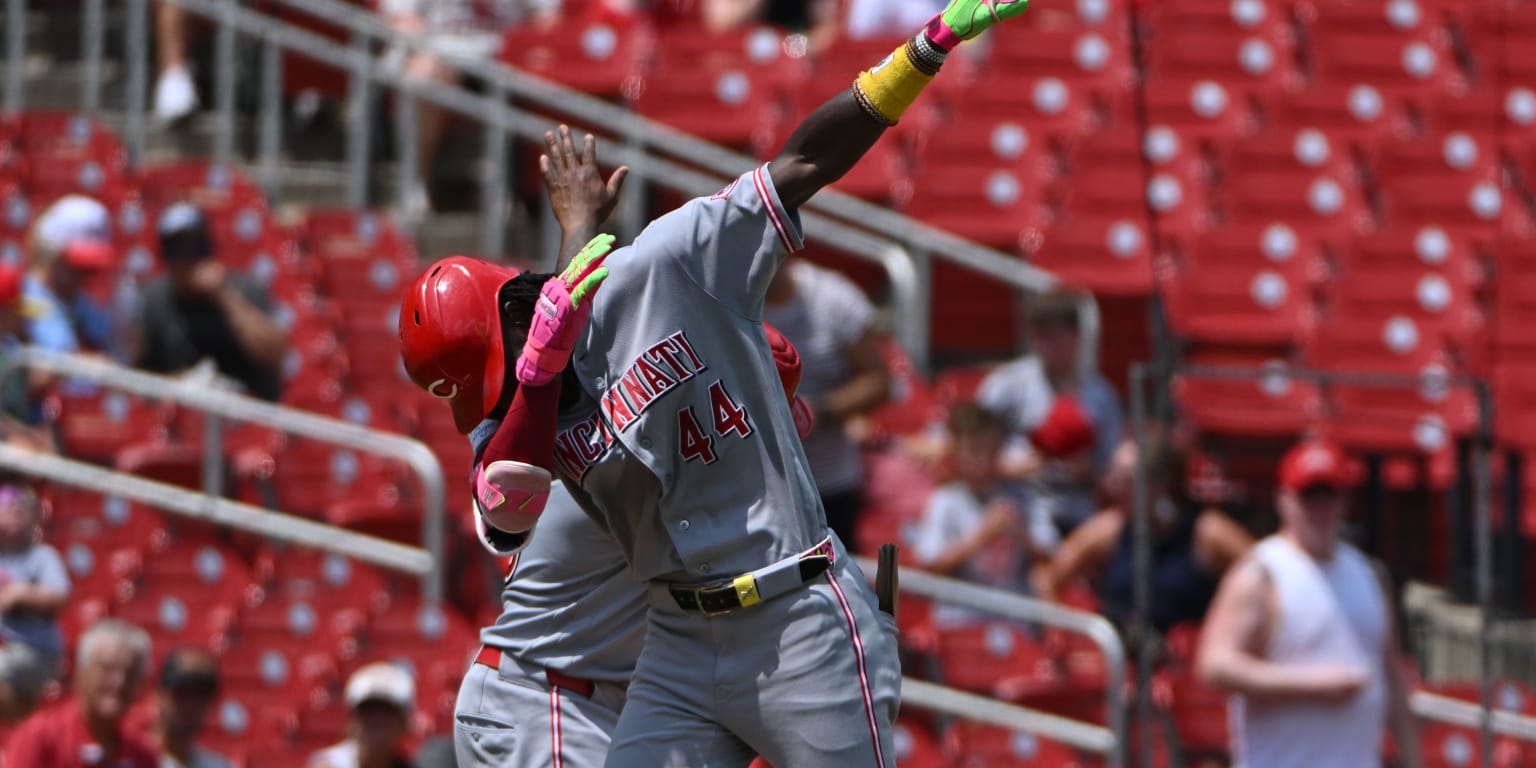
The Cleveland Guardians and Cincinnati Reds are set to commence their three-game Ohio Cup series, a matchup that underscores the divergent strategic trajectories of both franchises midway through the Major League Baseball season. Scheduled to begin Monday night at 7:10 p.m. ET exclusively on ESPN, the series pits a Guardians team battling for divisional relevance against a Reds club navigating the critical juncture of the upcoming Trade Deadline.
Guardians’ Offensive Struggles Amidst Divisional Race
Cleveland enters the series with a 54-53 record, occupying second place in the American League Central and embroiled in a tight four-team divisional race. The club is experiencing a significant downturn, marked by a five-game losing streak and a persistent scarcity of runs. Averaging just 3.93 runs per game with a .680 OPS, their offense ranks among baseball’s least potent. This deficiency was starkly evident in consecutive shutout losses to the Tampa Bay Rays, highlighting a critical operational challenge impacting their competitive positioning.
The return of José Ramírez from a left hamate fracture on July 22 offers a potential strategic pivot, though his immediate on-field impact has been muted. His 3-for-16 performance in his first four games back suggests a recalibration period is necessary. This directly impacts the club’s immediate offensive leverage and its capacity to convert divisional opportunities into tangible gains. The Guardians’ performance trajectory is thus intrinsically linked to Ramírez’s ability to regain his offensive rhythm, a factor heavily influencing their capital allocation and player acquisition strategies leading up to the deadline.
Reds’ Resurgence Meets Trade Deadline Vulnerability
Conversely, the Cincinnati Reds, holding a 49-55 record and sitting fifth in the National League Central, are demonstrating resilience. They have won three consecutive series since the All-Star break, all achieved on the road. This recent success, including a dramatic 10th-inning 5-3 victory over the St. Louis Cardinals, showcases an emergent competitive spirit. However, this positive momentum occurs against the backdrop of significant anticipation regarding potential major player divestments at the upcoming Trade Deadline, creating a dual narrative of current performance versus future strategic repositioning.
The Reds’ ability to secure series wins despite their divisional standing and the looming prospect of player trades suggests a strategic balancing act. The performance of players like Sal Stewart indicates a developing talent pool that could influence future roster construction or serve as valuable trade assets. The club’s recent road success demonstrates an operational capability to perform under pressure, a factor that could elevate the market value for any players they opt to trade.
Ohio Cup: A Microcosm of MLB’s Strategic Landscape
The Ohio Cup series serves as a microcosm of broader Major League Baseball dynamics, particularly concerning team valuation and market positioning. For the Guardians, the series represents an immediate opportunity to arrest their losing streak and bolster their divisional standing, thereby enhancing their perceived value and potential for post-season contention. Their performance will directly influence any capital they might consider deploying for reinforcements or the strategic decisions around retaining existing talent.
For the Reds, the series is a platform to showcase their current competitive viability and the potential of their emerging talent. This could either solidify their present roster or enhance the marketability of their players for trade. The outcome of these games has downstream implications for player contracts, future scouting investments, and the overall competitive balance within their division and the league. The ESPN broadcast further amplifies the exposure of these narratives, influencing fan engagement and corporate sponsorship valuations.
Performance Leverage and Capital Allocation at the Deadline
The performance of key players like José Ramírez for the Guardians, and the continued contributions from emerging Reds like Sal Stewart, directly impacts capital allocation decisions. For Cleveland, Ramírez’s return to form is critical to justifying any significant investment in offensive upgrades. His performance leverage dictates whether the club prioritizes internal development or external acquisitions to address their scoring woes, influencing their financial outlays and risk assessment.
In Cincinnati, the performance of their current roster, particularly those on expiring contracts or with high trade value, will determine the return on investment from potential trades. The club’s recent series wins, while positive, must be weighed against the long-term strategic imperative of rebuilding or retooling. This dynamic forces a complex evaluation of immediate on-field results against the potential for future capital generation through player movement, a core tension in MLB’s competitive ecosystem.
Media Exposure and Stakeholder Impact
The exclusive broadcast of the Ohio Cup series on ESPN provides significant media exposure for both franchises, impacting their brand visibility and fan engagement metrics. This exposure is particularly critical for the Reds, as it can amplify the perceived value of their players to a national audience, potentially leading to more competitive trade offers. For the Guardians, consistent visibility during a critical divisional stretch reinforces their narrative as contenders, influencing fan attendance and merchandise sales.
The financial implications for ESPN are also significant, as the series features two clubs with distinct storylines that can drive viewership. The performance and narrative arcs of these teams directly affect advertising revenue and subscription numbers. Furthermore, the performance of individual players, especially those nearing free agency or with significant contract clauses, is under intense scrutiny, impacting their future earning potential and the financial projections of their respective organizations.
Structural Implications for Team Development and League Dynamics
The contrasting situations of the Guardians and Reds highlight fundamental structural differences in how MLB franchises approach team development and competitive cycles. Cleveland’s focus on maintaining divisional competitiveness suggests a strategy of sustained investment and roster optimization, aiming for consistent playoff berths. This approach necessitates a careful balance between player development, free-agent acquisitions, and strategic trades to maintain a competitive edge year after year.
Cincinnati’s position exemplifies a franchise at a potential inflection point, where recent performance might either accelerate a rebuild or signal readiness for a more aggressive competitive phase. Their ability to win series despite uncertainty around the Trade Deadline indicates a robust player development system and a coaching staff capable of maximizing current resources. This structural flexibility is crucial for navigating the cyclical nature of team performance and adapting to evolving market conditions and competitive pressures within the league.
Future Performance Leverage and Strategic Capital Deployment
The performance of José Ramírez in the coming weeks will be a critical determinant of the Guardians’ future performance leverage. If he returns to his elite form, Cleveland’s capacity to compete in a tight division is significantly enhanced, potentially shifting their strategic capital deployment from offensive upgrades to bolstering their pitching staff or bullpen. Conversely, a prolonged slump could force a more conservative approach, prioritizing player development and long-term asset management.
For the Reds, the strategic capital deployment hinges on the decisions made at the Trade Deadline. Their recent success could either embolden them to retain key pieces and pursue a surprise playoff push, or it could increase the market value of their assets, leading to a significant influx of prospects and financial flexibility. The interplay between current performance and future strategic objectives creates a complex decision-making environment for the club’s front office, impacting their long-term competitive trajectory and stakeholder confidence.
Market Positioning and Institutional Valuation
The Ohio Cup series, broadcast nationally, contributes to the ongoing market positioning of both the Guardians and the Reds within the broader MLB landscape. For Cleveland, consistent performance and a strong divisional showing solidify their status as a competitive franchise, potentially attracting higher valuations for broadcast rights, sponsorships, and fan engagement initiatives. Their ability to consistently contend influences their standing among major league clubs and their appeal to potential investors or partners.
Cincinnati’s recent surge, coupled with the inherent drama of potential trades, generates significant media attention that can influence their institutional valuation. A strong finish to the season, even without a playoff berth, could enhance the perceived value of their franchise and their player development pipeline. This narrative impact is crucial for shaping public perception and attracting the necessary capital for future team development and infrastructure improvements, underscoring the interconnectedness of on-field success and off-field financial health.
Downstream Effects on Player Development and Scouting
The performance of emerging players like Sal Stewart in high-stakes games provides invaluable data for scouting departments and player development programs across the league. Scouts will meticulously analyze these performances to assess talent potential and project future impact, influencing draft strategies and international signing priorities. The success of such players validates specific development methodologies and can lead to shifts in organizational philosophy regarding talent acquisition and nurturing.
For the Guardians, the ongoing evaluation of José Ramírez’s return from injury offers a case study in player rehabilitation and performance recovery. The insights gained from his progress will inform how other teams manage their own injured stars and the financial implications tied to their recovery timelines. This continuous cycle of performance evaluation and strategic adaptation is fundamental to maintaining a competitive advantage in the talent-driven environment of professional baseball.
Competitive Ecosystem and League-Wide Implications
The strategic decisions made by the Guardians and Reds, particularly concerning player acquisitions and divestments at the Trade Deadline, have ripple effects throughout the competitive ecosystem of Major League Baseball. If Cleveland opts for significant upgrades, it signals a commitment to immediate contention, potentially influencing the strategies of other divisional rivals. Conversely, if Cincinnati becomes a seller, it can provide opportunities for other teams to acquire talent, altering the competitive balance in their league and potentially impacting playoff races across the board.
The outcomes of series like the Ohio Cup contribute to the broader narrative of the MLB season, influencing fan interest, media coverage, and ultimately, the financial health of the league. The performance of teams and individual players under pressure, especially during critical junctures like the Trade Deadline, shapes perceptions of organizational management and strategic acumen. This continuous feedback loop between on-field action and off-field decision-making is integral to the sustained dynamism and commercial viability of professional baseball.
Strategic Imperatives and Future Outlook
The Guardians face a clear strategic imperative to leverage their current divisional standing and capitalize on any offensive resurgence, particularly with José Ramírez’s return. Their ability to navigate this period successfully will define their competitive posture for the remainder of the season and influence their long-term roster construction. Their performance here is a direct test of their strategic planning and operational execution in a high-pressure environment.
For the Reds, the series and the approaching Trade Deadline represent a critical juncture for defining their future strategic direction. Whether they choose to invest in their current core or pivot towards a more significant rebuild, their decisions will have profound implications for their organizational trajectory and their ability to compete effectively in the coming years. The outcomes of these games are crucial data points informing complex institutional strategies.
Photo by hellosoyeon on Pixabay.