Strategic Scaling: The Kemp Brand Migration
The debut of Nemesis marks a calculated expansion for creator Courtney A. Kemp. Transitioning from the premium cable constraints of Starz to Netflix’s global infrastructure, Kemp has successfully scaled her narrative architecture. By transposing the high-value blueprint of the Power franchise into a more expansive streaming ecosystem, she maintains her signature gritty aesthetic while engaging a broader demographic through sophisticated genre-blending.
Institutional Erosion and the Maverick Archetype
Detective Isaiah Stiles (Matthew Law) serves as a diagnostic lens for investigating the psychological toll of professional obsession. While the series employs the ‘maverick cop’ trope, it deepens the analysis by framing Stiles’ behavior as a byproduct of systemic institutional failure. His isolation—visualized by his residence in a summer house—and the ubiquitous whiteboard in his office act as symbols of a private data ecosystem that exists because official bureaucratic channels have failed to provide justice. This is not merely character flair; it is a structural commentary on the individual’s erosion within high-pressure frameworks.
The Heist Economy: Tactical Parity and Class Warfare
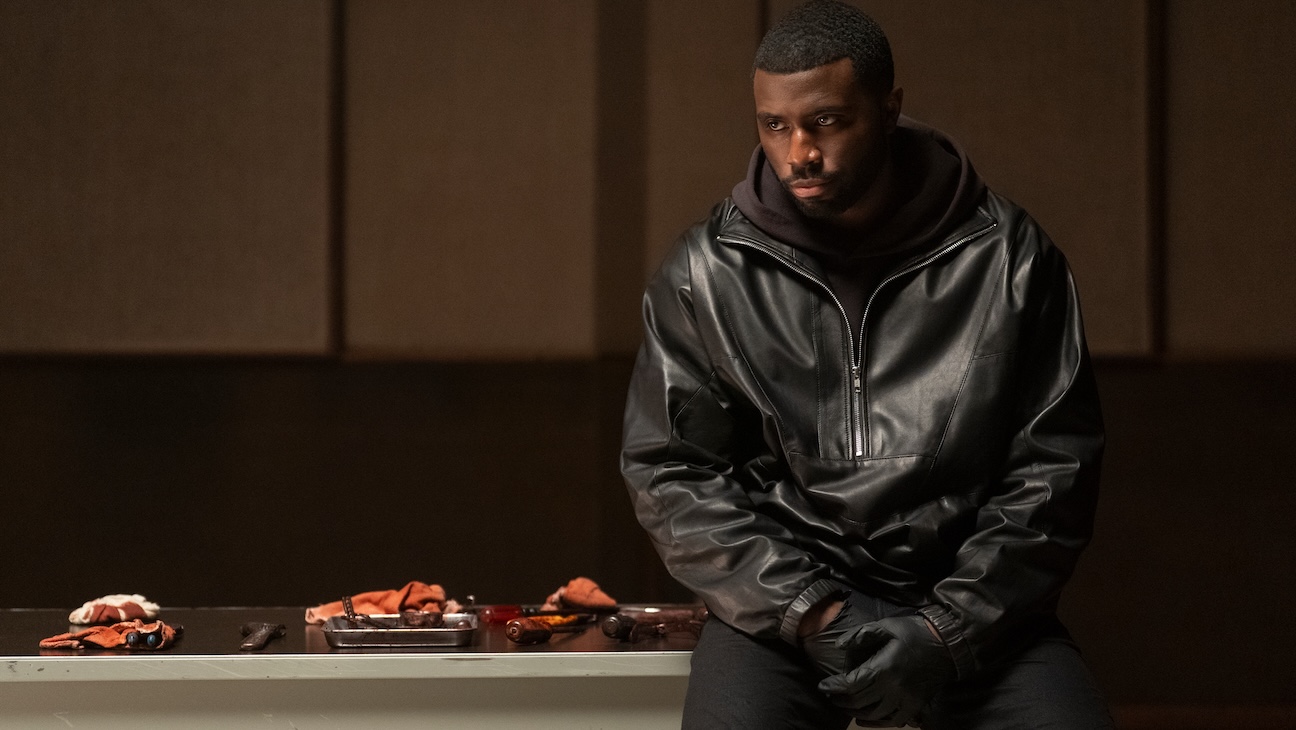
Opposing Stiles is Coltrane Wilder (Y’lan Noel), a sophisticated evolution of the master thief. The series’ central conflict is built on operational parity; Wilder’s crew operates with a professional rigor that mirrors law enforcement, creating a balanced tactical environment where the margin for error is razor-thin. By initiating the narrative with a high-stakes Beverly Hills heist, the series establishes a thematic focus on wealth disparity and the strategic redistribution of capital, framing the criminal act as a commentary on the architecture of theft in late-stage capitalism.
Aesthetic Lineage: The Van Peebles Influence
The directorial involvement of Mario Van Peebles provides a critical bridge to urban crime cinema’s foundational roots. Through visual cues referencing New Jack City and Sweet Sweetback’s Baadasssss Song, Nemesis positions itself within a specific cultural lineage. This intentional homage grants the series immediate stylistic authority, allowing it to leverage historical prestige while delivering a modern, high-definition thriller experience that prioritizes social commentary alongside narrative momentum.
Domestic Collateral and the Trauma Engine
The series meticulously documents the slow decay of the domestic sphere as the price of elite-level vigilance. Stiles’ strained relationship with his wife, Candace, and his son highlights the unsustainable nature of his quest to capture the ‘white whale’—the man responsible for his partner’s death. This trauma functions as the narrative engine, transforming what could be a standard procedural into a study of the long-term psychological wounds inflicted by professional failure and the destructive nature of the hero complex.
Conclusion: The Future of the Prestige Procedural
By casting alumni from The Wire and utilizing an eight-episode structure, Nemesis signals its ambition to be categorized as prestige television. Netflix’s investment in Kemp’s vision suggests a move toward dominating the crime-thriller vertical through intellectual and tactical rivalry rather than simple action sequences. Nemesis is not just a addition to a catalog; it is a clear indicator of the streaming giant’s intent to produce high-value narratives that offer both technical execution and thematic resonance.