The fatal crash of a Security Aviation Cessna 441 near the Cape Newenham Long Range Radar Site (LRRS) serves as a critical case study in the logistical vulnerabilities of remote Arctic defense infrastructure. With eight confirmed fatalities—including two U.S. Army Corps of Engineers (USACE) personnel—the incident represents more than a tragic loss of life; it signifies a disruption to the operational continuity of the Alaskan Command’s regional surveillance apparatus.
The Civilian-Military Logistical Nexus
The flight’s trajectory from Anchorage to an isolated outpost 450 miles southwest illustrates the ‘hub-and-spoke’ dependency of Alaska’s defense architecture. The reliance on civilian-contracted aircraft, specifically the Cessna 441 Conquest II, highlights a strategic trade-off: leveraging private-sector fleet flexibility to service restricted military installations. However, this model introduces complex variables regarding oversight, safety standardization, and risk management in extreme sub-Arctic environments.
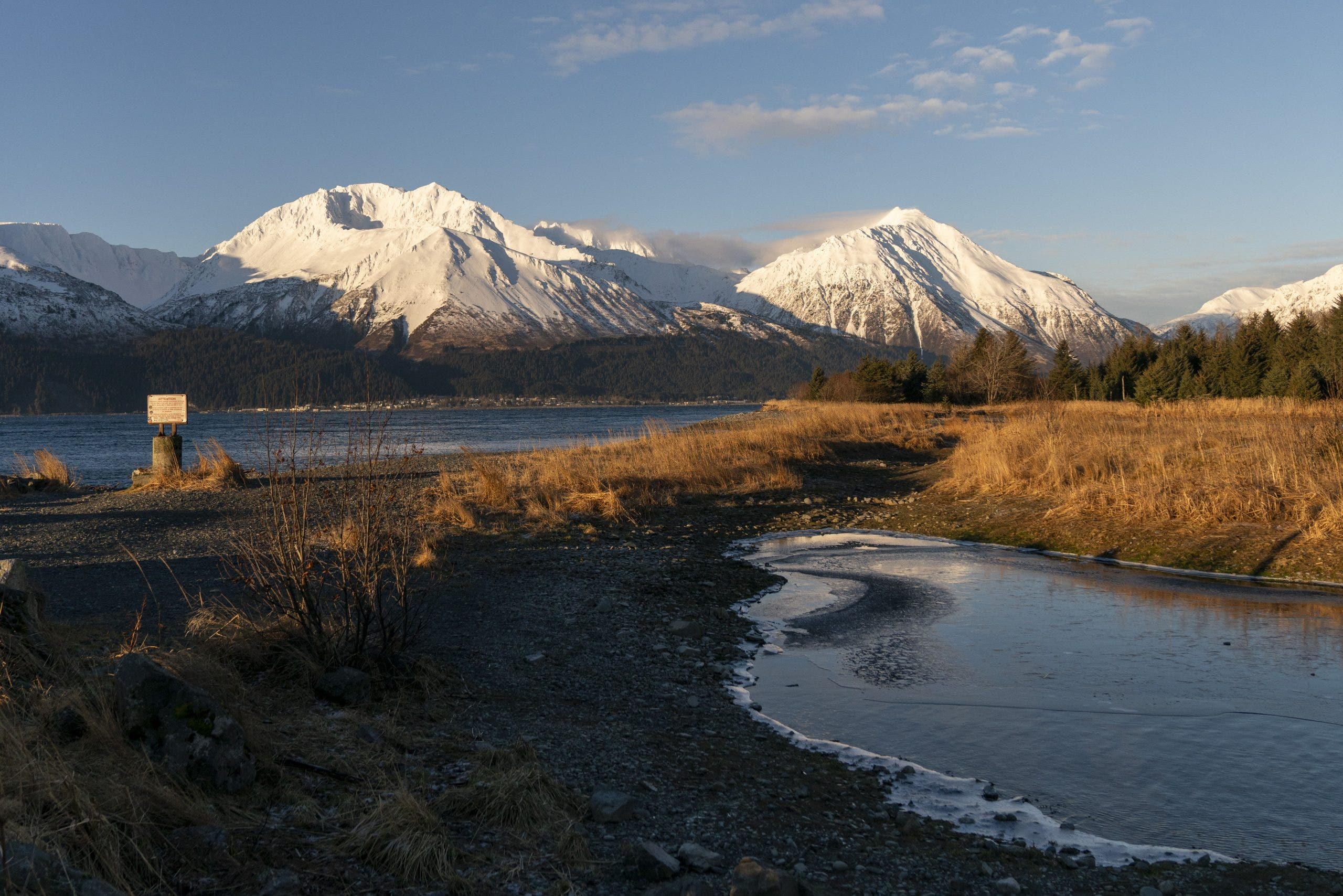
Cape Newenham is a pivotal node in the Long Range Radar network managed by the Pacific Air Forces Regional Support Center. These sites are essential for North American Aerospace Defense Command (NORAD) operations. Because the airstrip is restricted to military and approved charter flights, any asset loss within this corridor directly impacts the personnel pipeline required for site maintenance and regional sovereignty missions.
Institutional Impact on USACE and Infrastructure Readiness
The presence of USACE personnel on the manifest underscores the continuous engineering requirements of the Eleventh Air Force. The USACE manages high-priority projects ranging from environmental remediation to facility upgrades in volatile climates. The loss of specialized engineers creates an immediate deficit in institutional memory and technical expertise, potentially stalling critical infrastructure milestones at Cape Newenham.
Lt. Gen. Robert Davis’s classification of the flight as a ‘vital mission’ emphasizes that these civilian-operated transits are central to military readiness. The demanding geography of western Alaska necessitates high-frequency rotations of technical staff, making any safety failure a direct blow to the regional mission’s sustainability.
Technical Profile and Investigative Focus
The Cessna 441 is preferred for remote Alaskan operations due to its pressurized cabin and short-field performance on unpaved runways. As the National Transportation Safety Board (NTSB) and FAA commence their inquiry, the focus shifts to the performance limitations of twin-turboprop aircraft during approaches in volatile weather. NTSB Alaska Region Chief Clint Johnson will lead the reconstruction of the 12:15 p.m. crash to determine if mechanical failure or environmental factors compromised the airframe.
Security Aviation now faces rigorous regulatory scrutiny. The investigation’s outcome will likely influence future vetting criteria for civilian contractors tasked with high-value personnel transport. Systemic questions regarding the frequency of audits and the adequacy of safety management systems (SMS) for contractors operating in restricted military airspace are expected to follow.
Strategic Implications for Arctic Operations
This incident may accelerate shifts toward modernizing remote transport assets or increasing the use of military-organic transport for sensitive missions. The financial and operational fallout—encompassing insurance premiums, contract restructuring, and safety protocol overhauls—affects all stakeholders in the Alaskan defense theater. The primary challenge remains the balance between cost-effective civilian outsourcing and the inherent safety requirements of military-grade logistics in the world’s most unforgiving operational environment.