
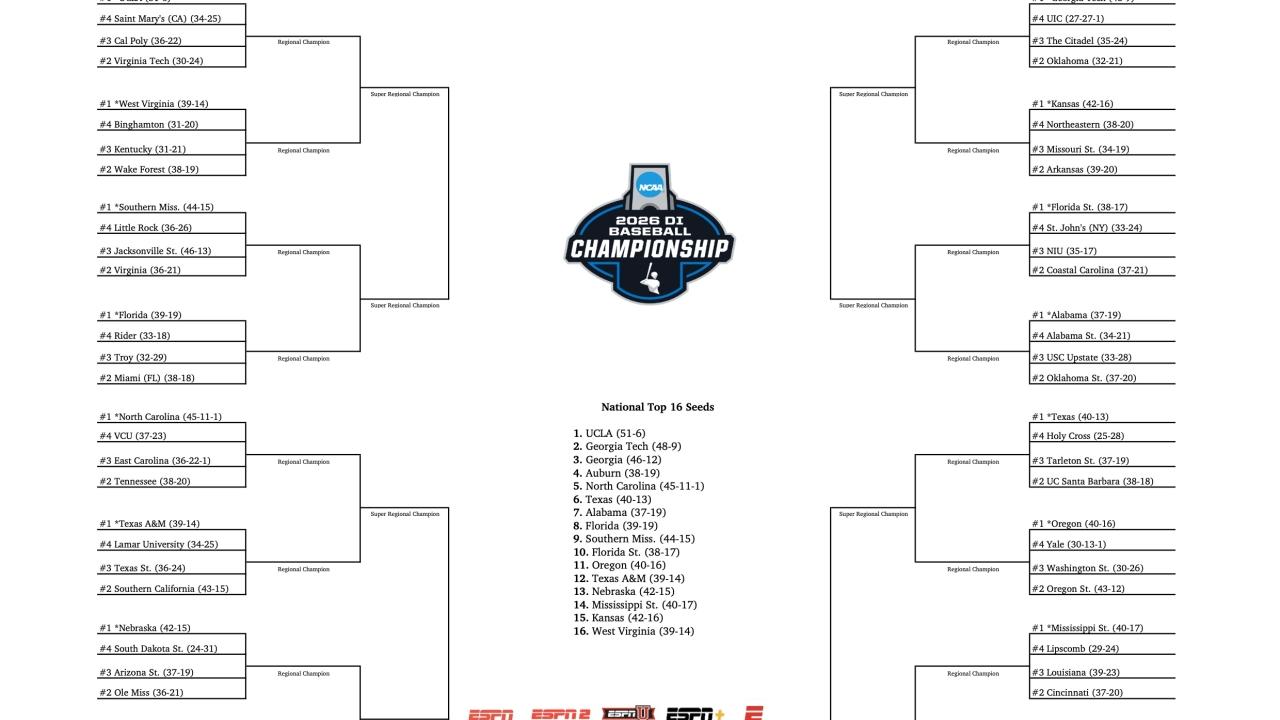
The 2026 NCAA DI baseball tournament reaches its zenith as the Men’s College World Series (MCWS) transitions to Charles Schwab Field in Omaha. This phase shifts from a regional 64-team field to a highly concentrated eight-team double-elimination bracket, demanding a pivot from simple series victories to sophisticated resource management and high-leverage tactical deployment.
Commencing June 12, the tournament serves as a definitive stress test for collegiate athletic departments. The transition to Omaha represents a departure from home-field advantages to a neutral-site environment where institutional visibility and recruitment trajectories are at stake. Following LSU’s 2025 championship victory over Coastal Carolina, the 2026 field faces an elevated benchmark for roster depth and pitching durability.
Institutional Economics and Venue Logistics
Charles Schwab Field functions as a stabilized economic anchor for the NCAA’s postseason. This permanence facilitates long-term strategic planning regarding media rights valuation, tiered ticket distribution, and premium corporate sponsorships. For participating universities, an Omaha appearance is a primary KPI for program health, driving capital investments in player development facilities and coaching staff retention.
Operational logistics, managed through an NCAA-local partnership, ensure broadcast standardization and optimized spectator experiences. This stability is critical for maintaining the event’s status as a premier mid-June media asset, maximizing brand equity for the participating institutions within a global sports market.
Bracket Mechanics and Pitching Leverage
The double-elimination structure forces coaching staffs into complex stochastic modeling regarding pitching rotations. Unlike single-elimination formats, the MCWS rewards depth. Critical inflection points occur in Games 5 and 7, where losing teams face immediate elimination. Here, coaches must choose between deploying primary starters on sub-optimal rest or utilizing secondary bullpen assets to preserve arm health for a potential championship series.
Conversely, winners of the opening quadrant (Games 1-4) secure a significant rest advantage. This ‘winner’s bracket’ path allows for conservative pitcher management, often proving decisive during the final best-of-three championship series scheduled for June 21-22. Analytical scouting and data-driven defensive alignments are now standard, as teams attempt to mitigate the unpredictable environmental variables inherent in Omaha’s coastal-like weather patterns.
Media Valuation and Global Reach
ESPN’s 2026 broadcast strategy leverages the high-stakes narrative of the double-elimination format. Strategic scheduling at 2 p.m. and 7/8 p.m. ET maximizes multi-timezone viewership. This window serves as a platform for institutional branding, where technical production—including advanced sabermetric overlays and multi-angle replays—enhances the audience’s understanding of the game’s strategic nuances.
Long-term Program Impact
The 2026 MCWS outcome will fundamentally reshape the DI baseball landscape. Success in Omaha correlates with increased donor engagement and higher-profile coaching appointments. As programs like LSU attempt to establish multi-year dynasties, the intersection of athletic excellence and strategic management remains the ultimate differentiator. The tournament is more than a championship; it is a complex institutional operation that validates the pinnacle of collegiate achievement.
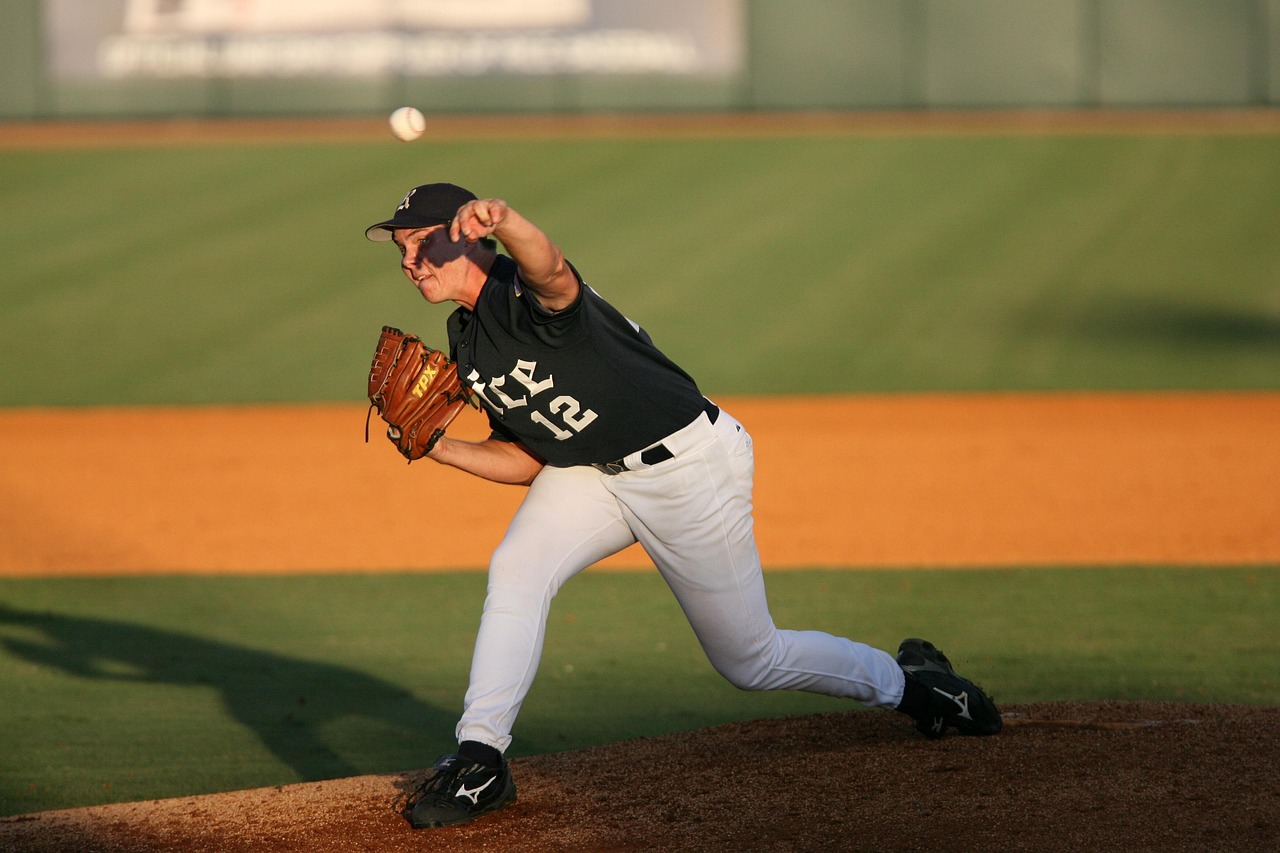
Photo by KeithJJ on Pixabay.