South Carolina Ends UConn’s Historic 54-Game Streak in Final Four Upset
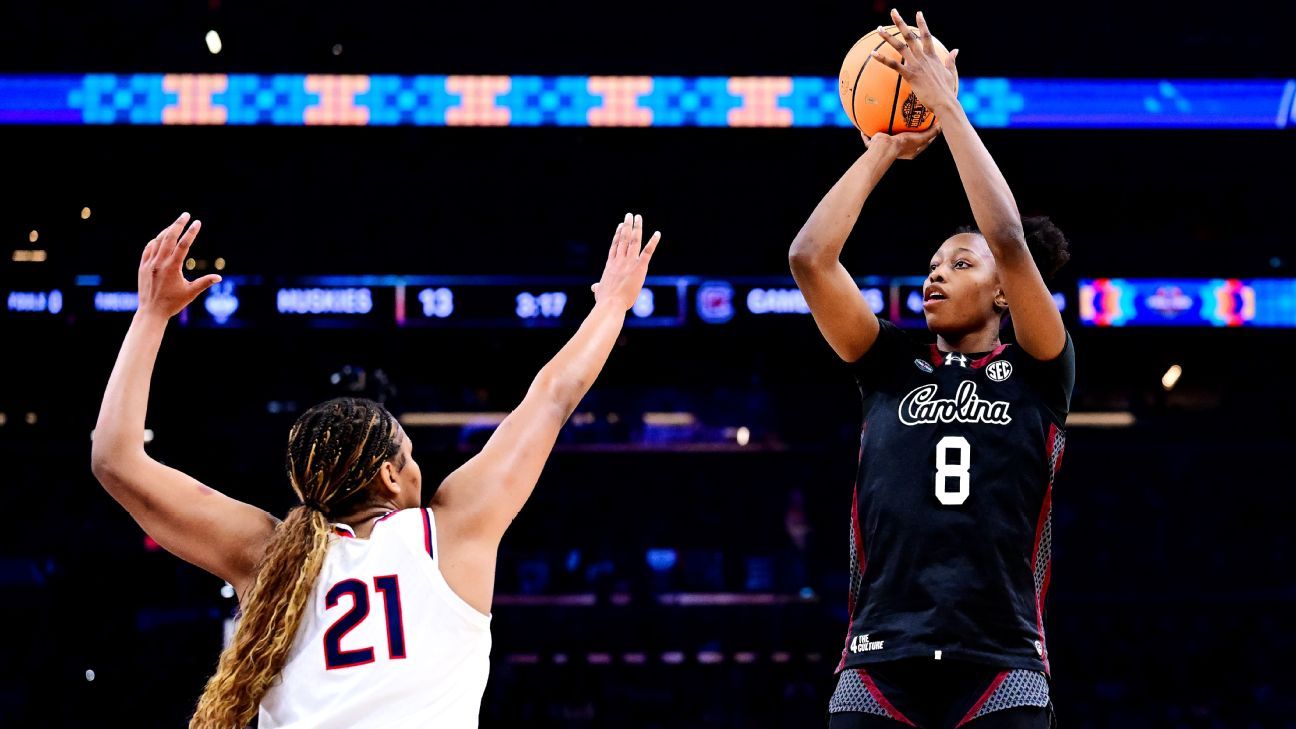
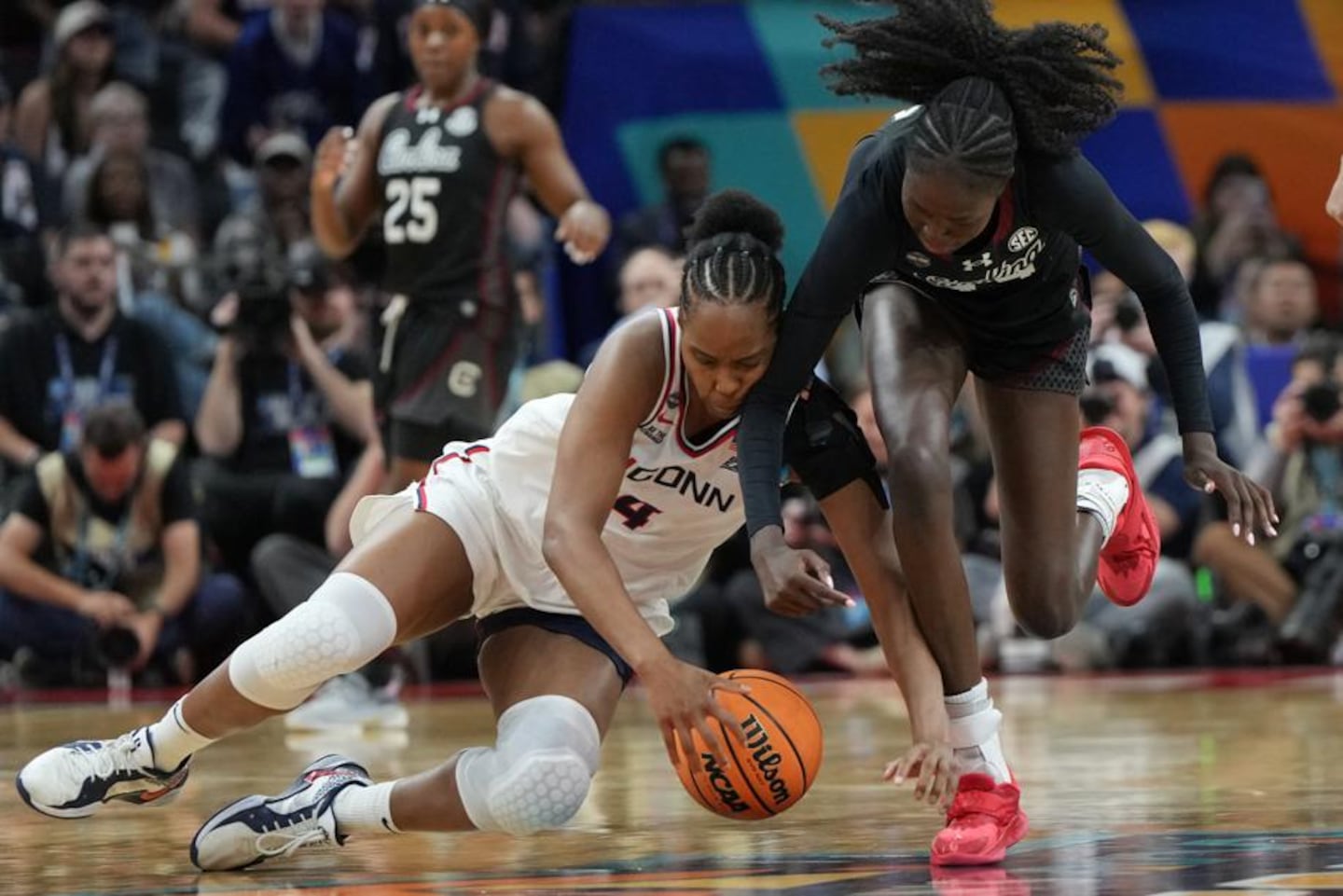
The South Carolina Gamecocks have achieved a monumental victory, defeating the previously undefeated UConn Huskies 62-48 in a decisive Women’s Final Four matchup. This win not only halts UConn’s historic 54-game winning streak, the fourth-longest in NCAA Division I history, but also propels the Gamecocks to their third consecutive national championship game. Their opponent will be fellow No. 1 seed UCLA.
The Gamecocks’ triumph is deeply rooted in strategic motivation, directly stemming from a significant 82-59 loss to UConn in the previous year’s national championship game. This memory was a constant catalyst, reportedly displayed in their offseason workouts, underscoring coach Dawn Staley’s program-building philosophy that emphasizes resilience and redemption through sustained focus on critical performance metrics.
This victory marks a pivotal moment for Coach Dawn Staley, positioning her to potentially join an elite echelon of coaches with multiple national titles. With previous championships in 2017, 2022, and 2024, Staley is aiming for her fourth title, a feat that would place her in the historical company of legends like Geno Auriemma, Pat Summitt, and Kim Mulkey.
Coach Staley lauded her team’s execution, emphasizing their ability to translate rigorous practice into decisive in-game performance. This reflects a coaching strategy centered on player empowerment and disciplined preparation, which has proven highly effective in high-stakes NCAA Tournament games.
UConn’s dominant streak’s conclusion signifies a significant disruption to their program’s consistent dominance, introducing a critical inflection point for their future trajectory. The loss to South Carolina, limiting the Huskies to a season-low 48 points, highlights the Gamecocks’ exceptional defensive prowess.
The game’s intensity extended to post-game commentary, with UConn’s veteran coach Geno Auriemma publicly voicing strong dissatisfaction with the officiating and the physical nature of the contest. Auriemma’s pointed criticism, particularly concerning foul calls and perceived neglect of physical play against his team, including a ripped jersey incident, underscored the intense pressure of Final Four matchups.
Auriemma’s reported public exchange with Staley in the game’s closing moments reflects deep frustration with the officiating and perceived tactical disparities. This high-profile dispute between two prominent figures injects significant narrative depth into women’s college basketball, potentially influencing future officiating standards and inter-coach dynamics.
South Carolina’s balanced performance was key. Beyond their stout defense, offensive contributions from Ta’Niya Latson (16 points) and Agot Makeer (14 points) showcased a complete team effort capable of overcoming formidable opponents.
The Gamecocks’ current 38-3 record underscores their season-long consistency and strategic development. Their sustained success at the highest level points to robust program management, effective player development, and consistent strategic alignment under Staley’s leadership.
The implications of this upset extend beyond the immediate tournament, potentially recalibrating the perceived hierarchy in women’s college basketball. UConn’s fall from an undefeated status challenges narratives of invincibility and opens avenues for other programs to assert dominance, fostering greater parity.
Fan engagement events in downtown Phoenix surrounding the Final Four highlight the broader cultural and economic impact of these tournaments, underscoring the growing popularity and commercial appeal of women’s college basketball.
South Carolina’s strategic use of their previous championship loss score as motivation is a powerful illustration of leveraging past data and emotional resonance to drive future success, integrating psychological conditioning with physical and technical development.
For UConn, the end of their streak presents a significant psychological and strategic challenge, requiring recalibration from maintaining an undefeated record to regrouping for the next competitive cycle.
The officiating controversy and coaching exchanges could lead to increased scrutiny of game management and disciplinary protocols within the NCAA, potentially prompting reviews of rules and enforcement mechanisms.
South Carolina’s pursuit of their fourth national title places them in a rare category of collegiate sports dynasties, solidifying their program’s legacy and enhancing Staley’s reputation as a preeminent coaching figure.
Compelling narratives and dramatic upsets like this elevate the profile of women’s college basketball, attracting new fan bases, generating media attention, and creating sponsorship opportunities.
The strategic use of visual reminders, like score displays, is a tactic observed across competitive domains, demonstrating a sophisticated understanding of performance psychology by leveraging memory and emotion to fuel effort.
The contrasting reactions from the coaching staffs encapsulate the multifaceted pressures and emotional stakes of elite athletic competition, highlighting the subjective interpretation of game events and the coaches’ intense personal investment.
The 62-48 final score reflects a defensive masterclass by South Carolina, neutralizing UConn’s offense and demonstrating how disciplined team defense can contain superior offense.
The narrative of South Carolina avenging a prior blowout loss adds a compelling storyline of redemption and perseverance, amplifying the sport’s appeal to a broader audience.
The impending championship game against UCLA presents another significant strategic challenge, requiring South Carolina to maintain defensive intensity and offensive efficiency.
The legacy of UConn’s undefeated streak remains significant, but the focus shifts to South Carolina’s potential dynasty and the evolving competitive dynamics in women’s college basketball.
The economic impact of hosting the Final Four in Phoenix underscores the growing commercial viability of women’s sports, stimulating local economies.
The coaching philosophies of Staley and Auriemma represent different, yet successful, approaches to program building, with Staley emphasizing execution and psychological motivation, contrasting with Auriemma’s tactical focus and advocacy for his team.
The upset of an undefeated team in the Final Four highlights the inherent unpredictability and competitive parity that can emerge even in dominant programs, a key driver of fan engagement.
South Carolina’s consistent presence in the national championship game over three consecutive seasons is a testament to sustained excellence and program stability, indicating a deeply ingrained culture of success.
The officiating controversy raises broader questions about the pressures and expectations placed upon referees in high-stakes collegiate sporting events.
Strategic decision-making in the final moments of close games often hinges on marginal gains; South Carolina’s ability to execute under pressure was a defining characteristic of their victory.
The broader impact on recruiting and program perception for both South Carolina and UConn will be significant, solidifying elite status for one and providing an opportunity to regroup for the other.
This Final Four upset significantly shapes the narrative of the 2026 NCAA Women’s Tournament, setting the stage for a highly anticipated championship game.
The competitive balance demonstrated suggests a healthy and evolving landscape for women’s college basketball, marked by increasing depth of talent and strategic sophistication across multiple programs.