SNL Hiatus: A Calculated Break in High-Velocity Programming
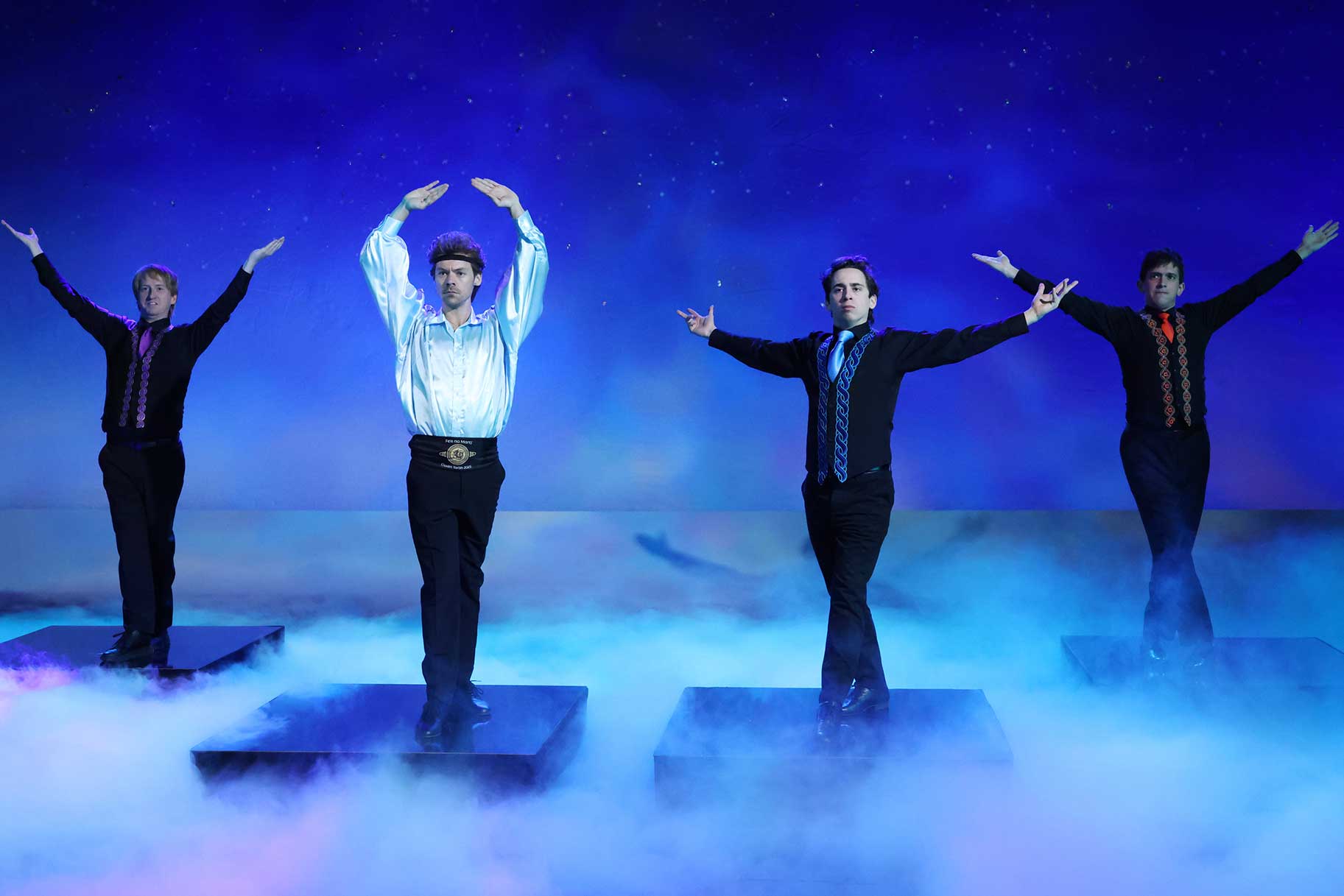
The broadcast interruption of Saturday Night Live on March 21 follows a three-week surge featuring high-leverage hosts—Connor Storrie, Ryan Gosling, and Harry Styles. This tactical pause, airing a rerun of the Glen Powell episode (Nov. 15, 2025), signals a deliberate network strategy to recalibrate production velocity and amplify subsequent tentpole events, rather than reflecting simple scheduling availability constraints.
Operational Reset vs. Momentum Interruption
The decision to substitute a new A-list broadcast with a repeat, specifically one featuring successful sketches like “AI Photo,” indicates the production pipeline necessitated a short recovery window following three consecutive high-intensity live shows. This quality control measure prioritizes the impact of upcoming content over continuous new output.
The rerun functions as strategic placeholder inventory, offering predictable advertising yield while the creative team finalizes material and secures talent clearances for the remainder of Season 51. The network is leveraging archival success to bridge the gap.
Strategic Synchronization: Domestic Pause Meets International Launch
The timing of this domestic hiatus is critically leveraged to synchronize with the global expansion of the franchise: the launch of Saturday Night Live UK, helmed by Tina Fey.
By pausing new domestic broadcasts, the network strategically segments audience attention, preventing promotional dilution. This allows the SNL UK debut to capture focused international press coverage and initial audience acquisition metrics without direct domestic competition, optimizing bandwidth for a dual-market brand push.
The Leverage of the April 4 Return: Institutional Milestones
The mandated return on April 4 is precisely calibrated to maximize the cultural weight of Jack Black’s induction into the prestigious ‘Five-Timers Club.’ Scheduling this institutional benchmark immediately post-hiatus ensures peak audience re-engagement.
Black’s appearance, nearly a year after his last hosting turn in April 2025, is framed as a significant, rare event. This strategy—alternating between contemporary, trending hosts and established legacy performers like Black (whose relationship with the network spans decades)—balances portfolio risk and retention power.
Furthermore, the scheduling acknowledges institutional memory, evidenced by the context surrounding Black’s booking, which reportedly links back to discussions involving talent like Woody Harrelson years prior. This highlights the long-term planning embedded in SNL’s talent acquisition roadmap.
Economic and Audience Retention Models
The repeat programming strategy directly informs network economics. The residual viewing data gathered from the Powell rerun helps quantify the long-tail appeal of specific sketch types (e.g., absurdist comedy) independent of the initial host’s cultural buzz.
For advertisers, known successful reruns offer stable inventory planning. For viewers, the gap tests the show’s cultural inertia. The network bets that the anticipation for the Black milestone will successfully pull back viewers who may have sampled competing late-night programming during the two-week absence, minimizing long-term subscriber churn.
This structure—high-intensity runs followed by strategic breaks before major milestones—is essential for maintaining the perception of SNL as appointment television in a fragmented media landscape.