Scottie Scheffler’s Strategic Work-Life Integration at the Masters
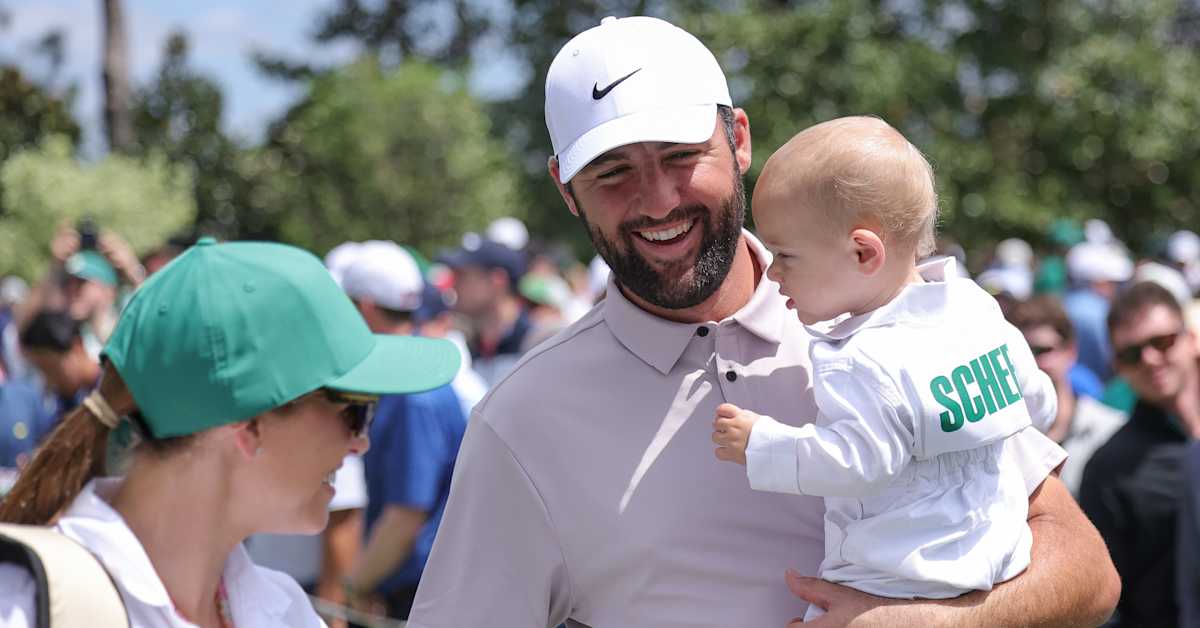
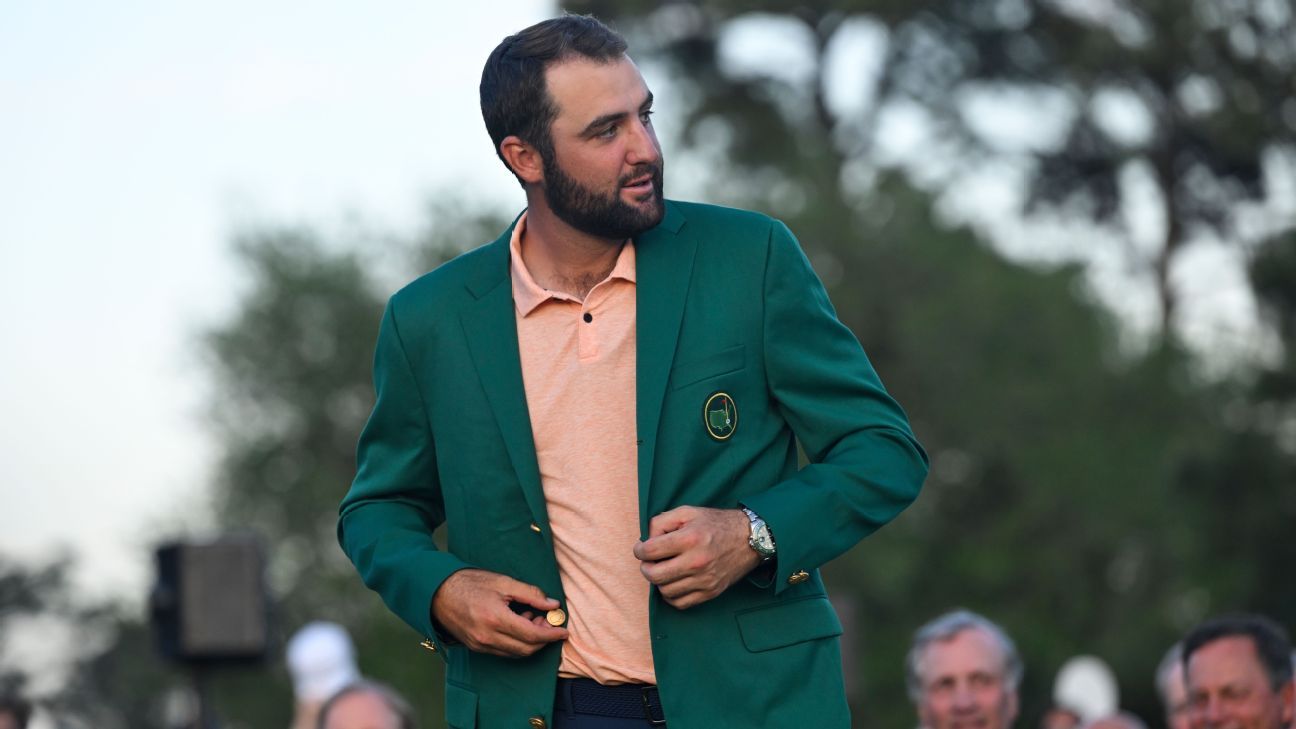
Two-time Masters champion Scottie Scheffler arrived at Augusta National with his entire family, including his nine-day-old newborn son Remy. This public integration of personal life into the highly controlled environment of the Masters tournament presents a significant case study in modern elite sports management. Scheffler’s actions challenge traditional performance models that advocate for strict separation of professional focus and personal life during high-stakes competitions. Instead, his approach suggests a deliberate strategy where personal stability and emotional well-being are leveraged as essential components of competitive preparation.
Competitive Strategy and Psychological Performance Leverage
Scheffler’s recent withdrawal from the Texas Children’s Houston Open, a preparatory tournament, prior to the birth of his child demonstrates a strategic prioritization of personal milestones over conventional training. This decision-making process highlights a calculation of performance trade-offs, where the psychological benefits of being present for a significant family event are weighed against the potential loss of competitive sharpness from skipping a tune-up. For an athlete at the peak of his career, this choice reflects confidence in existing form and a belief that personal equilibrium provides greater performance leverage than additional competitive rounds.
This pattern of timing—where Scheffler’s first son, Bennett, was born just before the PGA Championship and his second son, Remy, arrived immediately preceding the Masters—suggests a developed strategy for managing these transitions. Rather than viewing family life as a distraction, Scheffler’s team appears to frame it as a source of motivation and stability. This integrated model contrasts sharply with traditional sports psychology, where athletes often seek to isolate themselves completely from personal distractions to maintain singular focus during major tournaments.
Institutional Logistics and Augusta National’s Adaptation
The presence of a nine-day-old infant at Augusta National presents unique operational challenges for both Scheffler and the institution. Augusta National maintains stringent access controls and a carefully curated atmosphere, making it one of the most exclusive venues in sports. The accommodation of a newborn and a young family within this environment requires specific logistical planning and potentially special arrangements, which highlights Augusta National’s flexibility in supporting top competitors. The family’s visibility, noted near the clubhouse, suggests an institutional adaptation to the personal circumstances of its star players.
The logistical complexity extends beyond physical presence. Managing sleep schedules, feeding requirements, and overall family well-being during a high-pressure week necessitates a robust support infrastructure. This support network, including Scheffler’s wife Meredith and parents, mitigates potential performance distractions. By strategically deploying this support system, Scheffler ensures his family’s needs are met while maintaining his focus, effectively leveraging personal support as part of his competitive strategy.
Media Narrative and Stakeholder Management
Scheffler, known for keeping his personal life private, chose to make this event visible. The public nature of the family’s presence at Augusta, described as adding to the sights rarely seen at the Masters, underscores a strategic management of media narratives. The news was confirmed by Scheffler’s agent to PGATOUR.COM, indicating a controlled release of information rather than an accidental leak. This approach allows Scheffler to frame the narrative on his own terms, preempting speculation about his focus or readiness for the tournament.
For stakeholders, including sponsors and media partners, the integration of family narratives into an athlete’s public image can enhance long-term marketability and audience connection. By presenting this personal milestone as a source of strength rather than a potential distraction, Scheffler reinforces his brand identity as a relatable figure. This strategic use of personal narrative creates long-term value, potentially outweighing short-term financial losses from missed tournaments, by fostering deeper connections with consumers and strengthening sponsor confidence.
The Masters provides the ideal high-visibility platform for this narrative, ensuring maximum positive exposure for both Scheffler and associated brands.
Implications for Elite Sports Management and Long-Term Performance
Scheffler’s approach offers a new case study for contemporary elite sports management. The traditional model, based on isolation, often leads to athlete burnout and unsustainable performance over extended periods. Scheffler’s deliberate integration of personal life into his professional trajectory suggests a shift toward a holistic model. This approach recognizes that emotional well-being and personal stability are critical drivers of sustained long-term performance. The success of this strategy in high-stakes environments like the Masters provides valuable insight into the efficacy of integrated athlete management.
The institutional adaptation demonstrated by Augusta National further reinforces this shift. By accommodating Scheffler’s family, the tournament balances its traditional identity with the demands of modern professionalism. This flexibility ensures the institution remains relevant in an era where athletes increasingly prioritize comprehensive well-being and work-life integration. Scheffler’s strategy challenges conventional wisdom, suggesting that embracing significant personal milestones can provide a powerful psychological advantage, leading to more sustainable success throughout a high-pressure career trajectory.