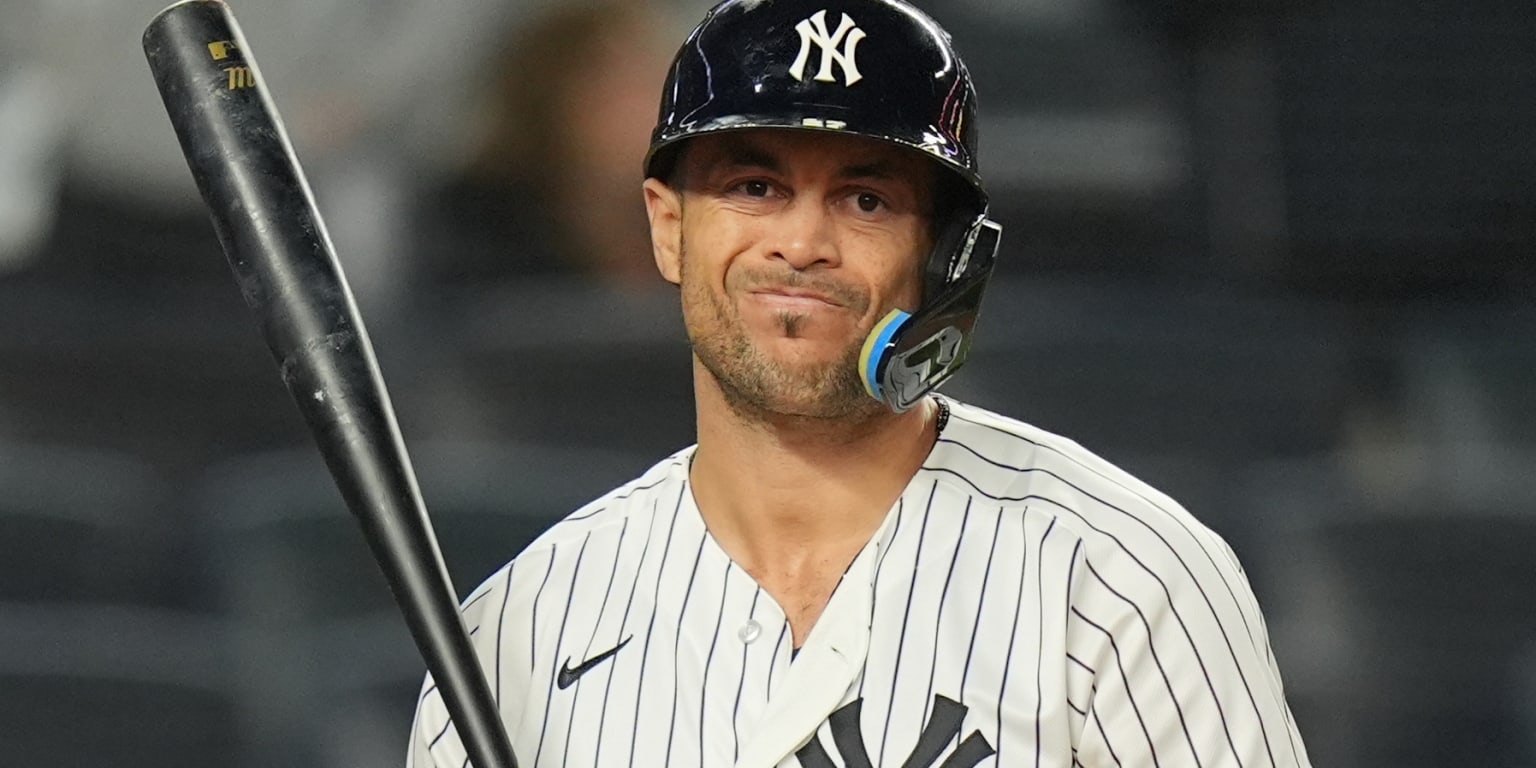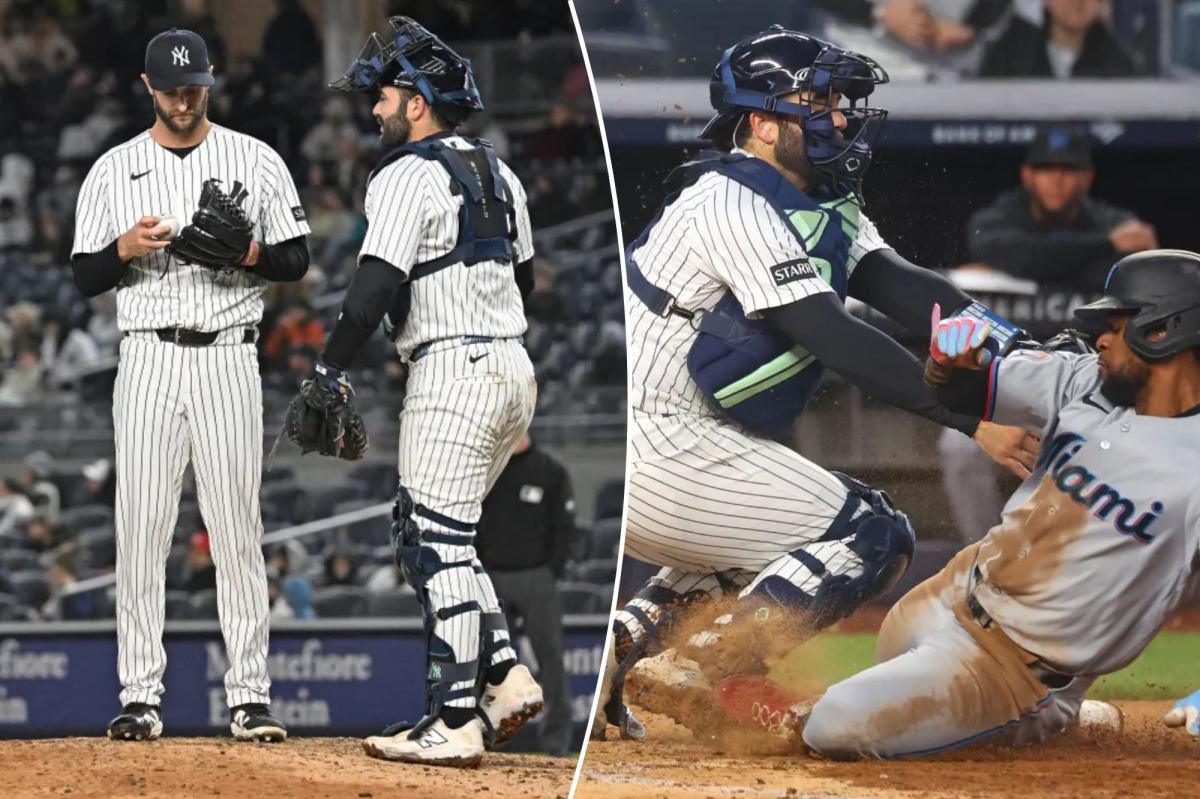
The New York Yankees’ 7-6 capitulation to the Miami Marlins on April 5, 2026, serves as a high-stakes case study in relief volatility and the compounding tax of weather-induced operational friction. While seeking a franchise-best 8-1 start, the Yankees’ structural vulnerabilities in the middle innings were exposed following a 215-minute rain delay that fractured the game’s rhythm and exhausted the roster’s stamina.
Max Fried’s departure with a 4-3 lead initially signaled a successful rotation-to-bullpen transition. However, the subsequent collapse of Jake Bird and Fernando Cruz underscored a critical lack of depth in high-leverage scenarios when primary closers like David Bednar—taxed by a 33-pitch outing the previous day—are unavailable. The eighth-inning meltdown, characterized by consecutive walks and a hit batsman, suggests that Bird’s mechanical consistency was compromised by the stop-and-start nature of a game that ultimately spanned nearly seven hours of total stadium occupancy.
Tactical Exploitation and Leverage Failures
The Marlins’ 6-3 record is a testament to situational opportunism. Miami manager’s deployment of pinch-hitters Graham Pauley and Griffin Conine specifically targeted the Yankees’ reliance on secondary arms. Pauley’s two-run double against Bird’s sweeper—a pitch that lacked its usual vertical bite in the humid conditions—became the game’s pivot point. This was compounded by the Yankees’ defensive decision to draw the infield in against Xavier Edwards; the maneuver failed as a ground ball eluded the compressed defense, transforming a narrow deficit into a four-run Miami surge.
Operational strain further hampered New York. The 2026 schedule’s early density, combined with the longest nine-inning contest since the pitch clock’s inception (three hours, 24 minutes of active play), forced a reliance on ‘bridge’ relievers like Tim Hill and Brent who had been overextended in previous series. This cascade effect highlights the fragility of a star-heavy roster that lacks a durable middle-tier pitching core.
Institutional and Commercial Repercussions
The loss represents more than a statistical setback; it highlights the ‘human element’ that still disrupts modern baseball’s push for efficiency. Despite MLB’s clock mandates, atmospheric variables remain the great equalizer, reverting play to the protracted durations of the previous decade. For the Yankees organization, such marathon games test fan retention and logistical infrastructure, while on the field, the inability to match the historic marks of the 1988 or 2003 squads introduces a narrative of fallibility.
Moving forward, the Yankees’ front office faces pressure to stabilize the middle-relief hierarchy. The ‘inside buzz’ indicates that while a 7-2 record is objectively elite, the specific failure to protect a lead in the eighth inning has prioritized the acquisition of a reliable setup man before the mid-season deadline. For the Marlins, this victory provides a blueprint for dismantling top-tier American League opponents through disciplined plate appearances and bench utilization.