
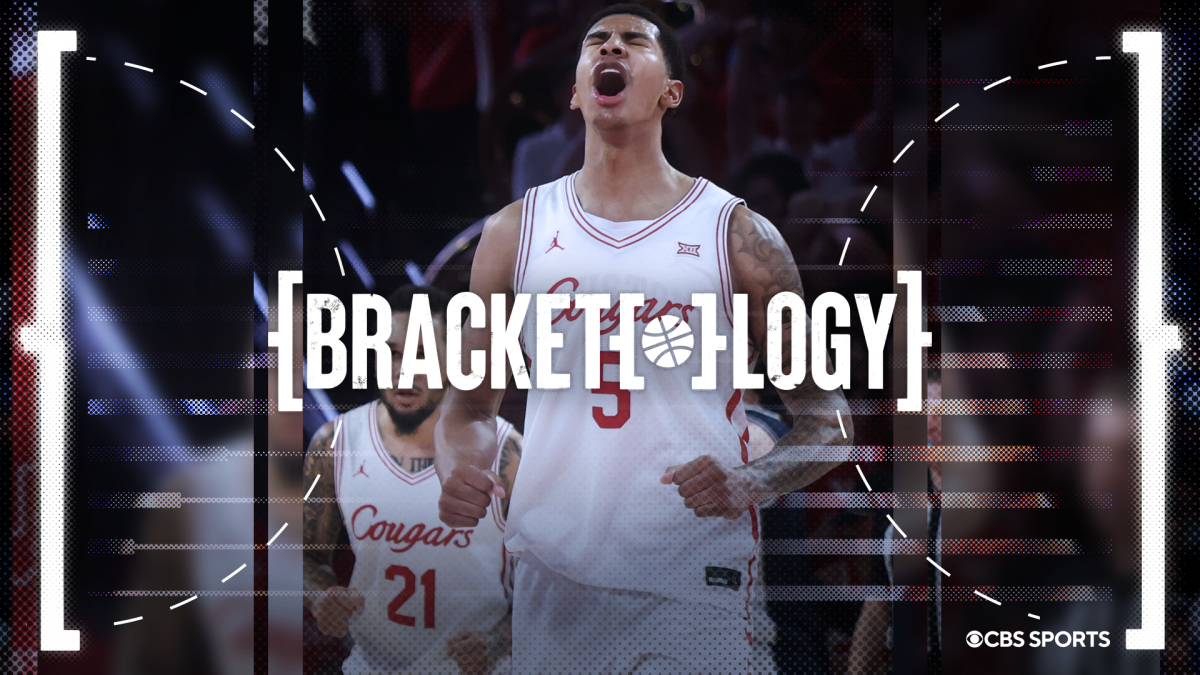
Houston vs. Kansas: Strategic Stakes for NCAA Tournament Seeding
A high-stakes Big 12 matchup between Houston and Kansas carries significant implications for both programs’ NCAA Tournament seeding aspirations, particularly in the context of “Bracketology.” The outcome of the Monday night showdown inside Allen Fieldhouse will directly influence Houston’s path to potentially securing a No. 1 seed and the strategic advantage of playing in the South Region, which culminates in Houston at the Toyota Center.
Houston’s Path to Regional Competitive Advantage
For Houston, securing a No. 1 seed is critical to maximizing its competitive leverage in the tournament. The program’s goal extends beyond simple prestige, focusing on the logistical advantages of playing in its home city. Achieving this favorable regional placement—playing Sweet 16 and Elite Eight games in Houston—requires Houston to be selected as a top seed and specifically placed in the South Region. This strategic goal highlights the operational value of a high seed, which includes mitigating travel fatigue and maximizing local fan support during critical tournament rounds. The selection committee’s bracketing process aims to balance competitive fairness while minimizing travel burdens for top seeds, making regular-season performance a direct determinant of strategic tournament positioning.
The Strategic Imperative for Kansas: Defending Home-Court Identity
Kansas enters the contest facing acute psychological and reputational pressure following recent home losses. The program suffered its second home defeat of the season against unranked Cincinnati, following an earlier home defeat to UConn. These losses raise questions about the team’s ability to defend its home court, a core component of its institutional identity.
The psychological impact of these recent losses is evident in player commentary. Fifth-year senior guard Melvin Council Jr. described losing at home as “bad, brutal and it sucks,” emphasizing the institutional expectation to “defend the home court always.” Forward Flory Bidunga suggested a lapse in focus, noting the team “didn’t respect enough” its previous opponent, Cincinnati. This suggests a failure in maintaining competitive intensity and preparation, which can be strategically exploited by high-level opponents. For Kansas, the game represents an attempt to regain a competitive edge and reassert its dominance.
Historical Streaks and Program Reputation
The upcoming game places significant institutional streaks on the line for Kansas, highlighting the historical weight and cultural expectations associated with the program’s home-court dominance. The Jayhawks have not dropped consecutive games at Allen Fieldhouse since 1989. The maintenance of such streaks serves as a measure of coaching effectiveness and program consistency. The pressure to maintain this record adds a layer of complexity to the strategic decisions made by coaching staff and players in high-stakes matchups. Furthermore, head coach Bill Self’s perfect 40-0 record in Big Monday home games is also at risk. The potential loss of these records would challenge the long-standing narrative of institutional invincibility at Allen Fieldhouse, potentially influencing future recruiting efforts and fan engagement.
Broader Implications for Bracketology and Program Evaluation
While both teams’ Big 12 regular-season title hopes have diminished, the outcome of this game remains critical for NCAA Tournament seeding and long-term financial implications. Performance in conference play directly influences NCAA Tournament seeding, which in turn impacts revenue distribution for the conference and individual programs. The NCAA’s revenue model often allocates funds based on tournament units earned, making every win in the regular season a strategic investment in future financial returns.
The game serves as a pivotal data point for the NCAA selection committee as it evaluates team resumes. A win against a high-ranked opponent like Houston provides significant leverage in the committee’s final deliberations, potentially securing a more favorable path through the tournament for Kansas, or strengthening Houston’s case for a top seed. Conversely, a loss would deepen concerns about Kansas’s recent performance issues and place additional pressure on the coaching staff to address competitive vulnerabilities before the tournament begins.

Photo by daschorsch on Pixabay.