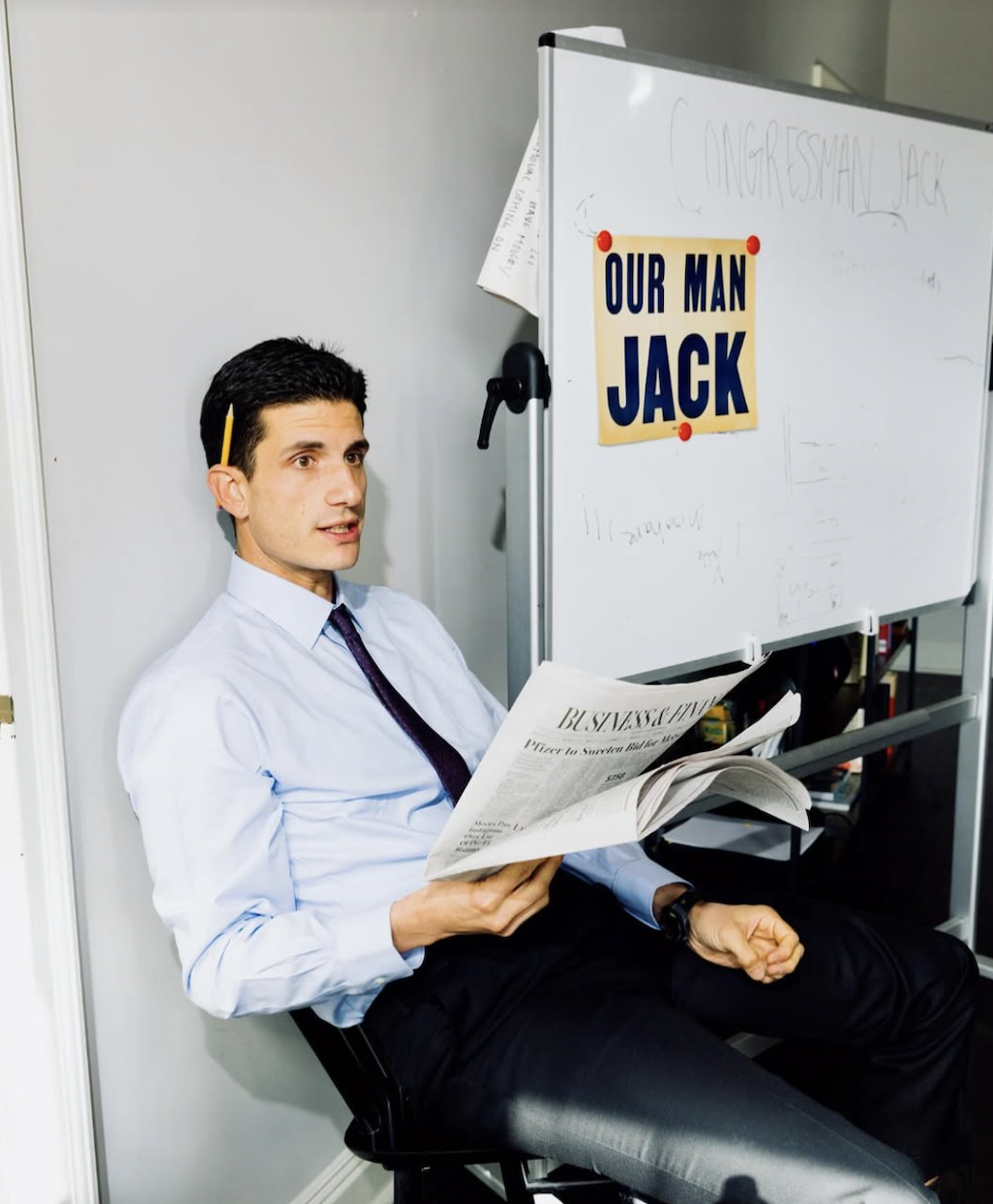
Jack Schlossberg Enters New York’s 12th Congressional Race Amidst High-Profile Support
Drawing on available public reporting, Jack Schlossberg, an American political commentator and writer, has formally announced his candidacy for New York’s 12th Congressional District. His entry into the electoral arena marks a notable development, drawing attention due to his lineage as the grandson of former President John F. Kennedy.
The campaign is already characterized by significant early support, including a forthcoming endorsement from prominent political figures. This backing signals a strategic alignment within established party structures as the primary election for the district approaches.
The Institutional Weight of Political Endorsements
The impending endorsement from former House Speaker Nancy Pelosi holds substantial institutional significance for Jack Schlossberg’s congressional bid. Endorsements from high-ranking party officials, particularly those with a national profile, often serve as crucial signals to voters, donors, and party operatives alike.
Such endorsements can consolidate support within a party, discouraging potential challengers and channeling resources toward a preferred candidate. For a competitive primary election, this institutional backing can be a decisive factor, influencing voter perception of a candidate’s viability and alignment with party values.
Moreover, a public endorsement from a figure like Pelosi, particularly one noted for “again backing a Kennedy for Congress,” underscores the enduring influence of political families within the party apparatus. This historical continuity suggests a recognition of lineage and a strategic investment in maintaining certain political connections across generations.
The act of endorsement itself is a formal statement of confidence, lending a candidate credibility and an implied stamp of approval from the party establishment. It can significantly impact a campaign’s momentum, volunteer recruitment, and access to organizational infrastructure, which are vital components of electoral success.
Party leaders strategically deploy endorsements to shape the direction of primary races, aiming to unify the party behind a strong contender capable of winning the general election. This structured approach helps in resource allocation and prevents internal divisions that could weaken the party’s overall standing.
The Strategic Importance of Early Campaign Finance
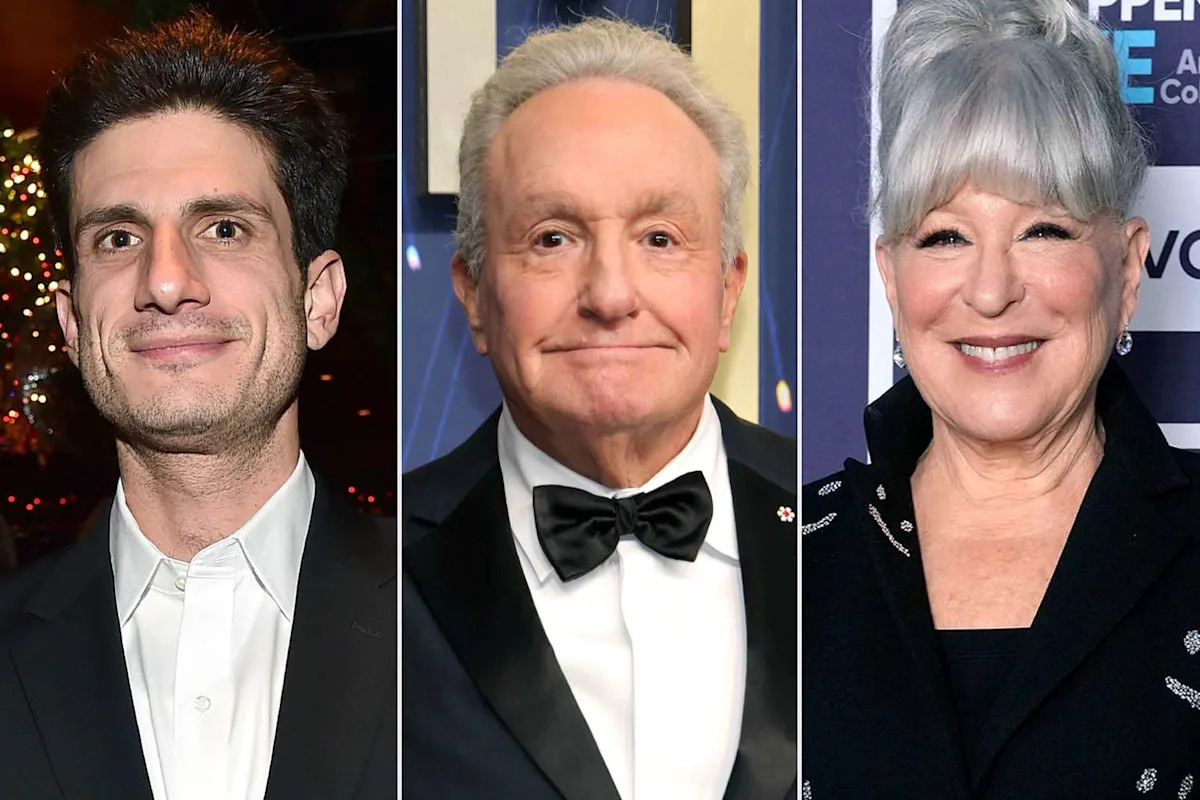
Jack Schlossberg’s campaign has garnered early financial contributions from a notable array of donors, including Lorne Michaels, Bette Midler, and his mother, Caroline Kennedy. The presence of such high-profile figures among early contributors provides both symbolic and practical advantages to a nascent campaign.
Early funding is critical for establishing a campaign’s operational capacity, enabling immediate investment in staffing, polling, advertising, and voter outreach programs. It demonstrates a candidate’s ability to mobilize resources, which is a key indicator of viability in the competitive landscape of congressional elections.
High-profile donors not only contribute financially but also lend their public profiles to the campaign, generating media attention and potentially attracting further donations from their networks. This visibility can be particularly impactful in a crowded primary, helping a candidate stand out from other contenders.
The support from family, such as Caroline Kennedy, highlights a deeply rooted network of personal and political connections that can be leveraged for campaign purposes. Such familial backing often signifies a profound commitment to the candidate’s political aspirations and can inspire confidence among other potential supporters.
Campaign finance regulations govern the collection and expenditure of these funds, ensuring transparency and accountability in the electoral process. However, the sheer volume and source of early contributions can significantly shape the perception of a campaign’s strength and its potential to succeed.
The early influx of donations allows a campaign to establish a robust infrastructure from the outset, enabling sophisticated data analysis, targeted communication, and rapid response capabilities. This foundational strength is indispensable for navigating the complexities and demands of a modern political race.
Navigating Political Lineage and Public Expectations
As the grandson of former President John F. Kennedy, Jack Schlossberg carries a distinct political lineage that profoundly shapes public perception and media engagement with his candidacy. Dynastic politics, while not unique to the United States, represent a significant feature of its electoral landscape.
The ‘Kennedy mystique’ provides immediate name recognition and a historical narrative that can resonate with certain segments of the electorate. This inherited political capital can offer an immediate advantage in terms of media attention and an initial level of public trust or curiosity.
However, running as a member of a prominent political family also brings unique challenges, including heightened scrutiny and the pressure to meet established expectations. Candidates from such backgrounds must often articulate their own distinct vision while acknowledging their heritage.
The public and media frequently compare dynastic candidates to their predecessors, evaluating whether they embody the perceived ideals or policy stances of their family. This dynamic necessitates a careful strategic approach to messaging and public appearances, balancing legacy with individuality.
Electoral systems, particularly in primaries, sometimes see voters weighing the benefits of name recognition against the desire for new leadership or different perspectives. A candidate’s ability to forge an independent identity while leveraging their background is therefore critical for long-term success.
This inherent tension between a revered past and a desired future defines much of the narrative around candidates from political families. It requires campaigns to engage in sophisticated communication strategies, explaining why the candidate is both a continuation and a departure from tradition.
Campaign Messaging: ‘Not Just Politics As Usual’
Jack Schlossberg’s reported campaign theme, “Not Just Politics As Usual,” indicates a strategic effort to position himself as a distinctive voice within the political landscape. Such a slogan aims to appeal to voters who may feel disillusioned with conventional political processes or seek fresh approaches to governance.
Campaigns often adopt themes that promise a departure from the norm to differentiate candidates in crowded fields, particularly in primary elections. This type of messaging seeks to tap into public sentiment for reform, innovation, or a more authentic representation of citizen interests.
By emphasizing a break from “politics as usual,” a candidate implicitly critiques existing political practices and frameworks, suggesting a commitment to systemic improvement. This can involve advocating for changes in legislative procedure, greater transparency, or a renewed focus on specific policy priorities.
Such messaging is designed to cultivate an image of independent thought and a willingness to challenge established paradigms, even when supported by party institutions. It’s a common strategy for newcomers or those seeking to distinguish themselves from long-serving incumbents or traditional party figures.
The effectiveness of such a theme often depends on a candidate’s ability to articulate concrete proposals that align with the sentiment of change and to build trust with an electorate wary of empty promises. It requires a clear and consistent communication of specific policy goals or procedural reforms.
Ultimately, a theme like “Not Just Politics As Usual” serves as a narrative anchor, guiding a campaign’s public communication and framing the candidate’s entire platform. It attempts to define a unique value proposition for voters seeking an alternative to the perceived status quo.
The Dynamics of a Competitive Congressional District
New York’s 12th Congressional District primary election is noted as “competitive,” indicating a contest where multiple strong candidates are vying for the party’s nomination. Such competitiveness is a hallmark of many urban districts, particularly those with diverse electorates and active political engagement.
In competitive primaries, candidates must work diligently to distinguish themselves, often through robust grassroots organizing, targeted advertising, and the articulation of specific policy positions relevant to the district’s demographics and concerns. The absence of an incumbent or a particularly strong challenger can exacerbate this competitiveness.
The nature of primary elections in districts like NY-12 means that candidates often appeal to a highly engaged and ideologically diverse subset of the party’s voters. This requires a sophisticated understanding of local issues and the ability to build broad coalitions within the party base.
Competitive races typically involve significant investment in campaign infrastructure, including field organizers, data analytics teams, and extensive communication strategies. The ability to raise substantial funds, as Schlossberg has demonstrated, becomes paramount in such environments.
Furthermore, competitive districts often draw increased media scrutiny, with local and national outlets dedicating more coverage to the race. This heightened attention can amplify campaign messages but also intensify public and opposition scrutiny of candidates.
The outcome of a competitive primary can have lasting implications for party unity and the momentum carried into the general election. The winning candidate must often work to bridge divides and consolidate support from former rivals’ bases to ensure a cohesive electoral effort.
Governance and Regulatory Implications of Modern Campaigns
The confluence of high-profile endorsements, significant early fundraising, and political lineage in a competitive district highlights several critical governance and regulatory implications for the American electoral system. The structure of campaign finance, for instance, is continuously debated for its impact on electoral equity.
Regulations governing political contributions aim to ensure transparency and prevent undue influence, yet the ability of well-connected candidates to attract substantial funds quickly remains a structural feature of the system. This raises questions about access and opportunity for candidates without similar networks.
The power of party endorsements, while a legitimate function of political organizations, can influence voter choice and potentially limit the diversity of voices advancing through primaries. This aspect touches upon internal party governance and its interface with broader democratic principles.
Media coverage, driven by the narratives of political dynasties and celebrity donors, also plays a regulatory role, albeit informally, by shaping public discourse and attention. The choices made by news organizations about what to cover and how can amplify certain campaigns over others, impacting voter information.
Ultimately, the documented facts concerning Jack Schlossberg’s campaign underscore the complex interplay of established political structures, media dynamics, and regulatory frameworks that define modern American elections. These elements collectively determine how candidates emerge, compete, and potentially govern.
The ongoing evolution of these systems, particularly regarding campaign finance disclosure and the role of external organizations, continues to shape the landscape of political accountability. Each campaign, especially one with high visibility, serves as a real-world test case for the efficacy and fairness of these frameworks.