NBA Strategic Divergence: Orlando Magic’s Contention vs. Washington Wizards’ Rebuilding
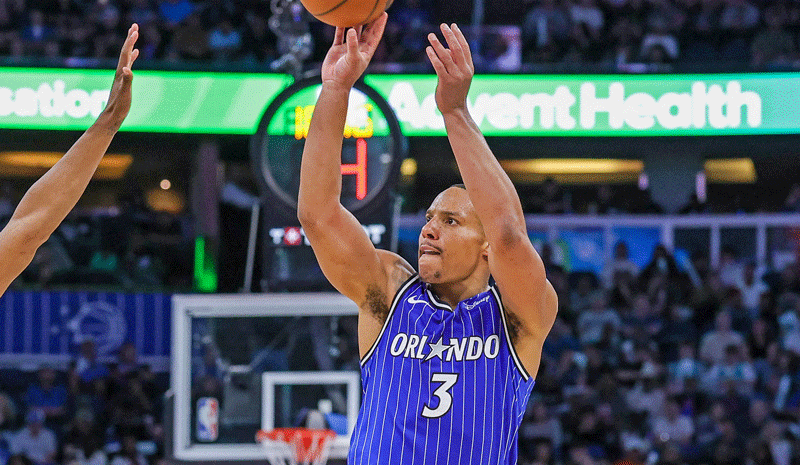
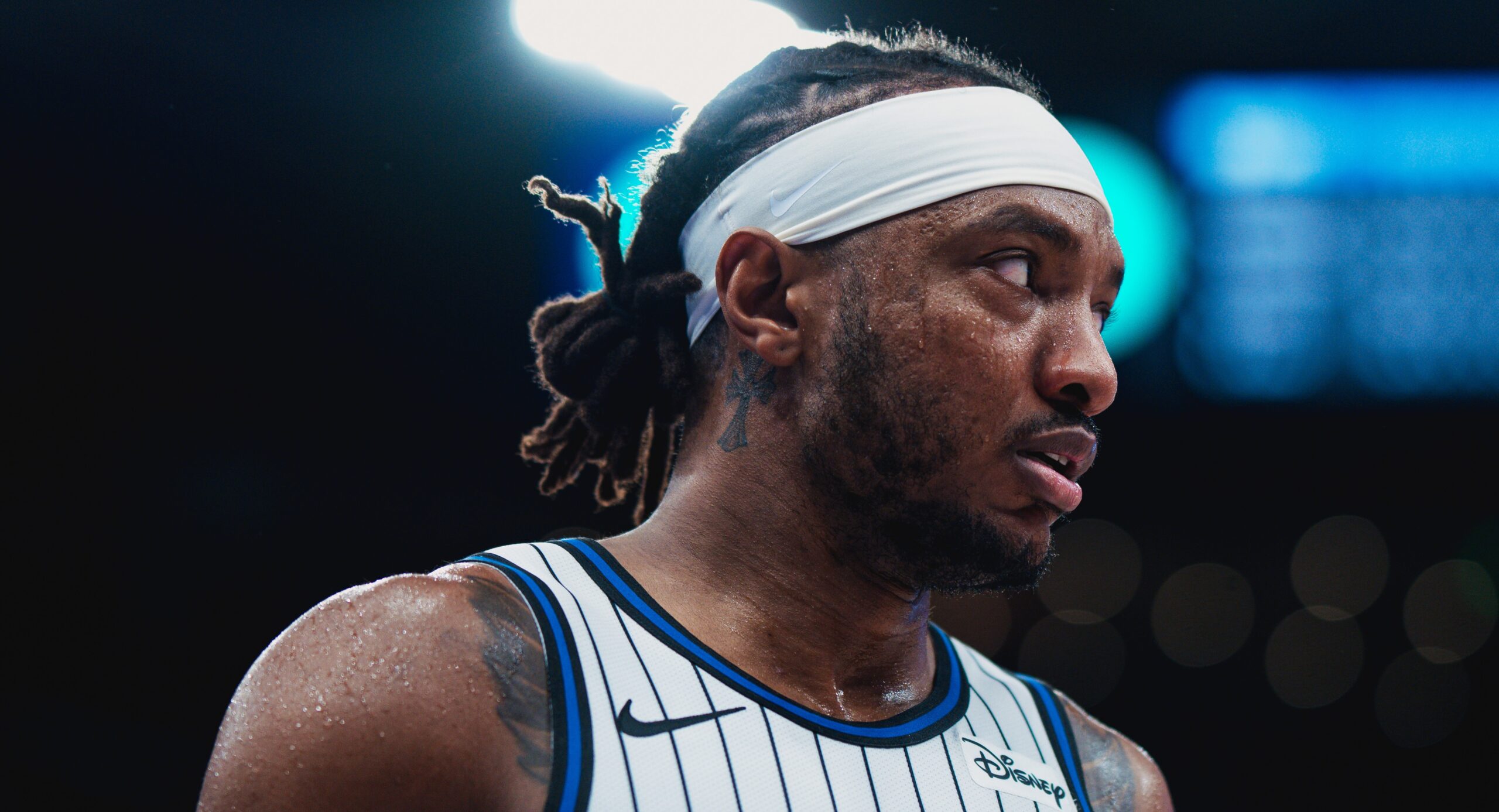
The upcoming matchup between the Orlando Magic (31-28) and the Washington Wizards (16-44) on March 3, 2026, serves as a clear illustration of strategic divergence within professional sports. The significant disparity in records highlights fundamentally different organizational priorities driven by the structural incentives of the NBA. The Magic are positioned on the cusp of playoff contention, prioritizing immediate competitive leverage, while the Wizards are firmly committed to a long-term rebuilding phase, prioritizing future asset accumulation.
Competitive Incentives and Organizational Strategy
The core strategic disparity between the two franchises is rooted in the NBA’s draft lottery system. For the Wizards, a team with a record of 16-44, the structural incentive favors maximizing future potential by securing a high draft pick. This strategy, often termed ‘tanking,’ involves sacrificing immediate competitive success to increase the probability of acquiring top-tier talent in the upcoming draft, a high-value asset for long-term franchise development. The goal shifts from maximizing current victories to preserving future flexibility and identifying core building blocks.
Conversely, the Magic (31-28) face an inverted incentive structure. Their position near the playoff threshold elevates the value of every late-season victory. Securing a higher seed provides home-court advantage, increases short-term revenue potential through ticket sales and media exposure, and validates the current strategic direction for fans and potential free agents. The Magic’s focus transitions from asset accumulation to optimizing current performance and managing resources to ensure peak readiness for the postseason.
Asset Management and Injury Reporting as Strategic Signals
The injury reports of both teams offer critical insights into their respective asset management philosophies. For a rebuilding franchise like the Wizards, player injuries—or even strategic resting disguised as minor ailments—are managed with a long-term perspective. The decision to list key players like Anthony Davis and Cam Whitmore as ‘Out For Season’ or to hold back ‘Day-to-Day’ players (D’Angelo Russell, Trae Young) aligns perfectly with the imperative of asset preservation. Protecting high-value young assets from potential further injury ensures their maximum value for future trades or development. This approach prioritizes future potential over current performance, directly supporting the goal of securing a better draft position.
For the Magic, injury management focuses on short-term optimization for competitive success. The absence of key rotation players such as Franz Wagner (Ankle) and Colin Castleton (Thumb) creates immediate performance gaps that must be mitigated by the remaining roster. Unlike the Wizards, the Magic’s incentive is to return key players to action at full strength as quickly as possible to maintain competitive momentum for the playoff push, demonstrating a direct alignment between health management and immediate strategic goals.
Financial Implications and Market Dynamics
The competitive disparity has direct financial consequences for both franchises and the broader market. A prolonged rebuilding phase, exemplified by the Wizards’ performance, impacts short-term revenue streams from ticket sales, local media contracts, and merchandise. While the long-term goal is to generate greater value with a superstar draft pick, the immediate financial cost is decreased fan engagement and lower attendance, particularly for late-season games with minimal competitive stakes. The Magic’s position as a playoff contender generates increased revenue opportunities, enhances brand value, and strengthens local media partnerships, validating their strategy of short-term competitive leverage.
Betting market dynamics further reflect the strategic disparity. With Orlando heavily favored by 15.5 points, the market perceives low competitive uncertainty regarding the game’s outcome. This leads sophisticated bettors and fantasy sports enthusiasts to shift focus from the game spread to individual player performance props. Analysis of specific player matchups, such as Desmond Bane (averaging 20.3 points, 22.3 at home) against the Wizards’ poor defensive efficiency (surrendering 123 points per game, ranking near the bottom of the league), demonstrates how market analysis exploits the structural vulnerabilities of a rebuilding roster to find value in specific metrics. The Wizards’ defensive struggles are not situational, but rather reflect a strategic prioritization of future asset development over immediate defensive cohesion.
.”
Operational Challenges and Future Outlook
The operational challenges for a rebuilding team like the Wizards include maintaining player morale during a losing season, managing fan expectations, and executing a long-term talent acquisition strategy. High personnel turnover and a focus on future potential over current results create a complex environment for front office management. The Magic face different operational challenges: balancing immediate performance pressure with long-term roster development and managing player health through a demanding schedule. Their ability to transition from a playoff team to a championship contender in subsequent seasons hinges on effective execution during this critical phase.
In conclusion, the game between the Magic and Wizards is more than a single contest; it is a microcosm of opposing strategies in professional sports. The Wizards employ a calculated risk strategy, trading short-term financial performance for potential long-term success through asset accumulation via high draft picks. The Magic pursue immediate returns by maximizing current competitive leverage and capitalizing on short-term revenue opportunities. The market’s adaptation to this disparity, focusing on individual metrics over team results, highlights the complex financial incentives and strategic choices that define a modern NBA franchise.