The Strategic Convergence of Politics and Commercial Spectacle
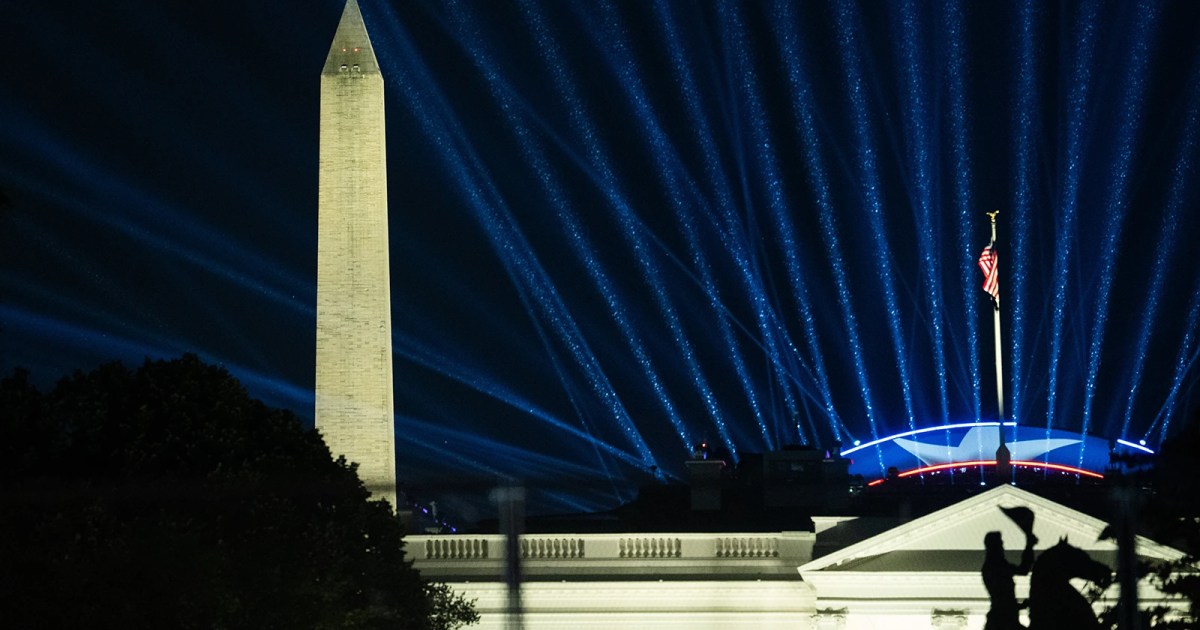
The hosting of the UFC Freedom 250 event on White House grounds marks a significant evolution in executive protocol, effectively repurposing a seat of governance as a commercial media venue. By utilizing the South Lawn and landmarks such as the Lincoln Memorial for promotional displays, the administration has deeply integrated presidential prestige with the commercial apparatus of professional sports.
This ecosystem facilitates unprecedented visibility for corporate sponsors—notably Bud Light, Crypto.com, and Polymarket—against the backdrop of the People’s House. This integration leverages institutional authority to amplify private-sector objectives, effectively transforming the presidency into a focal point for high-stakes sports marketing.
Financial Intersections and Stakeholder Alignment
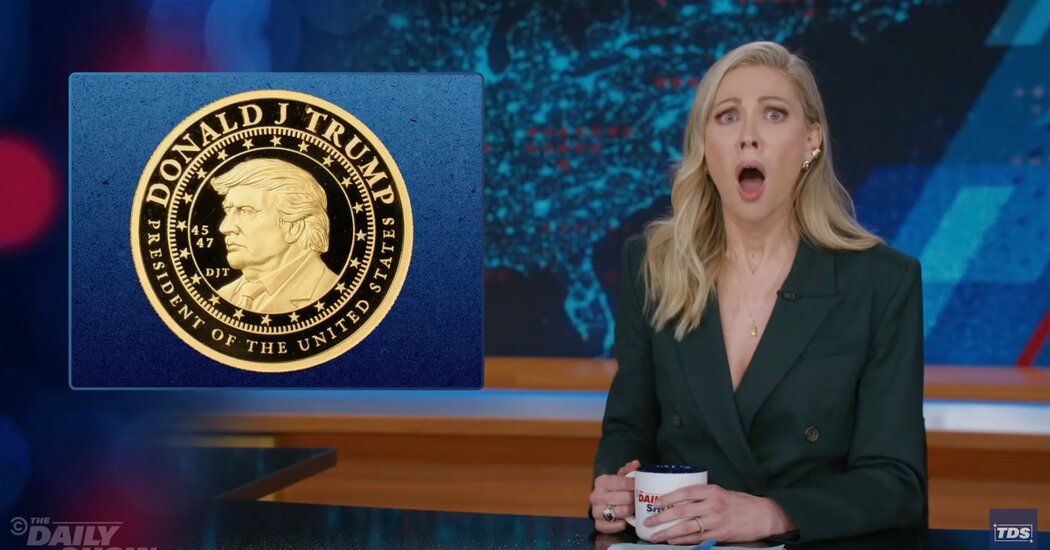
The financial architecture surrounding the event involves direct overlaps between executive activity and personal asset management. Regulatory disclosures from May confirm President Trump’s equity position in the UFC’s parent company, establishing a tangible link between official events and personal wealth accumulation. This synergy is codified through the launch of a collaborative medallion series under the Trump Organization brand. While the organization functions as a licensing entity, the venture illustrates a systematic monetization of the proximity between the Oval Office and high-profile cultural brands.
The Economics of Presidential Branding
The “Trump x UFC Freedom 250” medallion series, priced between $250 and $12,000, functions as a high-margin derivative of the event’s public exposure. By marketing these items as “officially designed” by the President, the Trump family leverages the prestige of the White House to drive direct-to-consumer sales. Managed by Eric and Donald Trump Jr., this licensing model exemplifies an operational strategy centered on the commodification of political celebrity, treating the executive office as a primary value proposition in the current consumer market.
Institutional and Regulatory Implications
Hosting commercial sports events at the White House creates a complex nexus of public duty and private financial gain. The simultaneous promotion of the UFC event, the staging of high-dollar political fundraisers, and the President’s existing equity stake in the organization’s parent company present a critical challenge to traditional notions of administrative transparency. These intersections necessitate a rigorous review of how institutional influence is deployed to enhance the financial performance of associated commercial ventures.
Market Dynamics and Strategic Positioning
The participation of major financial and digital asset firms as sponsors signals a shift in how political platforms are utilized to capture market share. For companies like Crypto.com and Polymarket, association with a White House-hosted event is a calculated attempt to solidify market presence among specific demographics. This blurring of lines between government institutions and commercial entertainment sets a significant precedent, suggesting that the integration of political authority and high-growth sectors may become a consistent feature of modern executive operations.
Long-Term Institutional Consequences
The recalibration of the presidency into a platform for brand-building and commercial promotion introduces enduring pressures on institutional integrity. As transparency protocols struggle to keep pace with these hybrid models of governance and enterprise, regulators and the public must address the systemic implications of such partnerships. The consistent integration of the President’s image with luxury merchandise and commercial spectacle indicates a deliberate departure from past precedents, signaling a new era of commercially-aligned executive leadership.