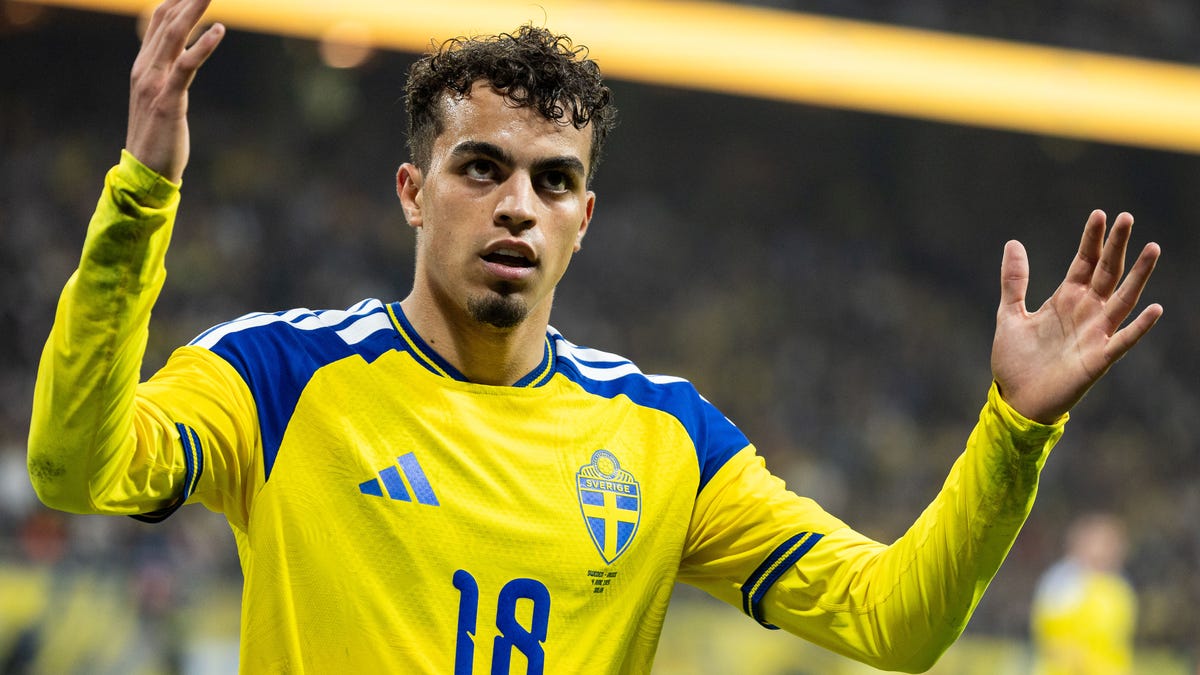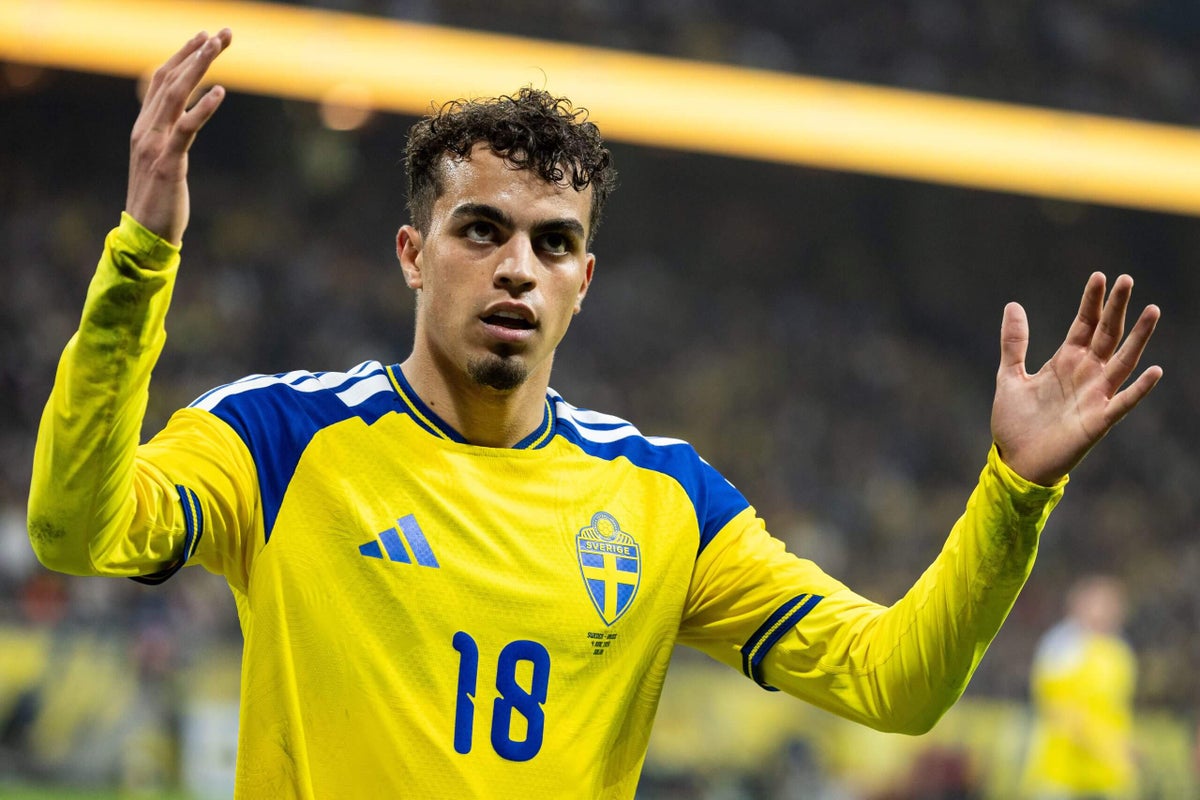
The 2026 World Cup encounter between Sweden and Tunisia in Monterrey, Mexico, represents more than a Group F fixture; it is a clinical manifestation of Sweden’s evolving recruitment and tactical philosophy. At the center of this transition is 22-year-old Yasin Ayari, whose debut encapsulates the intensifying geopolitical struggle for dual-national talent. This match serves as a high-stakes intersection where personal heritage, institutional loyalty, and the ‘Potter effect’ converge on the global stage.
Institutional Retention vs. The Tunisian Recruitment Model
Tunisia’s failure to secure Ayari highlights a significant fissure in their long-term squad architecture. Despite a proactive 2021 intervention by the Tunisian federation—offering a pathway to the 2022 World Cup—the Swedish Football Association’s (SvFF) ability to retain the Brighton-developed midfielder underscores the dominance of European youth development ecosystems. For Tunisia, coached by Sabri Lamouchi, losing Ayari is not merely a personnel deficit; it is a strategic blow to a midfield framework that requires elite-level technicality to compete in a group where they are statistically disadvantaged at 45th in the FIFA rankings.
The ‘Ayari Case’ proves that early integration into national youth setups remains the most robust defense against poaching. Ayari’s progression from the Swedish U-17s to the senior squad provided a professional continuity that familial ties alone could not disrupt. This highlights a broader trend: national associations are no longer just competing for players, but for the developmental environments that shape them.
The Civic Dimension of National Allegiance
The decision-making process behind Ayari’s allegiance introduces a sophisticated moral dimension to sports recruitment. Influenced by his father, Azzouz Ayari, the player’s choice was framed as a civic ‘repayment’ to Sweden for the developmental infrastructure it provided. This perspective shifts the narrative from ancestral sentimentality to institutional gratitude, prioritizing the social contract of the player’s birth country. Despite maternal ties to Morocco—a nation currently ranked 7th globally—Ayari’s alignment with Sweden (ranked 38th) suggests that personal identity and professional environment are primary drivers in modern international career planning.
The Graham Potter Tactical Imprint
The appointment of Graham Potter has catalyzed a shift from Sweden’s historical pragmatism to a structured, club-like operational philosophy. Ayari’s observations on the Dallas training camp reveal the cognitive shift required when moving from ‘survival-mode’ qualifiers to the sophisticated requirements of a World Cup. The transition from interim management to a full-term tournament cycle has allowed Potter to implement the complex positional discipline and high-density tactical schemes synonymous with his Premier League tenure.
In Monterrey, the ‘Potter effect’ will be measured by the team’s ability to move beyond a ‘game-by-game’ mentality. The Dallas sessions, focused on environmental acclimatization and collective positional understanding, represent a professionalization of the national team environment. For Ayari, this structured system provides a familiar, Brighton-esque framework, enabling him to bridge the gap between club form and international stakes.
Operational Realities and Competitive Consequences
The Sweden-Tunisia match serves as a case study in how tactical density can mitigate ranking disparities. For Sweden, a successful integration of Ayari validates their investment in high-profile coaching and youth pathways. For Tunisia, it remains a test of resilience; Lamouchi must find internal solutions to address the technical void left by Ayari’s commitment to the opposition. The outcome in Monterrey will dictate the narrative of Group F: whether Sweden’s tactical modernization can propel them past their statistical standing, or if the emotional weight of heritage will define the encounter.
As the whistle blows, the focus shifts from the logistical precision of the Dallas camp to the visceral reality of the World Cup stage. Ayari’s performance will be scrutinized not just as a debut, but as a validation of a modern sporting project where strategy, heritage, and elite management collide.