The 78th Primetime Emmy Awards: A Barometer of Television’s Present and Future
The 78th Primetime Emmy Awards are poised to honor a dynamic year in television, recognizing standout programming and signaling key industry trajectories. Leading contenders like the medical drama “The Pitt,” the concluding season of the acclaimed comedy “Hacks,” and genre-bending newcomers “Widow’s Bay” and “Pluribus” underscore the current creative output and audience engagement that define contemporary scripted television. Held at LA’s Peacock Theater, the ceremony critically assesses narrative depth, production value, and cultural resonance, setting benchmarks for future content development and investment.
Industry Momentum and the Competitive Landscape
This year’s nominations reflect a vibrant television ecosystem where established genres coexist with emerging ones. The strong performance of narrative-driven shows like “The Pitt” and “Widow’s Bay” indicates a persistent demand for high-quality, character-focused content, influencing production strategies and network acquisitions. The critical success of “Hacks’” final season highlights the industry’s complex relationship with serialized storytelling and planned narrative closure, often paving the way for franchise extensions and brand continuity. The emergence of “Pluribus” as a notable “sci-fi enigma” signifies the genre’s growing critical acceptance and its potential to attract significant audience and investment, pushing creative and technological boundaries.
Red Carpet as a Cultural and Commercial Nexus
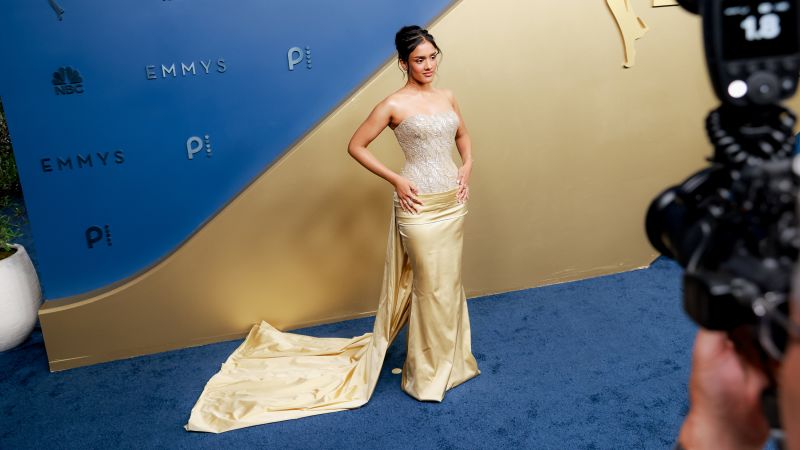
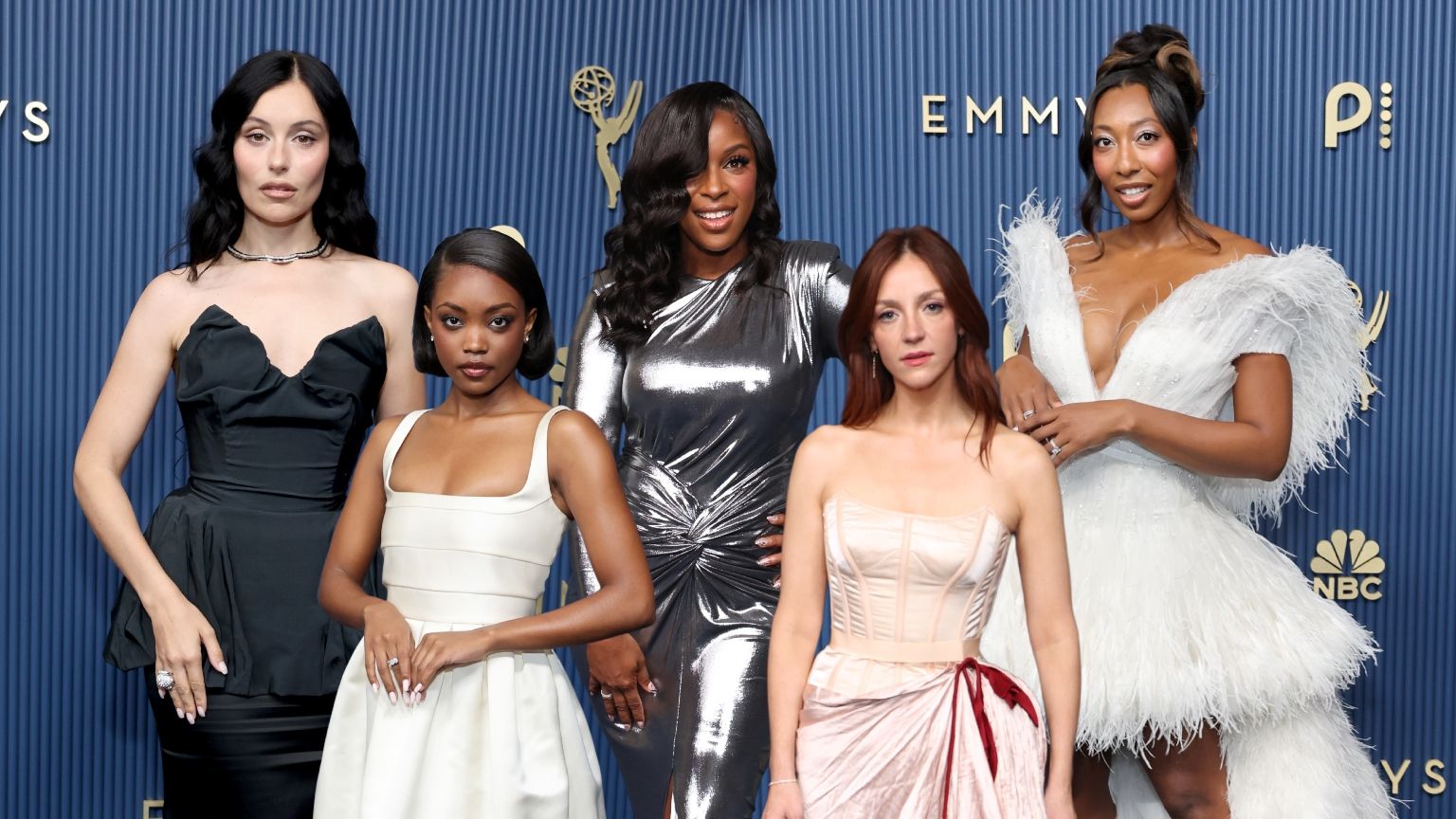
The 78th Primetime Emmy Awards red carpet transcends mere fashion display, acting as a potent cultural and commercial event. Celebrity style choices, from potential archival selections by figures like Zendaya to stylistic tributes by nominees such as Sarah Pidgeon to icons like Carolyn Bessette-Kennedy, illustrate the symbiotic relationship between entertainment, fashion, and cultural commentary. This intersectionality amplifies brand visibility and drives consumer trends. The analysis of these choices by style commentators, such as CNN’s Rachel Tashjian, elevates the discourse beyond aesthetics, exploring how fashion communicates identity, status, and artistic intent. For brands and celebrities alike, strategic sartorial decisions represent a sophisticated form of marketing, influencing perception and driving market demand.
Talent Leverage and Performance Recognition
The breadth of nominated talent, spanning established stars like Quinta Brunson and Ayo Edebiri to rising figures such as Elle Fanning, underscores the industry’s robust talent pipeline and competitive market. The recognition of performances in shows like “The Bear” and “Abbott Elementary” not only elevates individual careers but also enhances the market positioning and commercial value of their respective series. This critical acclaim translates into increased viewership, expanded distribution opportunities, and greater leverage in future contract negotiations for both talent and production entities. The continued prominence of veterans like Lisa Kudrow and Keri Russell alongside stars such as Zendaya reaffirms the enduring marketability and influence of established actors.
Audience Engagement and Media Strategy
The anticipation surrounding the Emmys highlights a deep audience investment in nominated programs, a crucial factor in their cultural and commercial success. The emotional resonance of series finales, such as that of “Hacks,” demonstrates the power of serialized storytelling to foster loyalty and drive viewership. The comprehensive media strategy employed, encompassing live updates, fashion commentary, and editorial analysis, aims to maximize audience engagement across multiple platforms. This multi-faceted approach recognizes the event as a significant cultural spectacle, extending its reach beyond traditional television enthusiasts to encompass fashion and celebrity culture audiences, thereby boosting advertising revenue and maintaining cultural currency.
Stylistic Trends and Broader Cultural Commentary
Celebrity fashion and beauty choices on the red carpet often serve as early indicators of broader trends. Noteworthy styles, such as “low ponytails” being cited as a “major fall hair trend,” demonstrate how public figures influence consumer preferences and industry shifts. The underlying theme of “Big Style: Where culture meets clothing” signifies a move toward deeper fashion analysis, positioning attire as a vehicle for cultural commentary and the articulation of societal values. This sophisticated approach to fashion reporting provides rich material for cultural discourse and brand storytelling, impacting how celebrities and designers cultivate public image and market their influence.
Operational and Financial Implications
The success of nominated shows like “The Pitt” and “Hacks” directly impacts the financial health of their production studios and distribution platforms. Awards recognition can lead to increased licensing fees, higher advertising rates, and enhanced subscription numbers, creating a virtuous cycle of content creation and revenue generation. The competitive nomination landscape influences the talent market, potentially increasing salaries and driving demand for award-winning creatives, necessitating strategic budgeting and talent acquisition. The substantial media attention translates into significant advertising and sponsorship revenue, reinforcing the economic importance of award ceremonies as major media events.
Strategic Positioning and Brand Value Enhancement
For nominated programs, Emmy recognition serves as a powerful validation, enhancing brand value and attracting new audiences. For celebrities, awards nominations and wins boost personal brand value, leading to increased endorsement opportunities and lucrative partnerships. This enhanced profile allows them to command higher fees and exert greater influence in project selection, making strategic award season appearances a critical component of personal brand management. For fashion designers, red carpet visibility offers invaluable exposure, driving consumer interest and sales, and influencing both high fashion and mass-market trends through strategic celebrity-designer alignments.
Future Implications and Industry Trajectories
The sustained success of narrative-driven dramas and sophisticated comedies suggests an ongoing demand for high-quality storytelling, shaping future content development. The rise of genre programming indicates a broadening critical acceptance and potential for increased investment in ambitious, innovative narratives. The enduring influence of the red carpet as a cultural and commercial nexus confirms its continued importance in shaping fashion trends and celebrity branding, suggesting deepening collaborations between entertainment and fashion industries.