Dialectics of Commemoration: Aesthetic vs. Constitutional Power
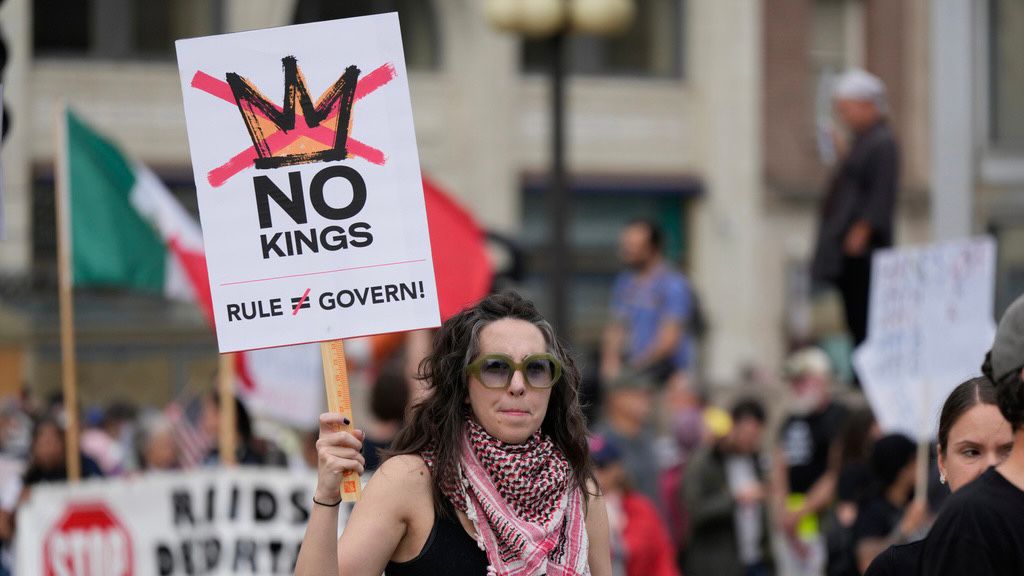
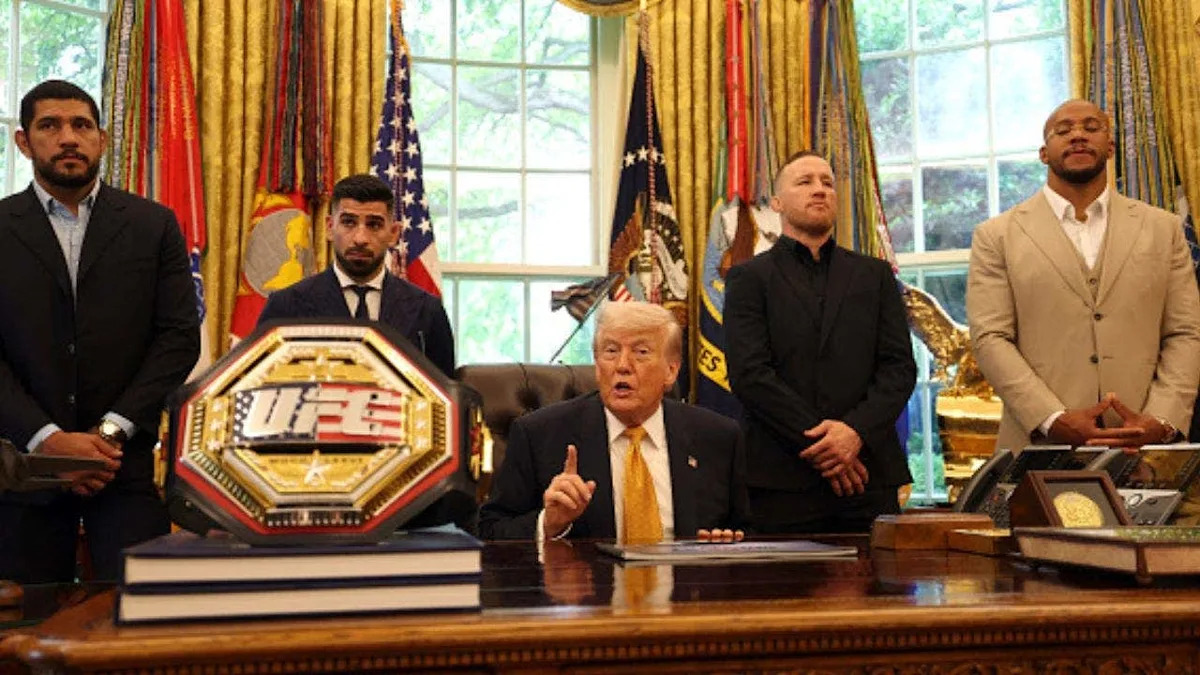
The temporal alignment of the White House UFC gala and the ‘No Kings’ coalition’s ‘Rise Up, Sing Out’ concert signifies a profound schism in the strategic utilization of national milestones. While the executive branch employs the cultural capital of combat sports to celebrate the United States’ 250th anniversary, the opposition has deployed a sophisticated institutional framework to contest the prevailing narrative. This divergence transcends aesthetic preference, representing a calculated allocation of resources intended to signal long-term political durability and institutional resistance.
By situating its primary event at The Town Hall in New York City, the coalition establishes a geographic and cultural counterweight to Washington’s executive theater. This maneuver allows the movement to frame its advocacy for the First Amendment as a populist reclaim of constitutional space. Leveraging high-profile cultural figures, the movement seeks to convert abstract concerns regarding ‘strongman’ governance into a tangible, mainstream cultural identity, effectively challenging the administration’s attempt to monopolize the national anniversary discourse.
The $3B Architecture: Institutional Scale and Operational Capacity
Internal data confirms that the ‘No Kings’ coalition comprises approximately 400 organizations with a combined annual revenue nearing $3 billion. This financial magnitude indicates a professionalized, well-capitalized apparatus capable of sustained operational pressure rather than a fleeting grassroots surge. This scale supports the complex logistics required to coordinate hundreds of decentralized watch parties alongside confrontational interventions such as the ‘Rage Against The Cage!’ protest at McPherson Square.
The strategic decision to livestream the concert to hundreds of community hubs serves the dual objective of geographic decentralization and digital data acquisition. By moving beyond localized activation, the coalition is constructing a national infrastructure scalable for future political cycles. This operational reach transforms a 90-minute cultural performance into a sophisticated organizing tool, bridging the gap between high-level celebrity advocacy and precinct-level electoral mobilization for the upcoming midterms.
Tactical Friction and Internal Volatility
The emergence of UFC fighter Sean Strickland as a dissenter at the White House introduces a layer of strategic friction within the executive branch’s preferred medium. Strickland’s public intent to protest at the event site illustrates the inherent volatility of using professional sports as a political branding vehicle. This development highlights the risk of institutional capture when individual actors within those ecosystems leverage their platforms to challenge the host institution’s narrative.
Furthermore, the participation of ‘Refuse Fascism’ underscores a tiered strategic approach. While the ‘No Kings’ concert prioritizes mainstream cultural appeal, the McPherson Square protests provide a radical edge to the mobilization. This multi-pronged strategy engages diverse levels of political intensity, maximizing total pressure on the executive narrative from both the cultural center and the activist periphery. Ultimately, the durability of this $3 billion network will be measured by its ability to convert these spectacles into a sustained legislative and electoral force.