A Penultimate Episode’s Promise
The penultimate episode of any television series often carries a unique weight. It’s a time for narrative threads to converge, for simmering conflicts to reach a boiling point, and for revelations that reframe everything that has come before. “The Handoff,” Fallout Season 2, Episode 7, masterfully navigates this delicate balance, delivering a classic setup for the season finale while offering enough self-contained intrigue and character development to stand on its own.
This episode, available for streaming on Prime Video, dives deep into the mythology of the Fallout universe, particularly focusing on a character whose motivations and history were previously shrouded in mystery. It’s an installment that doesn’t just advance the plot; it expands our understanding of the moral complexities that define this post-apocalyptic world.
Unearthing a Past Self
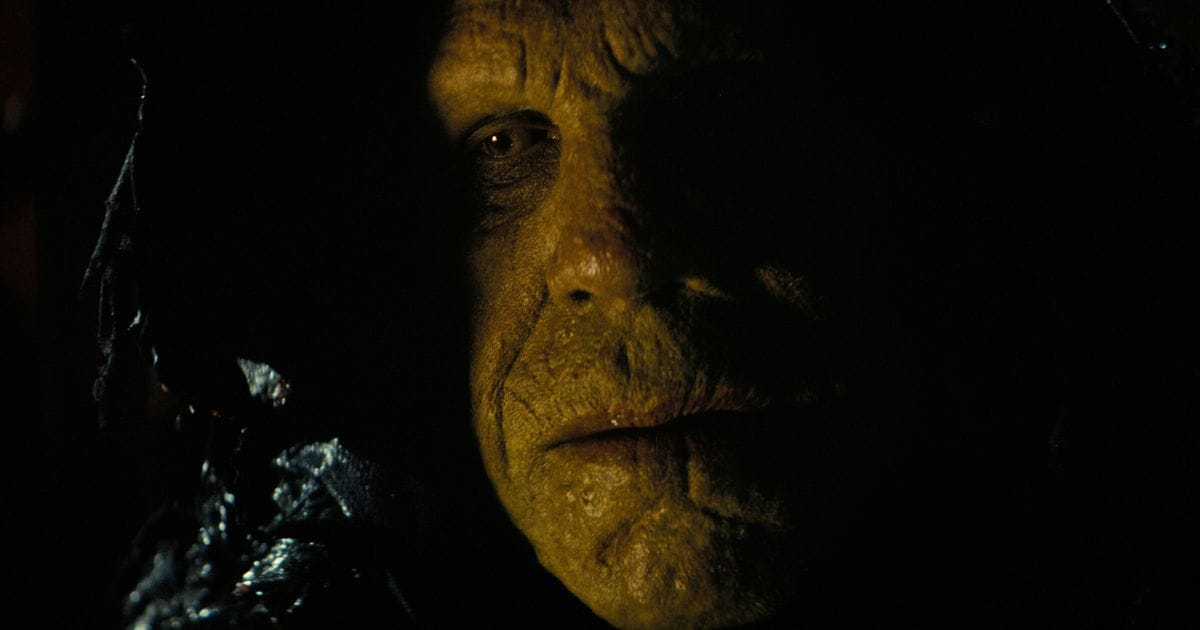
The most significant revelation of “The Handoff” comes through the exploration of Vault Overseer Steph Harper’s past. When Chet uncovers her old ID, a startling truth emerges: she is more than two centuries old. This isn’t just a number; it’s a gateway into understanding a life lived across eras, a perspective shaped by the very cataclysm that created the wasteland.
This discovery fundamentally alters the perception of Steph. What might have been seen as cold, calculating villainy is recontextualized through the lens of immense age and experience. The show suggests that her actions, however harsh, stem from a profound understanding of survival and the long game, a perspective only achievable through decades, even centuries, of observation and adaptation.
From Antagonist to Empathy
The episode artfully transitions Steph from a formidable antagonist into a figure capable of eliciting sympathy. The writers have laid the groundwork for this shift by providing a glimpse into her origins and the circumstances that forged her character. This allows the audience to connect with her on a more human level, even as her actions may remain morally ambiguous.
Martha K., the actress portraying Diane Welch, also delivers a compelling performance, embodying a character who is both easily flustered and incredibly principled. While the focus on Steph is paramount, other characters also experience significant development, adding further depth to the unfolding narrative. The interplay between these characters, their pasts, and their present struggles creates a rich tapestry of human drama against the desolate backdrop of the wasteland.
The Weight of History and Survival
Fallout’s setting is inherently tied to the concept of survival, not just for individuals but for the remnants of humanity and the ideals they cling to. Steph’s extended lifespan offers a unique vantage point on this struggle. She has witnessed the long-term consequences of decisions made in the pre-war era and likely the early days of the Vaults.
Her knowledge and experience, accumulated over centuries, would provide her with an unparalleled strategic advantage. This perspective might also breed a certain detachment or ruthlessness, born from the necessity of making difficult choices for the perceived greater good, or perhaps for her own long-term survival. The revelation of her age immediately prompts questions about her true goals and the extent of her influence.
O Canada: A Nod to the North
The episode also touches upon the broader world of Fallout, including references like “O Canada.” This subtle nod suggests that the consequences of the Great War, and the subsequent societal structures, extended far beyond the initial focus areas of the series. It implies a global reach to the Fallout narrative, hinting at stories and characters that have been shaped by the same apocalyptic event but in different geographical and cultural contexts.
Such references add layers to the world-building, reminding viewers that the Vaults, the radiation, and the mutated creatures are not isolated phenomena. The struggle for survival and the rebuilding of society are universal themes within the Fallout lore, and a mention of Canada broadens the canvas significantly.
The Penultimate Polish
As a penultimate episode, “The Handoff” excels in its ability to weave multiple plot threads together. The “new twists placed on a simmer” suggest that the season finale will be a culmination of carefully laid plans and unexpected developments. The “little self-contained action” serves as a palate cleanser, providing immediate gratification while still serving the larger narrative purpose.
This structure is crucial for maintaining audience engagement. It allows for moments of immediate excitement and resolution within the episode, preventing the build-up to the finale from feeling solely like exposition. The “most curious of the” elements, whatever they may be, are left to linger in the viewer’s mind, fueling anticipation for the final installment.
A Character Reimagined
Ultimately, the strength of Fallout Season 2, Episode 7, lies in its character work. By revealing Steph Harper’s extraordinary longevity and the history that shaped her, the series takes a significant step in humanizing a potentially menacing figure. It challenges the audience to reconsider their assumptions about villains and the shades of gray that define survival in a world irrevocably altered by nuclear devastation.
The episode serves as a powerful reminder that in the wasteland, everyone has a story, and those stories are often far more complex and tragic than they initially appear. It’s this depth of character and narrative ambition that makes Fallout a compelling watch, promising a thrilling conclusion to the season.