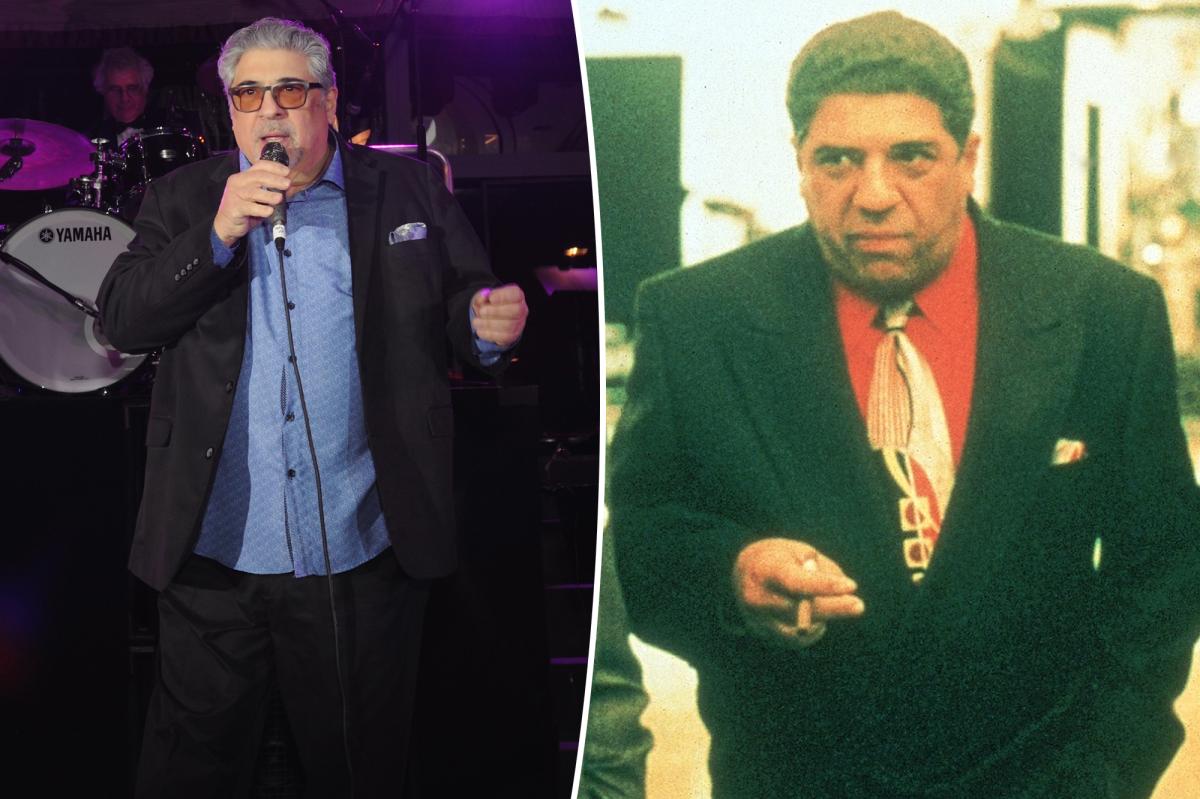
Vincent Pastore, Iconic ‘Sopranos’ Actor, Dies at 80
Vincent Pastore, a veteran actor celebrated for his compelling portrayals of mobsters, most notably Salvatore “Big Pussy” Bonpensiero in HBO’s seminal drama *The Sopranos*, has died at the age of 80. His passing was reported by Deadline, with initial accounts placing his discovery in his Bronx residence on August 1st.
The circumstances surrounding Pastore’s death are reportedly under official investigation. A neighbor had not seen him for three days prior to his discovery, prompting concern and subsequent inquiry. This period of unknown activity necessitates a thorough examination of the actor’s final hours.
Born in the Bronx on July 14, 1946, Pastore’s early life included a stint in the Vietnam War and a degree in drama from Pace University. His nascent film career in the 1990s saw him feature in significant crime dramas such as *Goodfellas*, *Carlito’s Way*, and *Men of Respect*, establishing a foundation for his later acclaimed roles.
Further recognition came with roles in the 1995 film *The Jerky Boys: The Movie* and the 1996 HBO TV movie *Gotti*. These projects solidified his presence in the crime genre and provided early on-screen collaborations with future *Sopranos* castmates like Tony Sirico and Dominic Chianese, hinting at the trajectory of his career.
It was David Chase’s groundbreaking 1999 series, *The Sopranos*, that cemented Pastore’s legacy. His performance as Salvatore “Big Pussy” Bonpensiero, Tony Soprano’s consigliere and trusted enforcer who later became an FBI informant, remains one of the series’ most complex and memorable character arcs. The dramatic execution of this character was a pivotal moment, underscoring the show’s unflinching exploration of loyalty and betrayal.
Bonpensiero appeared in 30 episodes across *The Sopranos*’ six seasons, a substantial presence despite his character’s eventual betrayal and demise. The on-screen murder of Big Pussy by Tony Soprano, Paulie Walnuts, and Silvio Dante in the Season 2 finale in 2000 was a watershed moment, emblematic of the show’s sophisticated narrative and brutal realism.
Pastore himself alluded to the precarious nature of his character’s storyline. In a 2000 interview, he expressed awareness of his character’s limited lifespan on the show, though the specifics of his exit remained undisclosed until closer to filming. Creator David Chase reportedly found writing the pivotal scene exceptionally challenging, highlighting its narrative significance.
The actor’s extensive filmography also includes notable credits such as *Mickey Blue Eyes* and *Two Family House*, demonstrating his versatility beyond his most iconic role. His career consistently featured characters operating within the criminal underworld, a thematic throughline that defined his public persona and professional output.
Pastore’s passing signifies the end of an era for fans of *The Sopranos* and for those who appreciated his contributions to the crime drama genre. His ability to imbue characters with a potent mix of menace and vulnerability resonated deeply, enriching the television landscape.
The ongoing investigation into the circumstances of his death, a standard procedure in such cases, underscores public interest in the lives of prominent figures. This process aims to establish facts and provide closure, while potentially illuminating contributing factors to his passing.
Vincent Pastore’s legacy is inextricably linked to the cultural phenomenon of *The Sopranos*. The series redefined television storytelling, and its characters, including Big Pussy, became deeply embedded in popular culture. Pastore’s portrayal was instrumental in the show’s authentic depiction of organized crime dynamics, earning him critical acclaim and a devoted following.
His early work, particularly in films like *Goodfellas*, positioned him within a lineage of actors adept at portraying the gritty realities of mob life. This established him as a recognizable presence in the genre, making his casting in *The Sopranos* a natural fit, capitalizing on his existing screen presence and thematic suitability.
The narrative arc of Big Pussy Bonpensiero, from trusted confidant to informant and eventual victim, provided Pastore with a significant dramatic canvas. The character’s betrayal and subsequent execution were not mere plot devices but served to underscore the brutal code of honor and pervasive paranoia within the mob world depicted in the series.
The strategic decision by David Chase and the writing team to eliminate such a central character midway through the series highlighted the show’s commitment to narrative integrity and its willingness to subvert audience expectations. This bold storytelling, exemplified by Big Pussy’s fate, was a key factor in *The Sopranos*’ critical and commercial success, influencing subsequent television dramas.
Pastore’s subsequent career, while perhaps not reaching the same stratospheric heights, demonstrated continued dedication to his craft. He remained an active participant in the film and television industry, often leveraging his established persona while exploring new characterizations.
The examination of his death by authorities, while routine, also brings renewed focus to the actor’s life and career. It serves as a moment for reflection on his contributions to cinema and television, particularly his pivotal role in one of the most influential television series of all time.
The Bronx, his birthplace and residence, serves as a geographical anchor to his life story, connecting his personal narrative to the urban landscape often depicted in the crime dramas he starred in. This grounding adds authenticity to his on-screen portrayals.
The discovery of his death by a neighbor highlights the often-unseen personal connections that exist even for public figures, underscoring the human element behind the celebrity.
The reporting by outlets like Deadline and Page Six, along with efforts to contact Pastore’s representatives, illustrates the media’s role in disseminating news of cultural figures and the verification process essential for informing the public.
The developing nature of this story, as indicated by multiple outlets, reflects the ongoing process of information gathering and confirmation in real-time reporting, allowing for the gradual unveiling of details while maintaining journalistic integrity.
Pastore’s career, spanning decades, represents a significant chapter in American television and film history, particularly within the crime genre. His passing is a notable event within the entertainment industry, prompting retrospectives and tributes.
The investigation into the circumstances of his death, though somber, is a necessary procedural step. Its outcome will contribute to the complete record of this notable actor’s life and passing.
The enduring popularity of *The Sopranos* ensures Pastore’s performance will continue to be revisited and analyzed by new generations. His character’s complex journey and dramatic exit remain a significant point of discussion among fans and critics.
The actor’s background, including military service and academic pursuits, offers a broader perspective on his life beyond his on-screen persona, contributing to a more complete understanding of the individual.
The media’s coverage of his death, from initial reports to ongoing updates, reflects public engagement with the lives of influential artists, playing a key role in shaping perception and commemorating significant figures.
The investigation’s focus on the circumstances of his death is standard journalistic practice, aimed at providing a factual account, with its results of interest to those following the story for a comprehensive understanding.
The impact of Pastore’s work on *The Sopranos* cannot be overstated. His portrayal of Big Pussy was instrumental in establishing the show’s authentic and often brutal depiction of mob life, contributing to its critical acclaim and cultural significance.
The narrative arc of Big Pussy, a character torn between loyalty and self-preservation, provided a compelling human element within the criminal underworld. This complexity allowed Pastore to showcase his acting prowess, earning widespread recognition and admiration.
The decision to kill off such a beloved character demonstrated the show’s commitment to narrative integrity and its willingness to explore darker aspects of its subject matter, cementing *The Sopranos*’ reputation as a groundbreaking series.
Pastore’s career serves as an example of an actor who found a defining role that resonated deeply with audiences. His contribution to *The Sopranos* has secured his place in television history, ensuring his legacy endures.
The ongoing investigation into the circumstances of his death underscores the importance of factual reporting and the need for thoroughness in sensitive matters, with the media’s role in responsibly relaying this information being paramount.
The actor’s long career, marked by memorable performances, represents a dedication to his craft. His passing is a loss to the entertainment industry and a moment of remembrance for his significant contributions.
The narrative of Big Pussy Bonpensiero’s betrayal and demise remains a critical juncture in *The Sopranos*’ storytelling. Pastore’s performance in these pivotal moments was crucial to the emotional impact of the series.
The actor’s connection to the Bronx, his birthplace, adds authenticity to his portrayals of characters often rooted in specific urban environments, an important contextual element of his on-screen presence.
The discovery of his death by a neighbor highlights the personal realities that accompany public life, serving as a reminder of individual narratives unfolding away from the spotlight.
The media’s coverage of this developing story demonstrates the rapid dissemination of news in the digital age, with the process of verification and updating being a continuous effort to provide accurate information.
Vincent Pastore’s legacy is firmly established through his iconic role in *The Sopranos*. His performance as Big Pussy Bonpensiero will continue to be celebrated and analyzed for years to come.
The investigation into the circumstances of his death is a procedural necessity that will contribute to the factual record, with its outcome of interest to those closely following this news.
His career, characterized by memorable portrayals of complex characters, has left an indelible mark on the landscape of television and film.
The dramatic arc of Big Pussy provided Pastore with a platform to showcase his talent, contributing significantly to the critical success of *The Sopranos*.
The actor’s enduring connection to his Bronx roots adds a layer of authenticity to his performances, particularly in roles set within urban environments.
The discovery of his passing by a neighbor underscores the personal aspects of life, even for well-known public figures.
The media’s ongoing reporting on this developing story reflects the dynamic nature of news dissemination and the continuous effort to provide accurate updates.
Vincent Pastore’s legacy as Big Pussy Bonpensiero in *The Sopranos* is a testament to his talent and his lasting impact on television history.
The investigation into the circumstances of his death is a standard procedure, aimed at establishing a factual account of events.
His career, marked by memorable performances in the crime genre, highlights his significant contributions to the entertainment industry.
The character of Big Pussy Bonpensiero, with his complex motivations and dramatic fate, allowed Pastore to deliver a performance that remains a highlight of *The Sopranos*.
The actor’s connection to his Bronx origin adds a layer of authenticity to his portrayals, particularly in roles set within urban landscapes.
The discovery of his passing by a neighbor serves as a poignant reminder of the personal connections that exist beyond public life.
The media’s coverage of this developing story reflects the dynamic nature of news reporting and the commitment to providing accurate and timely updates.
Vincent Pastore’s enduring presence as Salvatore “Big Pussy” Bonpensiero in *The Sopranos* has secured his place in television history, a legacy that will continue to be celebrated.
The investigation into the circumstances surrounding his death is a standard procedural measure aimed at establishing a factual record of events.
His career, marked by memorable performances within the crime drama genre, highlights his substantial impact on the entertainment landscape.
The character of Big Pussy Bonpensiero, with his intricate narrative arc and dramatic conclusion, provided Pastore with a significant opportunity to showcase his acting abilities, contributing to the critical success of *The Sopranos*.
The actor’s ties to the Bronx offer a contextual foundation for his performances, particularly in roles that are set within urban environments, lending an authentic quality to his portrayals.
The discovery of his passing by a neighbor serves as a poignant illustration of the personal realities that exist independently of an individual’s public profile, highlighting the human element that transcends celebrity.
The media’s continuous coverage of this developing narrative reflects the dynamic and evolving nature of news reporting, emphasizing the ongoing commitment to delivering accurate and up-to-the-minute information to a broad audience.
Vincent Pastore’s lasting impact as Salvatore “Big Pussy” Bonpensiero on *The Sopranos* has firmly established his legacy within the annals of television history, ensuring his contributions will be remembered and appreciated.
The investigation into the circumstances surrounding his death is a necessary procedural step, designed to construct a comprehensive and factual account of the events that transpired.
His career, distinguished by a consistent presence in the crime drama genre and a series of memorable portrayals, underscores his significant and lasting influence on the entertainment industry.
The character of Big Pussy Bonpensiero, characterized by his complex internal conflicts and ultimately tragic fate, offered Pastore a substantial platform to demonstrate his acting talents, thereby significantly contributing to the critical acclaim and enduring popularity of *The Sopranos*.
The actor’s deep-seated connection to the Bronx provides a foundational element to his performances, particularly in roles that are situated within urban settings, thereby imbuing his portrayals with a distinct and authentic resonance.
The discovery of his passing by a neighbor serves as a poignant illustration of the personal realities that exist independently of an individual’s public profile, highlighting the human element that transcends celebrity.
The media’s continuous coverage of this developing narrative reflects the dynamic and evolving nature of news reporting, emphasizing the ongoing commitment to delivering accurate and up-to-the-minute information to a broad audience.