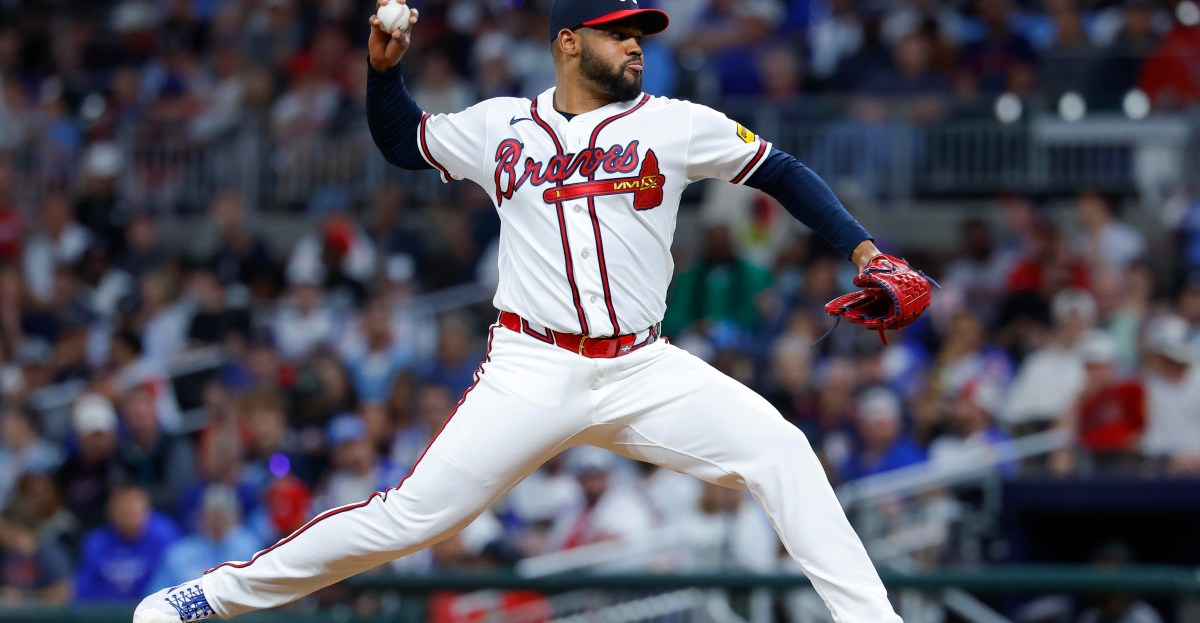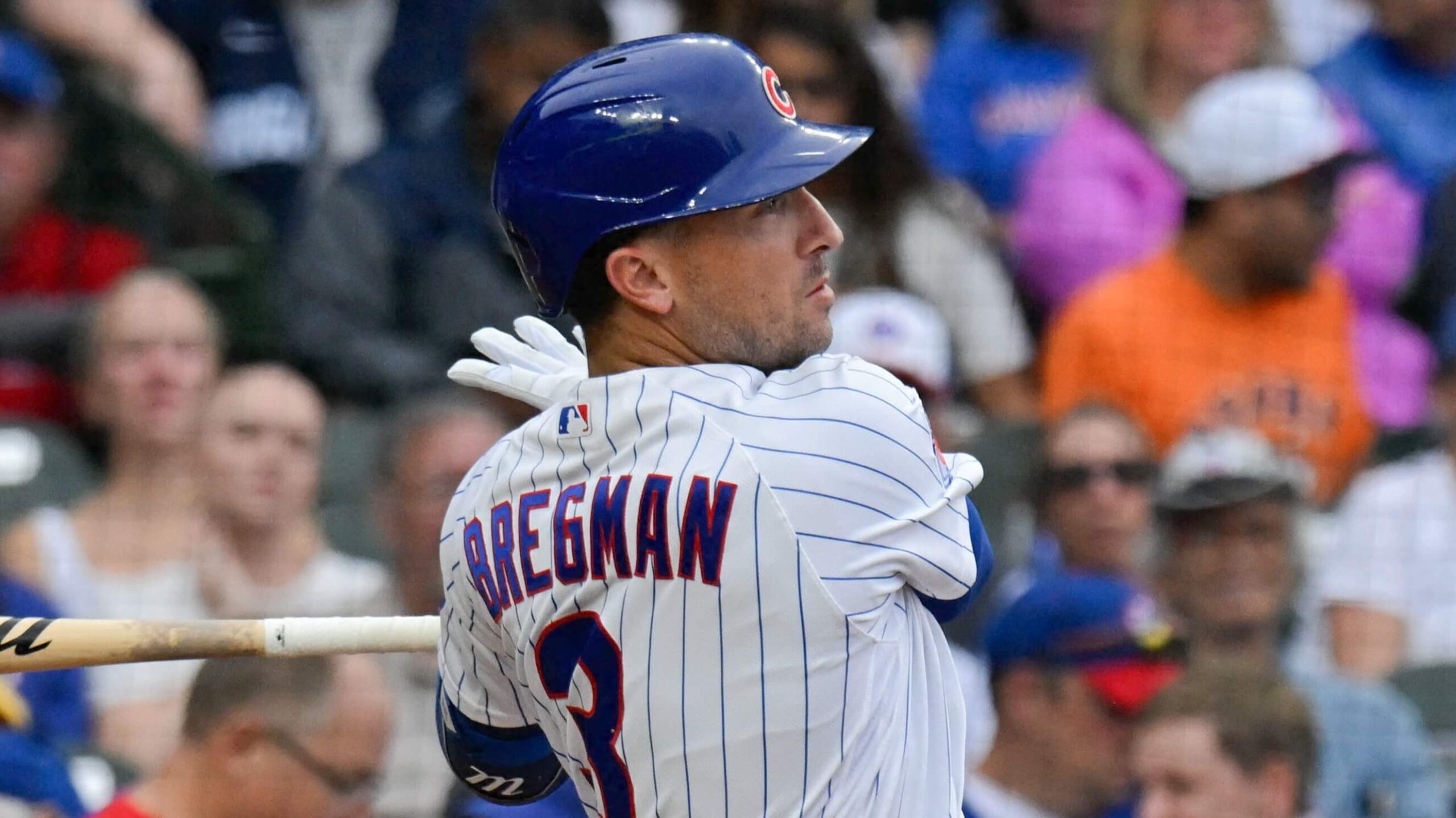
The Atlanta Braves navigate the terminal phase of their sixteen-game September gauntlet facing a unique statistical paradox. Despite a neutral 5-5 split over their last ten games, the organization’s divisional win probability has ascended to a near-certain 99 percent. This security shifts the objective from accumulating wins to optimizing the roster for a deep postseason trajectory.
Rotation Diagnostic: The Lopez Recovery Arc
The series opener at Wrigley Field serves as a critical diagnostic for Reynaldo Lopez. Returning from a knee injury, Lopez’s previous outing revealed significant mechanical rust, surrendering six runs in under five innings. More concerning are the underlying metrics: a 5.00 xERA and 4.35 xFIP suggest that his struggles are rooted in structural vulnerability rather than statistical variance.
For the Atlanta front office, this start is a litmus test for October. If Lopez cannot mitigate high hard-hit rates and stabilize his command, the Braves may be forced to recalibrate their pitching hierarchy, potentially demoting the right-hander in the postseason depth chart.
Offensive Reconstruction: The Cubs’ Surge
The Chicago Cubs enter this matchup as a high-variance disruptor. During the second half of the 2026 campaign, Chicago has ranked first in the league in wOBA against right-handed pitching. Supported by elite xwOBA rankings over the last 30 days, their run production is now verified by sustainable contact quality and disciplined plate appearances.
In contrast to Lopez’s volatility, Cubs starter David Peterson offers a high floor, having allowed two runs or fewer in 80 percent of his last ten starts. His ability to maintain a .314 wOBA in home appearances provides Chicago with a distinct advantage in starting pitcher efficiency.
Environmental Factors and Tactical Adjustments
Wrigley Field’s microclimate remains a decisive variable. Forecasts indicate significant wind blowing out toward left field, an atmospheric condition that historically inflates HR/FB rates. This necessitates a shift in pitching philosophy toward ground-ball induction; for a struggling Lopez, the environment increases the risk of a catastrophic, wind-aided rally.
Market sentiment reflects these conditions, with the Over/Under set at 9.5 and the Cubs positioned as home favorites with a 58.3 percent implied win probability. The financial markets are clearly pricing in the mismatch between Peterson’s stability and Lopez’s recent regression.
Institutional Implications of Divisional Security
Atlanta’s five-game lead over the Philadelphia Phillies grants them a strategic buffer. This allows the Braves to treat high-leverage games as a laboratory for player evaluation. While the Cubs are fighting for postseason legitimacy, the Braves are focused on physical preservation and identifying which arms can be trusted in high-intensity divisional series environments.
Ultimately, this series represents the convergence of two distinct philosophies: Atlanta’s pursuit of championship-ready health and Chicago’s data-driven offensive resurgence. The data points gathered at Wrigley will dictate the narrative momentum for both clubs as they approach the regular season’s conclusion.