Russian Superyacht Nord Transits Blockaded Strait of Hormuz
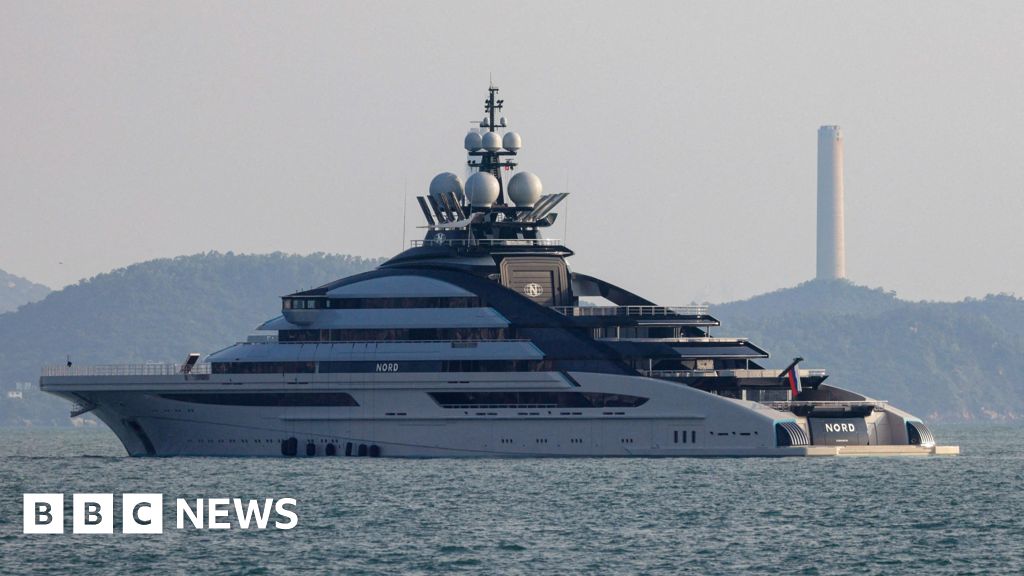
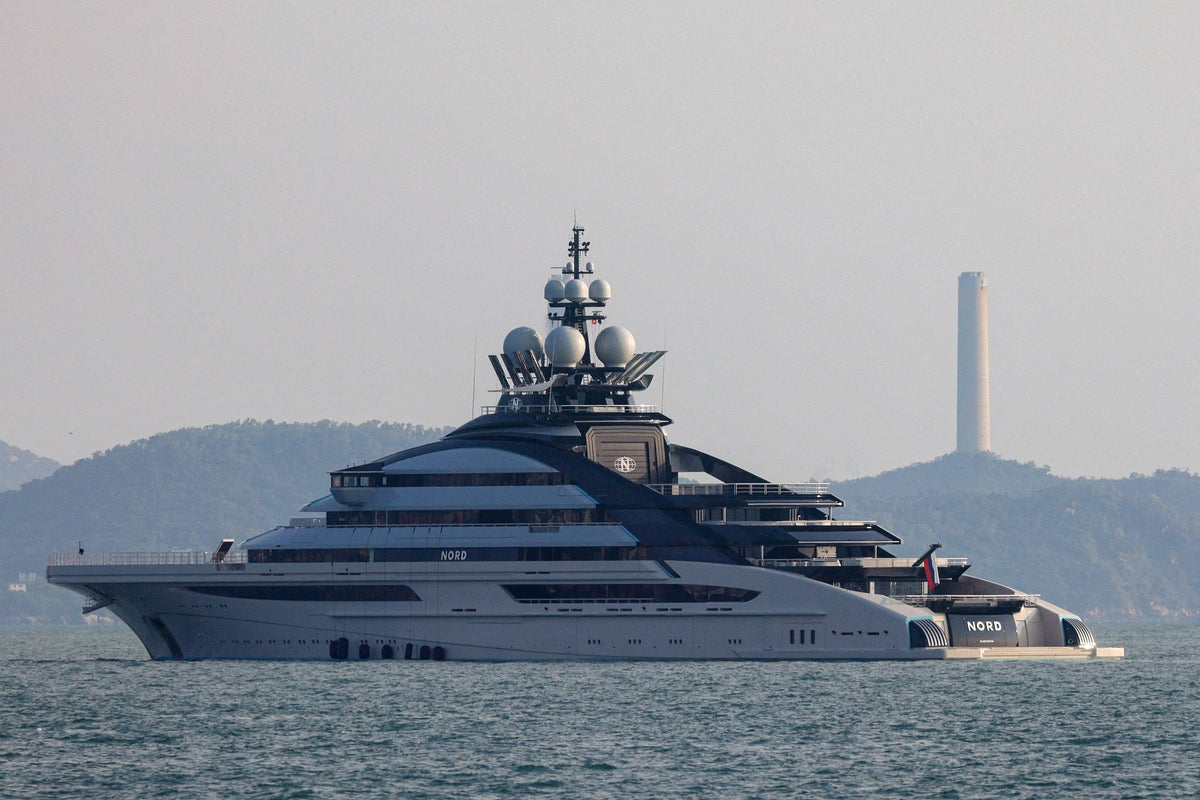
The 142-meter superyacht Nord, reportedly linked to sanctioned Russian billionaire Alexey Mordashov, has successfully navigated the Strait of Hormuz. This transit occurred despite significant restrictions on maritime traffic imposed by Iran in the critical waterway, which is central to heightened geopolitical tensions.
Nord’s passage from Dubai to Muscat, Oman, over the weekend represents a notable instance of a private vessel traversing the strait under current conditions. The yacht’s journey exposes the complex operational realities and potential loopholes that persist even amidst declared blockades and international sanctions.
Strategic Implications of the Transit
The Nord’s successful transit highlights ongoing challenges in enforcing maritime blockades and sanctions, particularly in vital chokepoints like the Strait of Hormuz. Iran’s allowance of such passages, whether through negotiation or tacit agreement, could be interpreted as an assertion of control over its territorial waters amidst international pressure.
For the United States and its allies, the incident reveals vulnerabilities in enforcement mechanisms designed to isolate sanctioned entities and disrupt illicit financial flows. It questions the efficacy of current interdiction strategies and the capacity of sophisticated actors to exploit maritime routes, irrespective of broader geopolitical constraints.
Financial and Ownership Complexities
Valued at over $500 million, the Nord is linked to Alexey Mordashov, who faces international sanctions. However, he is not the formal owner; records indicate the vessel was registered to a firm owned by his wife in 2022, a common strategy to obscure direct ownership and maintain asset access.
This intricate ownership structure suggests a deliberate effort to shield the yacht from asset freezes and travel bans. The continued operation and transit of such high-value assets through sensitive zones underscore the financial engineering and legal maneuvering underpinning the global offshore asset market for ultra-high-net-worth individuals operating under sanctions.
Operational and Logistical Considerations
While the precise conditions for Nord’s permission to traverse the Strait of Hormuz remain undisclosed, its journey from Dubai on Friday to Muscat on Sunday, as logged by MarineTraffic, indicates a pre-planned operation.
The ability of such a large and high-profile vessel to transit suggests a degree of coordination or tacit approval, potentially involving bilateral discussions between Iran and the vessel’s operators or flag state. This operational detail implies that even de facto blockades can be navigated through specific channels, raising questions about the selectivity and comprehensiveness of maritime control.
Market and Economic Impact Analysis
The Strait of Hormuz is crucial for global energy supply, handling about one-fifth of the world’s crude oil and LNG. Current restrictions have significantly reduced maritime traffic, with daily passages dropping from an average of 125-140 to a handful of mainly merchant vessels.
The continued transit of non-essential, high-value private vessels like the Nord, while commercial traffic is curtailed, could exacerbate market anxieties. It highlights the selective application of restrictions and may fuel speculation about the underlying motivations and beneficiaries of these controls, potentially impacting energy market stability and commercial shipping insurance premiums.
Geopolitical Context and Iran-Russia Relations
This incident coincides with high-level talks between Iran and Russia, both nations facing extensive international sanctions. This diplomatic engagement suggests a deepening strategic alignment, potentially leveraging shared challenges to circumvent Western economic pressures.
The passage of a Russian-linked vessel through a waterway where Iran exercises significant influence can be viewed as a tacit demonstration of this burgeoning partnership, signaling a mutual willingness to collaborate on maintaining operational autonomy and circumventing sanctions through parallel economic and logistical infrastructure.
Stakeholder Exposure and Risk Assessment
For sanctioned individuals like Alexey Mordashov, the incident showcases the continued, albeit complex, ability to maintain and utilize assets. However, it also exposes them to increased scrutiny and potential reputational damage.
For maritime authorities and international bodies enforcing sanctions, the event underscores the persistent need for enhanced surveillance and intelligence sharing. It reveals limitations in current enforcement frameworks, necessitating a re-evaluation of strategies to counter sophisticated asset concealment and transit evasion tactics.
Broader Maritime Security Concerns
The Strait of Hormuz is a historical flashpoint for regional security, with current restrictions adding complexity to maritime operations. The passage of the Nord, a luxury asset rather than a critical commercial or military vessel, raises questions about the prioritization and application of security measures.
This event could embolden other actors to test maritime control boundaries, potentially leading to increased similar transits or other navigation challenging established protocols. The implications extend to the broader maritime security architecture, demanding a reassessment of how sensitive chokepoints are monitored and managed amid complex geopolitical rivalries.
Regulatory and Compliance Challenges
The Nord’s journey highlights the difficulties international regulatory bodies face in tracking and controlling assets linked to sanctioned individuals. The reliance on offshore firms and complex ownership structures remains a significant hurdle to effective sanctions compliance.
Financial institutions and maritime registries that facilitate or overlook such transactions face increasing reputational and legal risks. The incident reiterates the need for more robust due diligence and transparency in international maritime and financial sectors to prevent sanctions circumvention.
Future Implications for Maritime Trade
Continued disruption and selective transit through the Strait of Hormuz have tangible consequences for global trade, particularly in the energy sector. Reduced transit capacity and increased perceived risk can lead to higher shipping costs and supply chain volatility.
The ability of a superyacht to navigate these restricted waters while commercial traffic faces limitations may influence future operational strategies for all maritime actors, prompting re-evaluation of risk assessment models and contingency planning in politically sensitive regions.
The Role of Dubai and Muscat
Dubai’s prominence as a hub for maritime activity and luxury asset management is underscored by the Nord’s departure. The emirate’s regulatory environment faces scrutiny concerning such high-profile vessels involved in sensitive transits.
Oman’s capital, Muscat, receiving the vessel, positions it as a transit point or destination with potentially different regulatory considerations. The geographical proximity and established maritime links between these ports are crucial operational factors facilitating such journeys, irrespective of broader regional blockades.
Sanctions Enforcement and Evasion Tactics
The incident offers a case study in the persistent cat-and-mouse game between sanctions enforcers and evaders. The use of a spouse’s company for registration is a documented tactic to create separation from a sanctioned individual.
This highlights the necessity for sanctions regimes to evolve beyond direct ownership to encompass beneficial ownership and control—a more complex but potentially more effective enforcement strategy. The financial and legal infrastructure supporting such evasion remains a critical area for international cooperation and regulatory reform.
Media and Information Dissemination’s Role
Reporting by maritime data platforms like MarineTraffic and subsequent media coverage play a crucial role in exposing these activities. Such transparency can pressure authorities and financial institutions to address enforcement gaps.
The dissemination of this information serves as a public record of the challenges in maintaining the integrity of international sanctions and maritime controls, underscoring the importance of independent data sources in holding stakeholders accountable and informing policy adjustments.
The ‘Nord’ as a Symbol of Elite Navigation
The superyacht Nord, with its substantial value and association with a sanctioned oligarch, has become a symbol of the complex interplay between wealth, sanctions, and geopolitical maneuvering. Its ability to traverse a blockaded strait signals the resilience of certain financial networks.
This incident represents a broader narrative of how global elites navigate and, at times, circumvent international restrictions, prompting a deeper examination of the effectiveness and fairness of the global sanctions architecture.
Iran’s Maritime Diplomacy and Cooperation
Iran’s engagement with Russia in high-level talks around the time of the Nord’s transit suggests a potential nexus between diplomatic overtures and operational flexibility in maritime zones. Such interactions can be interpreted as statecraft, solidifying strategic partnerships through mutual accommodation.
The facilitation or permission for such transits could serve as a bargaining chip or a demonstration of goodwill within bilateral discussions. It underscores Iran’s agency in managing its maritime domain under external pressure and its willingness to leverage these capabilities in foreign policy engagements.
Future of Chokepoint Security and Enforcement
The continued ability of vessels linked to sanctioned entities to transit critical chokepoints like the Strait of Hormuz poses a significant challenge to future maritime security and sanctions enforcement. It suggests current strategies may be insufficient to deter or prevent such activities.
This incident necessitates a strategic review of international cooperation, intelligence sharing, and technological capabilities for enhanced surveillance and interdiction in sensitive maritime zones. Long-term implications may involve increased investment in maritime domain awareness and a more robust, coordinated approach to sanctions enforcement.