Ravens Bolster Secondary with Jaylinn Hawkins Signing
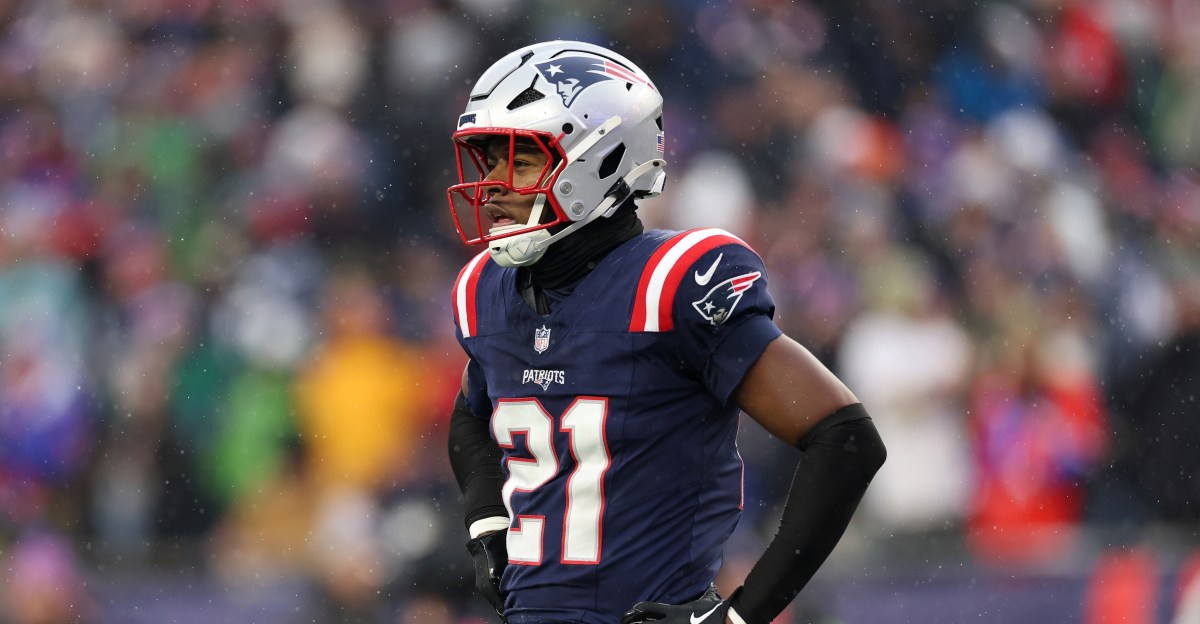
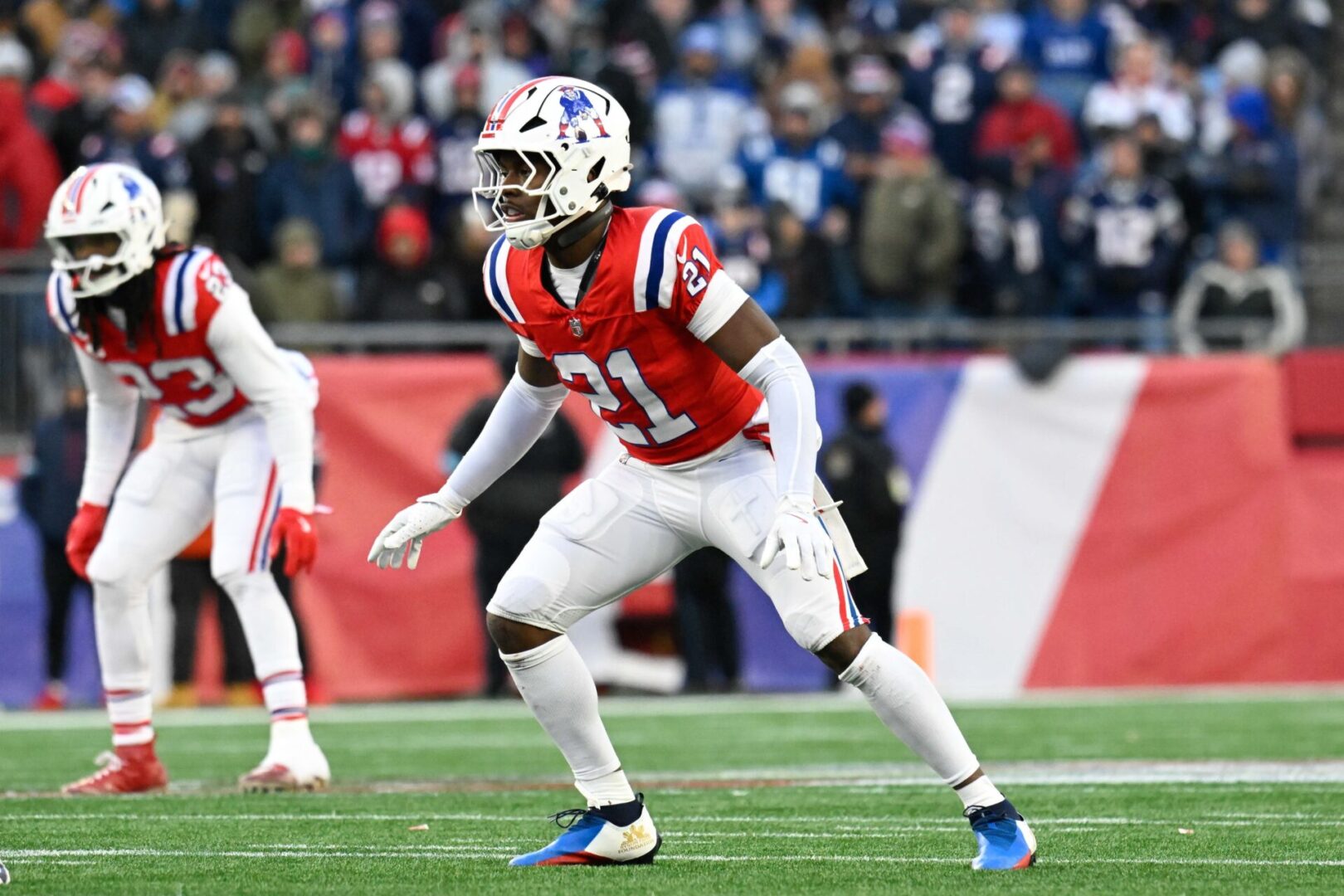
The Baltimore Ravens have significantly strengthened their defensive backfield by agreeing to terms with safety Jaylinn Hawkins on a reported two-year, $10 million contract. This acquisition marks a pivotal moment in NFL free agency, creating a clear need for the New England Patriots to reconfigure their secondary following the departure of a key starter.
Hawkins’ move to Baltimore underscores the Patriots’ ongoing roster reevaluation. The team’s previous signing of veteran safety Kevin Byard suggests a strategic pivot towards experienced leadership, potentially influencing their approach to retaining or replacing emerging talent like Hawkins. This transition allows the Patriots to reassess their defensive scheme and personnel alignment, with the financial flexibility from Hawkins’ departure potentially being reallocated to address other roster priorities.
Strategic Implications for Both Franchises
For the Ravens, acquiring Hawkins represents a calculated addition to a defense known for its consistent high performance. By securing a proven starter, Baltimore addresses a specific personnel need while enhancing its defensive versatility. The multi-year commitment indicates confidence in Hawkins’ ability to integrate into their system and contribute to their long-term defensive strategy, providing stability and competition.
Conversely, the Patriots face the challenge of replacing a player who demonstrated significant impact. Hawkins’ 2025 season statistics, including career highs in interceptions, forced fumbles, passes defended, sacks, and quarterback hits, provided considerable leverage in free agency negotiations. His reported desire to remain with New England highlights the complexities of organizational strategy versus player aspirations during periods of significant roster change.
Free Agency Market Dynamics and Valuation
Hawkins’ two-year, $10 million contract with the Ravens suggests an average annual value exceeding his one-year, $1.8 million deal with the Patriots in 2025. This increase in projected earnings aligns with his market value, estimated by Spotrac at $8.3 million. Baltimore’s willingness to offer a multi-year deal at this valuation points to a competitive market for his services, with the Ravens emerging as the successful bidder.
The Patriots’ broader free agency strategy, focusing on acquiring marquee talent at positions like wide receiver and defensive end, suggests a calculated allocation of financial resources. While Hawkins expressed a preference to stay, the financial realities and strategic priorities of rebuilding an NFL roster often necessitate difficult personnel decisions. Baltimore’s more decisive offer appears to have outmaneuvered New England’s potential interest.
Player Trajectory and Performance Leverage
Hawkins’ career trajectory, from a fourth-round pick to an NFL starting safety, showcases significant growth and adaptation. His journey through multiple teams underscores the fluid nature of professional football careers. His successful 2025 season, ranking third in the NFL with four interceptions, positions him as a valuable asset for teams seeking secondary reinforcement. Reaching the Super Bowl with the Patriots further enhances his profile, demonstrating his ability to perform under pressure.
The tangible performance metrics from his 2025 season—interceptions, pass deflections, and tackles—provide clear leverage in free agency. These quantifiable achievements allow teams like the Ravens to directly assess his potential impact on their defensive schemes and objectives.
Roster Management and Competitive Landscape
The Patriots’ strategic decisions, including player releases and acquisitions, indicate a broader organizational plan to reshape the team’s competitive profile. Hawkins’ departure, while impacting the secondary, is part of a larger effort to address team deficiencies. The focus on high-impact positions like wide receiver and defensive end suggests a prioritization of offensive firepower and defensive line dominance.
This player movement is characteristic of the NFL free agency period, where teams strategically target talent to meet immediate needs and long-term goals. The Ravens’ proactive move for Hawkins exemplifies a commitment to reinforcing their roster and maintaining a competitive edge within the AFC.
Institutional Context and Player Mobility
The NFL’s free agency system facilitates player mobility and team building. Hawkins’ transition exemplifies how performance, contract negotiations, and team needs converge. His expressed desire to return to New England, juxtaposed with Baltimore’s successful offer, highlights the complex interplay of player preference, financial incentives, and organizational priorities that define the free agency process.
The Patriots’ decisions regarding player retention are influenced by salary cap constraints, draft capital, and overarching team philosophy. Their recent roster adjustments suggest a willingness to undertake significant changes to achieve their desired competitive outcome, balancing short-term needs with long-term strategic planning.
Future Outlook and Roster Development
Hawkins’ move to the Ravens concludes his free agency period, a critical juncture for players seeking new opportunities and long-term security. The Patriots now face the task of filling the void left by Hawkins through further free agency, trades, or internal player development. The success of these subsequent moves will be crucial in determining the team’s defensive performance and overall competitive standing.
Baltimore’s investment in Hawkins suggests a belief in his ability to contribute to their established defensive success, aiming for sustained performance over the two-year deal.