Strategic Hierarchy: The 2026 Big Ten Landscape
The 2026 Big Ten Men’s Basketball Tournament arrives at Chicago’s United Center defined by a stark dichotomy: Michigan’s institutional stability versus the chaotic volatility of the conference’s middle tier. Entering with a 29-2 record, the Wolverines have transcended mere regional success, leveraging a high-efficiency system to secure a likely No. 1 seed in the NCAA Tournament. Their dominance is characterized by clinical execution, yet the single-elimination format of the Chicago bracket introduces structural pressures that test even the most disciplined rosters.
Michigan’s Path: Resilience and Neutral-Site Proficiency
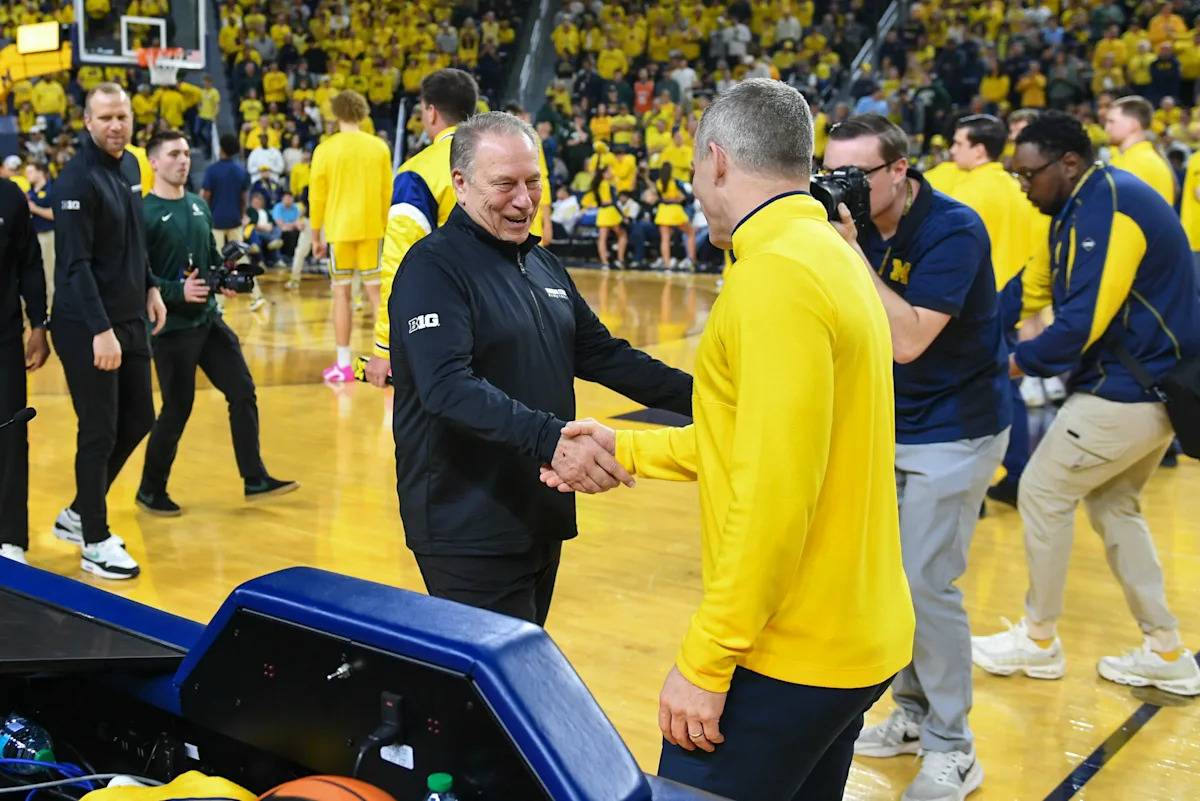
The Wolverines’ campaign is anchored by a recovery narrative. A mid-season loss to Wisconsin served as a corrective catalyst, ending a 14-game streak but refining their defensive rotations. Michigan’s subsequent performance in high-leverage environments—notably a narrow five-point neutral-site loss to Duke in Washington, D.C.—demonstrated their ability to maintain tactical composure against elite national competition. By sweeping Michigan State and dominating the regular-season finale against Nebraska, they have established a psychological and statistical margin of error that necessitates near-perfection from any challenger.
The Purdue Regression: Market Devaluation and Thursday Logistics
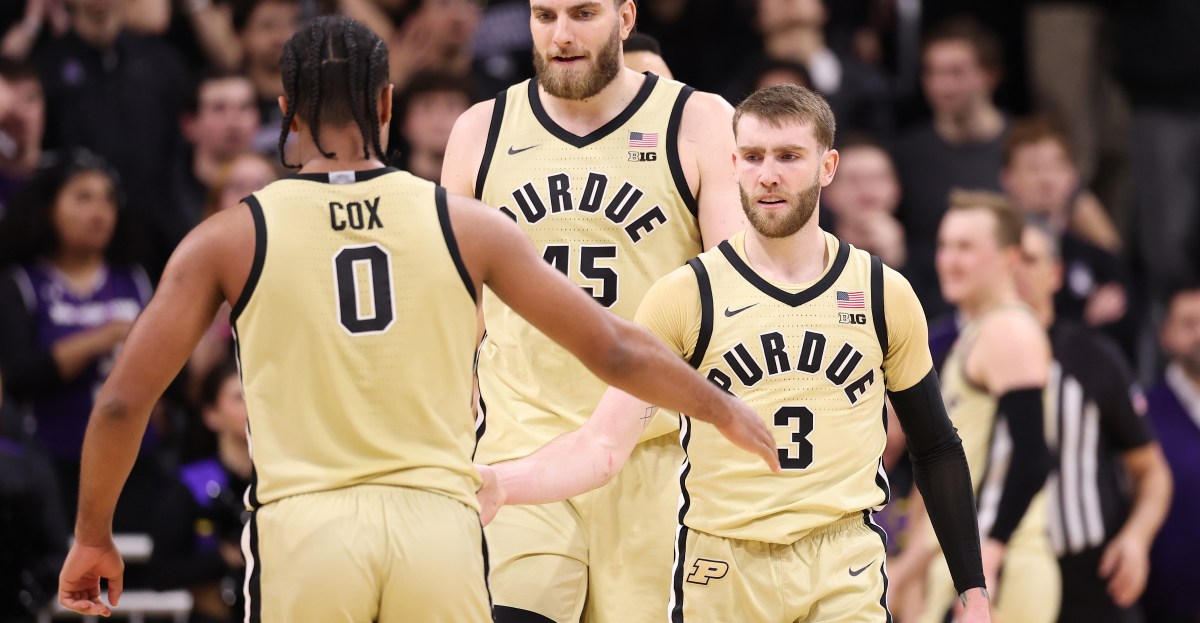
In a significant departure from preseason expectations, Purdue enters the tournament relegated to a Thursday start. This regression is quantified by FanDuel’s +700 title odds, signaling a collapse in market confidence following a lackluster regular-season conclusion. The structural burden of the Thursday slot—requiring four victories in four days—significantly diminishes their win probability. The looming rubber match against Indiana in Chicago will serve as a definitive litmus test for whether the Boilermakers can resolve the tactical inconsistencies that plagued their February campaign.
Expansion Dynamics and Geographic Fatigue
The 2026 tournament highlights the operational challenges of an expanded Big Ten. Nebraska’s recent performance—a narrow win over Iowa following a 20-point blowout loss at UCLA—illustrates the fatigue inherent in cross-country scheduling. This geographic expansion has fragmented the conference’s middle class, favoring elite programs with superior depth and recovery protocols. In the knockout stages, the ability to adapt to varied offensive systems from West Coast additions will differentiate survivors from those eliminated by travel-induced inconsistency.
Economic and Seeding Implications
For Michigan, the Chicago residency is a quest for geographic leverage. Securing the Big Ten title ensures a favorable regional path in the national bracket, driving both viewership and institutional investment. Conversely, Purdue faces a high-risk scenario; an early exit from the Thursday bracket could trigger a slide in NCAA seeding, forcing a difficult opening-weekend matchup. The current betting landscape underscores this gap, pricing Michigan as a heavy statistical favorite while leaving little room for the historic parity typically associated with the Big Ten postseason.
Operational Reality at the United Center
The United Center’s professional environment serves as a neutral-site equalizer, stripping away the home-court advantages of venues like Assembly Hall. This shift places a premium on veteran leadership and depth. Michigan’s ability to manage minutes during double-digit victories gives them a conditioning advantage over teams like Purdue or Indiana, who must navigate high-intensity rivalries with less rest. As the tournament progresses, the divide between high-output systems and teams struggling for identity will likely dictate the final outcome in Chicago.