The convergence of unprecedented thermal gradients and high-velocity atmospheric shifts has placed Pennsylvania’s primary metropolitan infrastructure under acute operational strain. Record-breaking temperatures in the eastern region, combined with a triple-phase convective sequence in the west, represent a systemic stress test for the state’s logistical, utility, and emergency management frameworks.
Pittsburgh Metropolitan Area: Tri-Phase Convective Risk
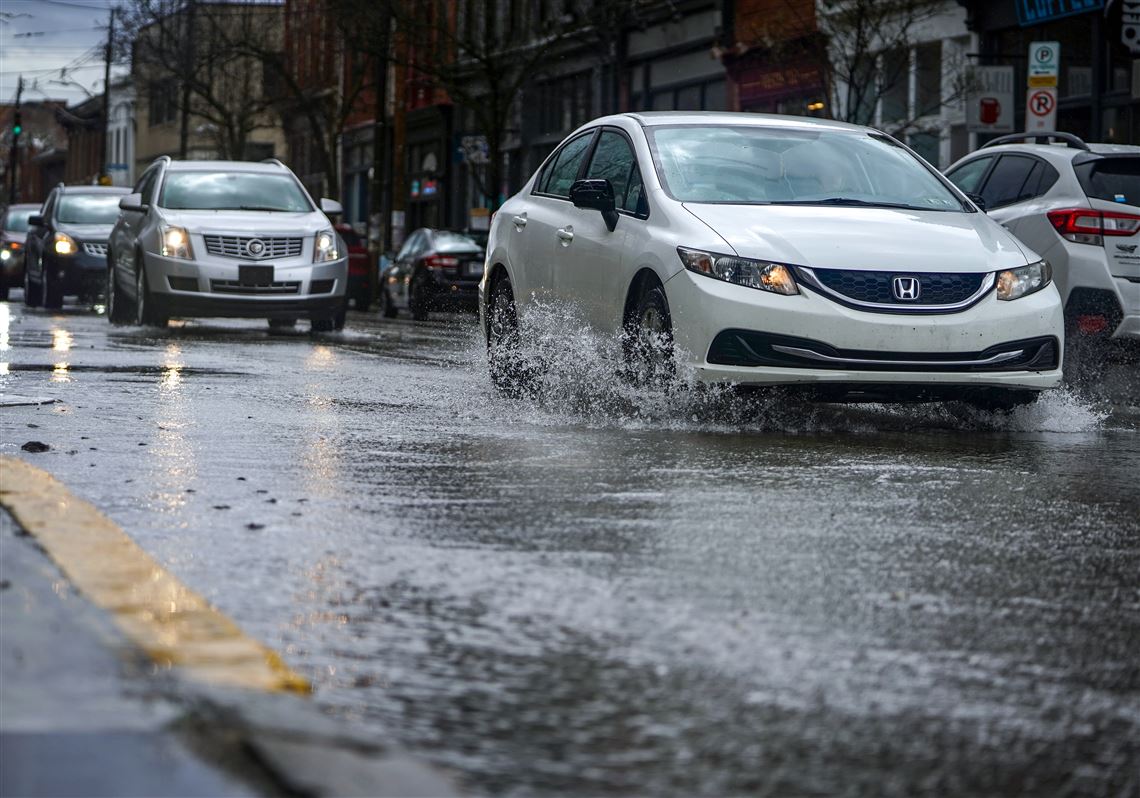
Western Pennsylvania is currently navigating a sophisticated meteorological progression characterized by three distinct rounds of convective activity. The most critical phase is projected to coincide with the peak evening commute, maximizing workforce exposure and increasing the probability of cascading transit failures across major arteries. Specific zones—including Harrison Township, Penn Hills, and the 422 corridor—are experiencing precipitation rates that challenge the drainage thresholds of aging municipal systems.
From a technical standpoint, the transition of the storm front from Washington County toward downtown Pittsburgh necessitates a pivot from routine traffic management to active emergency response. The primary threat remains damaging winds capable of compromising high-voltage power distribution networks. When combined with the potential for large hail and isolated tornadoes, these variables create a high-risk environment for both residential property and commercial telecommunications infrastructure.
Philadelphia Corridor: Thermal Anomalies and Velocity Thresholds
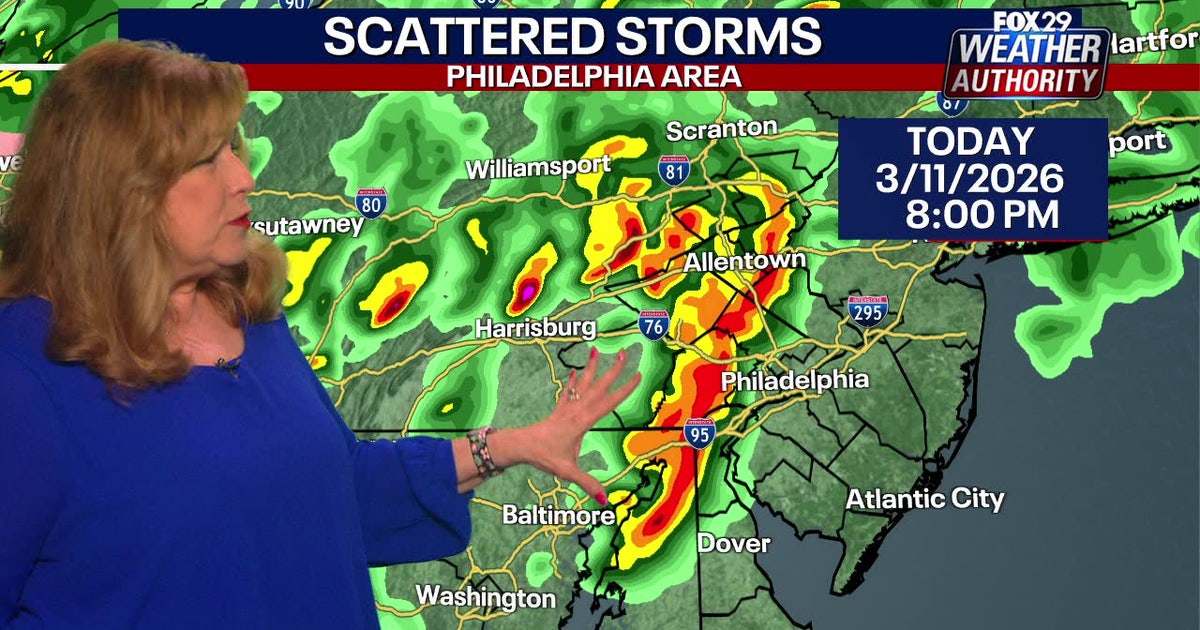
In Eastern Pennsylvania, the meteorological narrative is defined by extreme thermal instability. Temperatures in Philadelphia reached the low 80s, shattering the 2021 benchmark of 74 degrees. This thermal energy serves as a catalyst for severe storms between 3:00 p.m. and 11:00 p.m., a window that overlaps with the region’s highest economic activity. Meteorologists have flagged wind velocities of 60 to 70 mph as the primary threat, capable of exceeding the structural integrity limits of older commercial buildings and overground utility lines.
While tornado risks in the Philadelphia area remain statistically isolated, the severity of potential straight-line wind damage requires a rigorous re-evaluation of short-term risk management for industrial and outdoor operations. The subsequent rapid cooldown following the front is expected to trigger significant fluctuations in regional energy demand, testing the adaptability of the grid.
Macro-Economic and Institutional Resilience
The economic implications of these atmospheric events are multifaceted. From an actuarial perspective, the combination of high-velocity winds and hail represents a significant exposure for the insurance industry, particularly in densely populated areas like North Braddock and Murrysville. Furthermore, the disruption of transit corridors in major hubs results in quantifiable productivity losses across the manufacturing and service sectors.
Institutional readiness remains the primary metric for regional resilience. The dissemination of ‘Severe Weather Alert Day’ designations by entities like FOX 29 and the Pittsburgh Post-Gazette facilitates a structural framework for commercial and educational closures. Long-term strategic planning must now account for these high-intensity wind events and rapid thermal oscillations as standard operational variables, necessitating sustained investment in reinforced power grids and predictive communication infrastructure.