Strategic Integration of a Diplomatic Aviation Asset
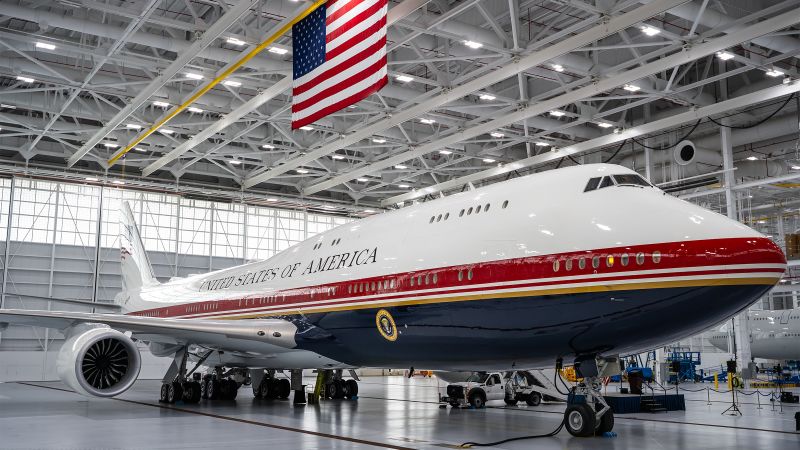
The deployment of a Boeing 747, gifted to the United States by the State of Qatar, represents a recalibration of presidential logistics. Designated as a stopgap measure, this aircraft addresses the capacity shortfall resulting from the retirement of the legacy 747-200 fleet and the protracted development cycle of the next-generation VC-25B platforms, now expected by 2027 or 2028.
While the aircraft’s estimated market value of $400 million drew scrutiny, the Department of Defense maintains that the inter-governmental transfer adheres to federal protocols governing foreign asset acquisition. This maneuver allows the executive branch to bypass immediate capital expenditure requirements for fleet maintenance, though it introduces complex questions regarding reliance on foreign-sourced infrastructure for mission-critical national security assets.
Procurement Delays and Operational Mitigation
Persistent budgetary escalations in the Boeing presidential contract—rising from $3.7 billion to over $5 billion—have forced an unconventional approach to fleet management. The integration of the Qatari gift follows a rapid ten-month refitting process costing approximately $1 billion, aimed at equipping the platform with the secure communication and defensive suites required for executive operations. This pivot highlights the vulnerability of the U.S. procurement cycle to long-term delays, necessitating immediate, albeit unprecedented, external solutions.
Regulatory Precedents and Governance
The acceptance of this asset creates a distinct tension between standard federal gift limits—typically capped at nominal annual values—and the strategic necessity of the executive branch. Critics argue this move bypasses institutional norms, while the administration frames it as a pragmatic solution to ensure continuity of government. By characterizing the transaction as an inter-governmental strategic necessity, the White House has set a high-stakes precedent for future foreign-state interactions with U.S. military logistics.
Technical Specifications and Symbolic Redesign
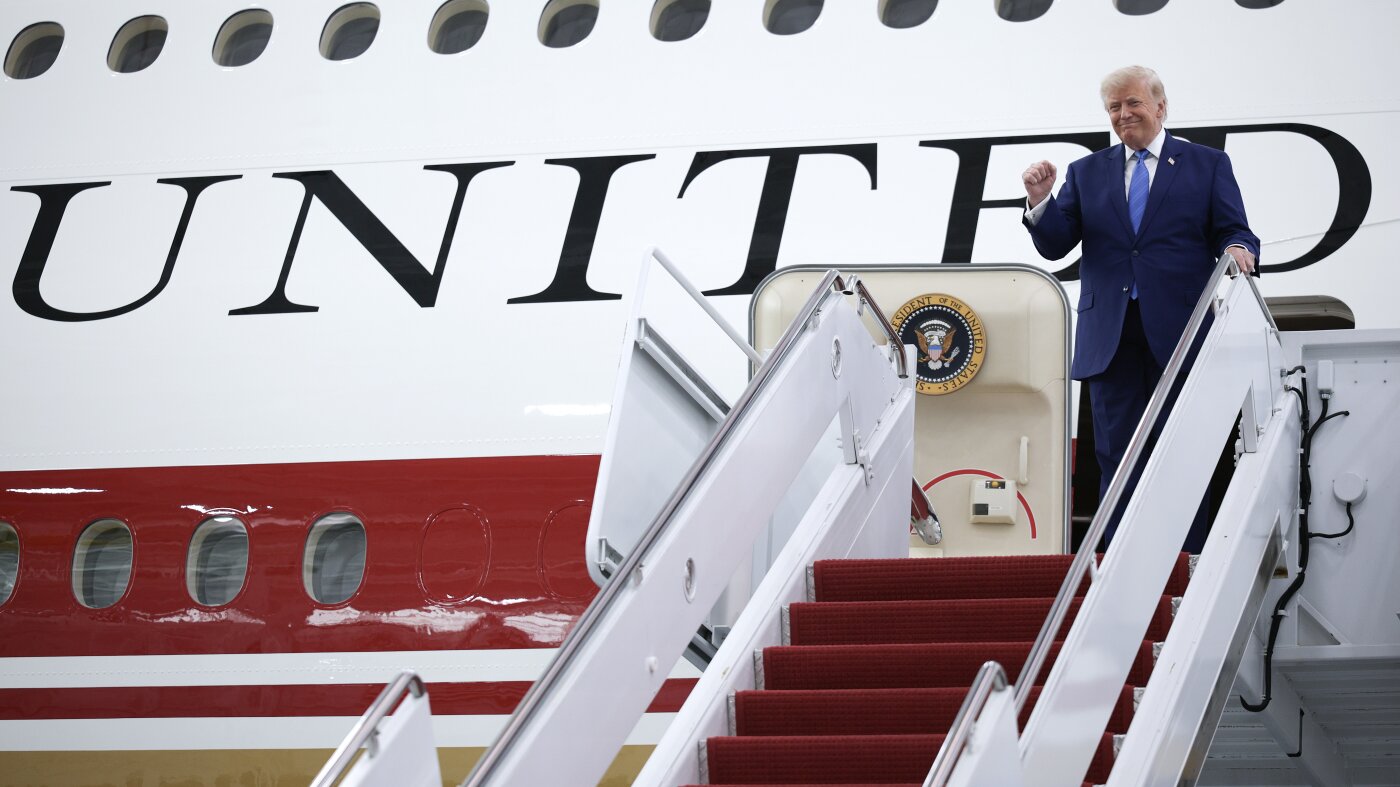
The aircraft features a modernized livery of red, white, dark blue, and gold. This departure from the traditional robin’s egg-blue aesthetic serves both as an aesthetic rebranding and an indicator of the executive branch’s shift toward a new symbolic identity. Beyond the exterior, the interior has been reconfigured for high-level utility, with technical assessments indicating that the platform offers enhanced performance metrics, including superior range and operational speed, compared to previous presidential assets.
Long-Term Institutional Implications
The reliance on a gifted asset from a Gulf state underscores the systemic risks inherent in current defense procurement timelines. As the U.S. awaits the delivery of purpose-built presidential aircraft, the success of this Qatari-gifted 747 will be measured by its integration into existing military security protocols. This development invites ongoing oversight regarding how diplomatic gifts intersect with national defense and the potential for long-term influence on the independence of U.S. executive transportation infrastructure.