Operational Resilience and Strategic Talent Management in Live Sports Broadcasting
The last-minute broadcast team change for Prime Video’s Campeonato Brasileiro match between Coritiba and Palmeiras on July 22 serves as a sharp case study in the intricate operational demands of global live sports streaming. Napoleão de Almeida stepped in to narrate after Marcelo do Ó faced unforeseen logistical hurdles, preventing his timely arrival in Brazil. This incident profoundly underscores the critical need for robust contingency planning and adaptable talent pools within an industry where real-time delivery and audience expectations are paramount.
Navigating Logistical Complexities and Ensuring Broadcast Continuity
International live sports broadcasts are inherently susceptible to a myriad of logistical challenges, ranging from critical travel disruptions and visa issues to technical equipment failures. The swift replacement of a key on-air personality, such as a narrator, is a testament to sophisticated operational frameworks and well-practiced crisis management protocols. For global streaming platforms like Prime Video, which operate across diverse geographical and regulatory landscapes, investing in resilient logistical support is not merely a best practice but a fundamental requirement to protect content integrity, brand reputation, and uninterrupted service delivery.
Strategic Imperatives of Talent Versatility and Deep Benches
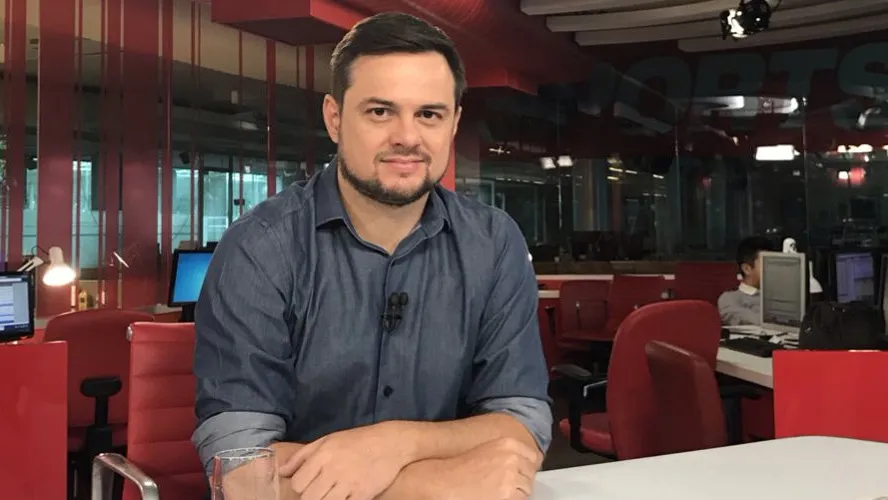
Napoleão de Almeida’s seamless transition into this high-profile role highlights the strategic value of versatile, experienced talent in sports media. With over two decades in narration, announcing, and presenting across television, radio, and streaming, Almeida embodies the multi-skilled professional increasingly sought after by the industry. His ability to cover a wide spectrum of national and international events, from major domestic leagues to the Champions League and Olympic Games, allows platforms to mitigate risks associated with sudden personnel unavailability. This deliberate investment in a “deep bench” of adaptable professionals ensures continuity for viewers, reinforcing the platform’s reliability and showcasing its proactive talent management strategy.
The Commercial Landscape of Sports Media Rights and Subscriber Retention
Prime Video’s acquisition and broadcast of Campeonato Brasileiro fixtures firmly position it within the competitive global landscape of sports media rights. This commitment to live football content signifies a broader strategic push by streaming services to attract and retain subscribers through exclusive, high-demand programming. The immense commercial value embedded in securing rights for a diverse portfolio of competitions—from Brasileirão Série A and B to Libertadores, Champions League, Premier League, and La Liga—drives substantial financial investments. Any operational disruption, even a seemingly minor one like a narrator change, carries potential, albeit indirect, financial implications if it impacts viewership or subscriber perception, influencing future rights negotiations and platform market share.
Audience Expectations, Cultural Resonance, and Brand Loyalty
In highly competitive streaming markets, audience expectations for flawless, high-quality live sports content are non-negotiable. Beyond technical delivery, the voice of the narrator holds significant cultural weight in many football-loving regions, particularly Brazil, often becoming synonymous with the game’s emotion and drama. A last-minute change, even if competently managed, can subtly influence viewer experience. Maintaining brand loyalty therefore demands not only securing premium content but consistently delivering it without technical or operational hitches. Prime Video’s swift resolution in this instance reinforces its operational reliability, a crucial factor for subscriber trust and competitive differentiation in a saturated market where consumers have multiple choices for sports entertainment.
Conclusion: An Interconnected Ecosystem of Resilience and Strategy
The Coritiba vs. Palmeiras broadcast incident, while specific, serves as a powerful illustration of the intricate, interconnected nature of the global sports media value chain. It underscores how seemingly minor operational adjustments reflect deeper strategic considerations across talent acquisition, logistical preparedness, media rights management, and audience engagement. In this dynamic, high-stakes environment, continuous investment in operational resilience, versatile talent, and sophisticated distribution frameworks is paramount for platforms aiming to sustain growth and competitive advantage.