Operational Strain Across San Juan’s Metropolitan Area
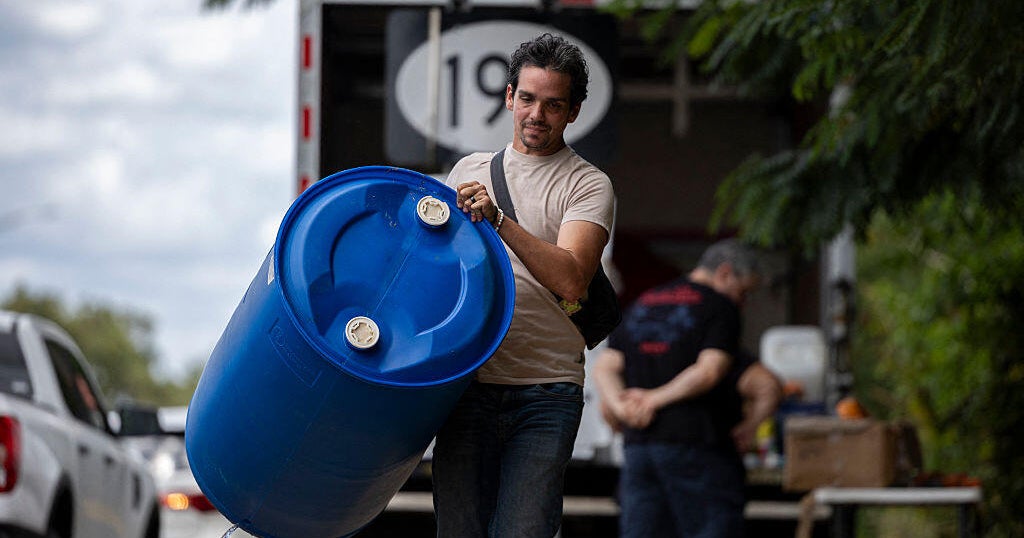
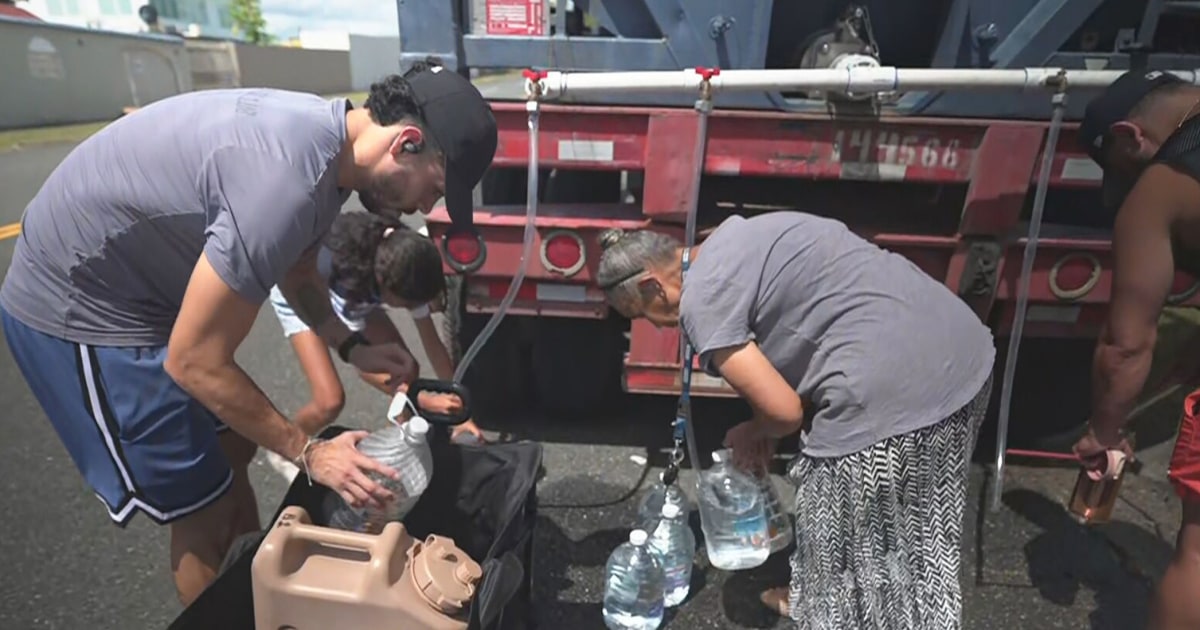
Puerto Rico’s municipal water authorities have enacted one of the island’s most restrictive mandatory rationing programs in a decade, affecting over 180,000 customer accounts across San Juan and six adjacent municipalities. The operational strategy divides the affected service footprint into two alternating geographical sectors, enforcing mandatory supply interruptions lasting at least 48 hours per cycle. To mitigate supply disruptions, public agencies have deployed emergency mobile water tankers along major transit corridors, requiring residential and commercial users to manually collect and store water for essential utility needs.
Escalation Thresholds and Operational Schedules
Utility administrators have refrained from establishing a definitive termination date for the rationing regime, warning that service shutoffs could escalate to 72-hour intervals if hydrological conditions deteriorate further. This potential extension creates planning hurdles for commercial enterprises and domestic users alike. Because institutional storage capacity is often depleted during outages exceeding 48 hours, municipal logistics have shifted toward maintaining static distribution points rather than stabilizing main pipeline pressure.
Climatological Drivers and Hydrological Deficits
The immediate driver of this water supply strain is a severe precipitation deficit across core watersheds. According to the U.S. Drought Monitor, 36 percent of Puerto Rico’s territory is classified under severe drought conditions, while an additional 32 percent experiences moderate drought, subjecting over two-thirds of the island to moisture deficits. Meteorological records for San Juan indicate the driest July in over 120 years of record-keeping, alongside the second-hottest temperatures on record. This combination of heat and low rainfall has accelerated surface water evaporation, reducing raw water volumes in key municipal reservoirs beyond standard recharge thresholds.
Infrastructure Degradation and Distribution Losses
While climatic anomalies triggered the supply shock, systemic physical vulnerabilities in the distribution network have intensified its severity. Decades of deferred maintenance have left main conveyance lines vulnerable to leaks, structural degradation, and pressure fluctuations, resulting in substantial losses of treated water before reaching end consumers. Consequently, when line pressure drops during scheduled shutoffs, the risk of structural pipe collapse and contamination surges, complicating grid stabilization during restoration cycles. While mobile water tankers prevent complete supply failure, they operate as a costly, temporary substitute for stationary distribution networks.
Socioeconomic Impact on Commercial Enterprises
The 48-hour shutoff schedules impose financial strain on local businesses, particularly in service, hospitality, and healthcare-adjacent sectors that depend on continuous water flow. Small and medium-sized enterprises lacking auxiliary commercial storage tanks face operational disruptions or forced closures during active cutoff windows. For larger institutions, acquiring private bulk water deliveries increases baseline operational expenses, illustrating the commercial vulnerability associated with physical grid instability during drought events.