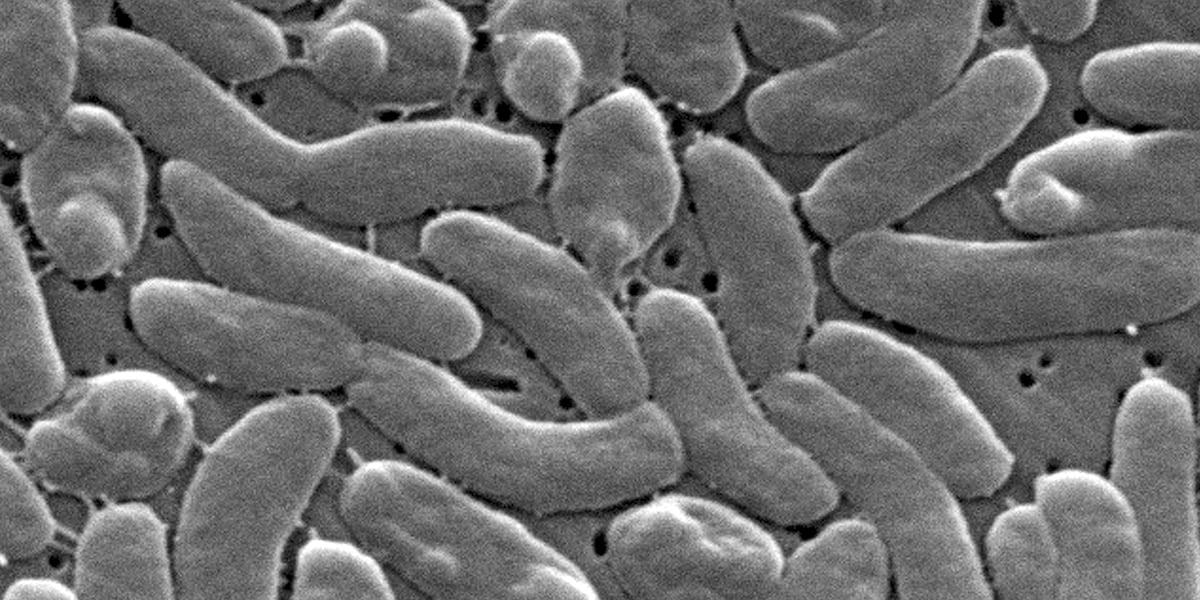
The 2026 surge in Vibrio vulnificus infections in Louisiana represents a structural shift in regional epidemiological risks. With five confirmed fatalities and four hospitalizations reported by the Louisiana Department of Health (LDH), the mortality rate has escalated to 55%. This figure stands in stark contrast to the state’s historical decadal average of one death per cycle, signaling an increase in pathogen virulence or a heightened vulnerability within the coastal demographic.
Clinical Pathogenesis and Systemic Medical Burden
The 2026 data indicates a high correlation between seawater exposure through open wounds and rapid clinical deterioration. Unlike foodborne pathogens, Vibrio vulnificus as a wound-entry vector progresses quickly into necrotizing fasciitis and septicemia. For healthcare infrastructure, this trend necessitates a pivot toward aggressive early-intervention protocols. The extreme hospitalization-to-case ratio observed this season places disproportionate stress on tertiary care facilities and intensive care units, which must manage high-resource requirements including surgical debridement and advanced antimicrobial therapy.
Institutional responses from the LDH and CDC emphasize that comorbidities—specifically chronic liver disease and immunocompromising conditions—remain the primary determinants of lethality. However, the current spike suggests that environmental pathogen density may be reaching a threshold where even standard exposure leads to severe outcomes. This reality forces a transition in public health communication from general awareness to targeted risk-management for high-vulnerability populations.
Economic Exposure: Tourism and Asset Valuation
The proximity of fatal infections to premier coastal destinations ahead of the peak summer season introduces significant financial volatility. Luxury hospitality and real estate markets are exceptionally sensitive to health-related brand erosion; the perception of biological hazards can lead to immediate contractions in short-term rental demand and long-term capital investment in waterfront developments. Stakeholders must now manage the tension between mandatory health disclosures and the preservation of the region’s leisure economy.
The legal landscape is also evolving. Property managers and beach operators face heightened liability regarding the ‘duty of care.’ As state health alerts become more frequent, the failure to integrate these warnings into private operational safety protocols could invite litigation, particularly if infections are traced to managed access points. The economic impact is exacerbated by the timing of the outbreak, which overlaps with the May-to-October window of maximum commercial activity.
Seafood Industry Integrity and Regulatory Scrutiny
While the 2026 fatalities were primarily wound-linked, the oyster and aquaculture sectors remain under intense scrutiny. Consumer confidence in raw shellfish is highly susceptible to broader public health narratives regarding Vibrio. To maintain market trust, the industry must reinforce cold-chain integrity and implement rigorous time-temperature controls from harvest to point-of-sale. Operational costs are likely to rise as producers invest in more frequent testing and advanced mitigation technologies to meet heightened safety standards.
Predictive Modeling and Institutional Response
The current crisis serves as a catalyst for a recalibration of environmental monitoring. Eradication of a naturally occurring bacterium is impossible; therefore, the focus must shift to predictive modeling. By integrating water temperature data with geographic infection clusters, state agencies can issue localized, high-precision warnings. This strategic approach aims to protect public health while minimizing the broad-scale economic disruptions caused by generalized beach closures. The 2026 outbreak underscores the necessity of a dynamic public health infrastructure capable of adapting to rapid environmental changes.