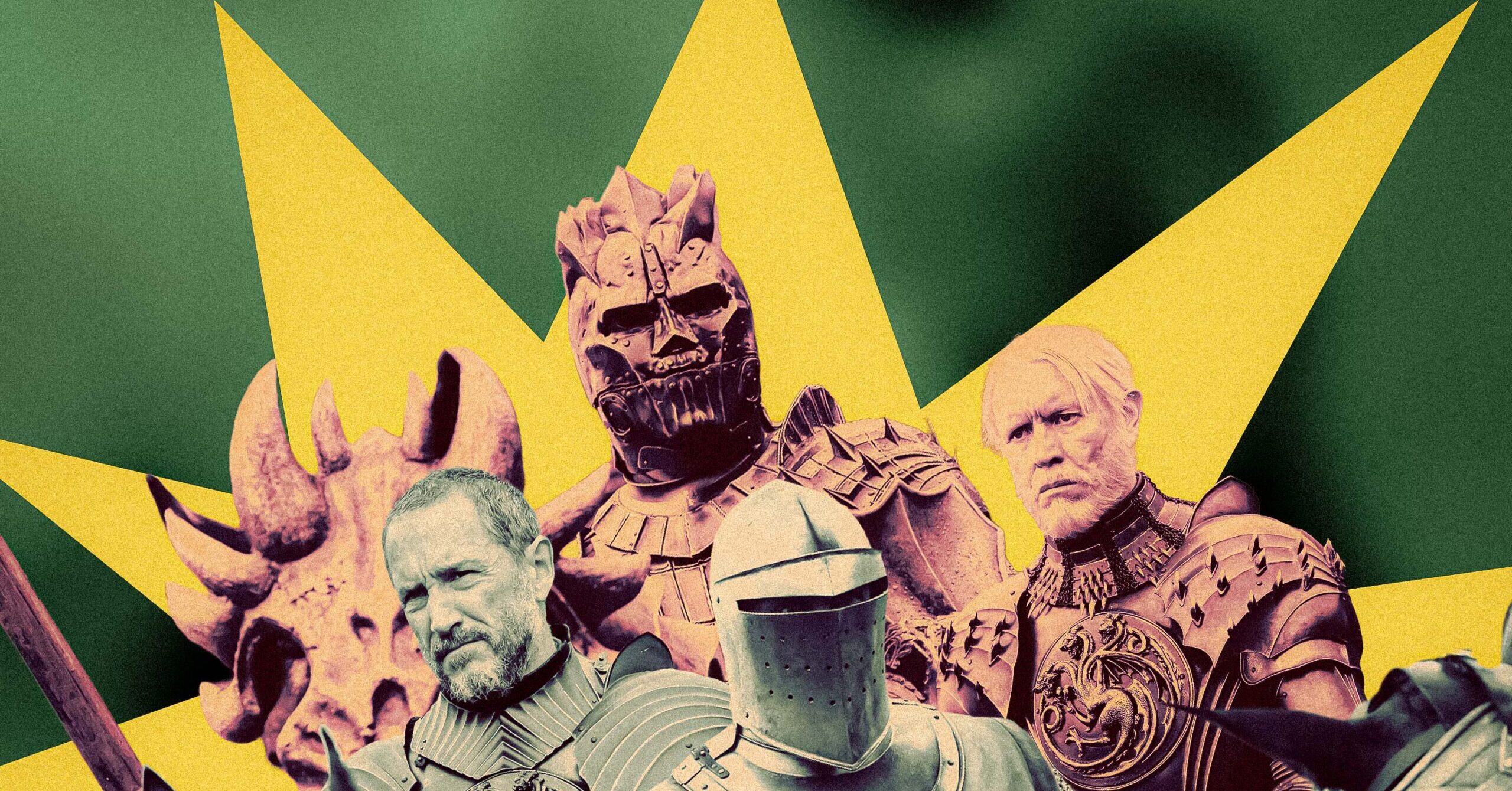
The depiction of Dunk’s Trial of Seven in A Knight of the Seven Kingdoms mandates a rigorous analytical pivot from the established combat paradigm of the Game of Thrones franchise. While the predecessor prioritized high-fidelity, decisive, large-scale warfare, this prequel installment strategically emphasizes physical vulnerability and immediate operational chaos.
Structural Shift: From Martial Prowess to Physiological Constraint
The narrative foregrounds physiological failure as a primary threat vector. The immediate depiction of combatants, including Dunk and Raymun Fossoway, experiencing pre-engagement distress (vomiting) strips the confrontation of heroic romanticism, grounding the spectacle in visceral realism. This choice signals a structural reorientation: combat functions less as a test of skill and more as a high-stakes administrative procedure vulnerable to human frailty.
Dunk’s swift incapacitation via impalement, directly following a delayed entry caused by a panic attack, quantifies this new framework. Individual martial training is instantly superseded by psychological contingency and timing failure under extreme pressure. This sequence deconstructs the myth of the inherently capable knight.
Franchise Narrative Leverage and Recontextualization
For franchise stakeholders, this sequence necessitates a re-evaluation of historical lore. If foundational duels were characterized by such high incidences of pre-combat failure, then previous celebrated victories may be heavily mythologized. Baelor Targaryen’s decisive intervention frames the resolution not as a balanced contest, but as an outcome dictated by systemic failure or external, overwhelming authority.
This narrative mechanism challenges the capital investment thesis supporting protracted cinematic battles. Tension is derived from participant fragility rather than the scale of destruction, favoring psychological realism over kinetic expenditure. This strategic choice offers a potential blueprint for lower-capital, high-impact narrative beats in future IP expansion.
Operational Realities Versus Mythologized Conflict
The sequence systematically dismantles the romanticized ‘knightly trial’ archetype by exposing the inherent operational fragility of single-combat resolution. The pre-clash breakdown serves as a crucial non-combat operational failure, highlighting systemic stress often omitted when narratives focus only on kinetic outcomes.
Dunk’s panic attack exposes a governance failure: the institutional demand for immediate participation clashes directly with the individual’s psychological threshold, establishing psychological capacity as the ultimate limiting factor in this narrative iteration.
Economic Implications for Spectacle Deployment
Viewers acclimated to the sustained, multi-episode battle sequences of the main series encounter an expectation gap. This abrupt conclusion strongly suggests a production strategy prioritizing character-driven tension over prolonged action set pieces. The immediate impalement defines a sharp performance ceiling, illustrating how tactical timing is immediately nullified by a singular, poorly managed physical action.
The narrative efficiency is noteworthy. By resolving the physical threat almost instantly after setup, the focus shifts decisively to the political and character ramifications of Baelor’s intervention. This prioritization of immediate consequence over protracted engagement is a core marker of this prequel’s strategic pacing, potentially preserving narrative impact for future, larger confrontations while using contained events to define character limitations.
Managing Institutional Memory and Narrative Continuity
Given Game of Thrones’ established popularity rooted in ‘epic battles,’ subverting this expectation in a pivotal sequence manages the institutional hurdle. The creators signal that the prequel era involves grittier, less polished conflict than later depictions, preserving narrative integrity across the franchise timeline.
This forces a critical re-reading of source material: the iconic status of the Trial of Seven likely derives from its political resolution (Baelor’s decree) rather than the martial quality of the fight itself. The focus shifts decisively from military history to political maneuvering, where physical contest is merely the catalyst for political declaration.
Cognitive Dissonance and Cultural Embedding
The structural use of the iconic theme swelling before the anticlimax weaponizes audience memory against the visual outcome, generating strategic cognitive dissonance. Furthermore, concluding the episode with cultural recommendations (e.g., Joni Mitchell, David Niven) signals a deliberate cross-pollination strategy, embedding the series in broader cultural discourse beyond niche fantasy tropes. This broader cultural positioning targets sustained critical relevance over singular genre consumption.
The administrative implication for production is a higher ROI on tightly scripted, character-focused drama versus high-CGI expenditure. While House of the Dragon commits to building anticipation for spectacle, A Knight of the Seven Kingdoms accelerates the deconstruction trend, creating a bifurcated IP strategy that captures audiences valuing both spectacle and thematic subversion.