Iowa State Snaps Kansas Streak, Reshapes Big 12 Title Race
No. 5 Iowa State delivered a decisive 74-56 victory over No. 9 Kansas, ending the Jayhawks’ eight-game winning streak and tightening the race for the Big 12 conference title. The Cyclones, coming off a recent loss to TCU, demonstrated significant strategic adjustments and operational efficiency, particularly in the second half, to secure the win and maintain their perfect home record. This outcome creates a bottleneck at the top of the standings, intensifying pressure on both programs as they navigate the final stretch of the regular season. For Iowa State, the victory serves as a critical rebound, while for Kansas, it exposes vulnerabilities in consistency and execution.
Strategic Adjustments and Performance Leverage
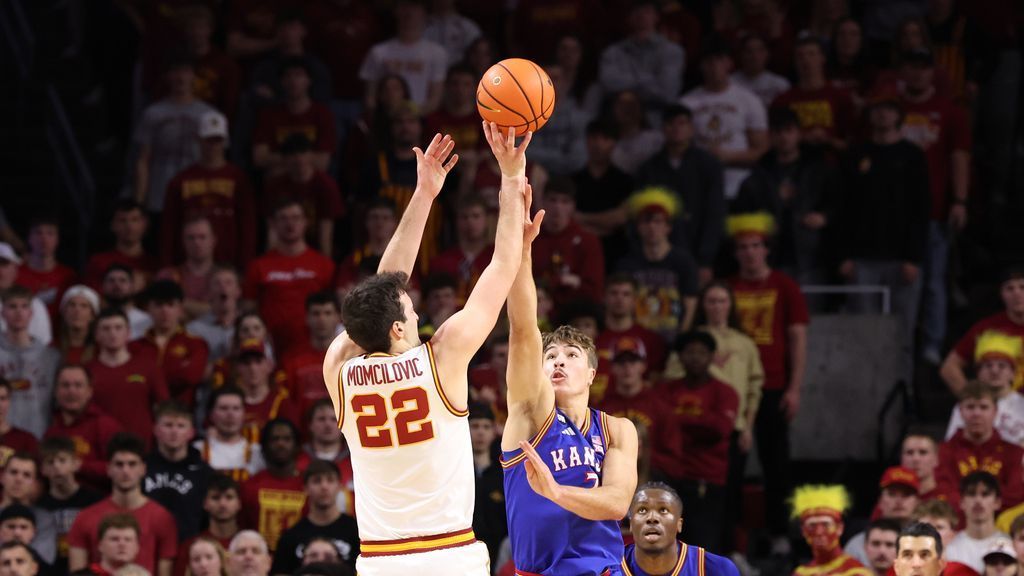
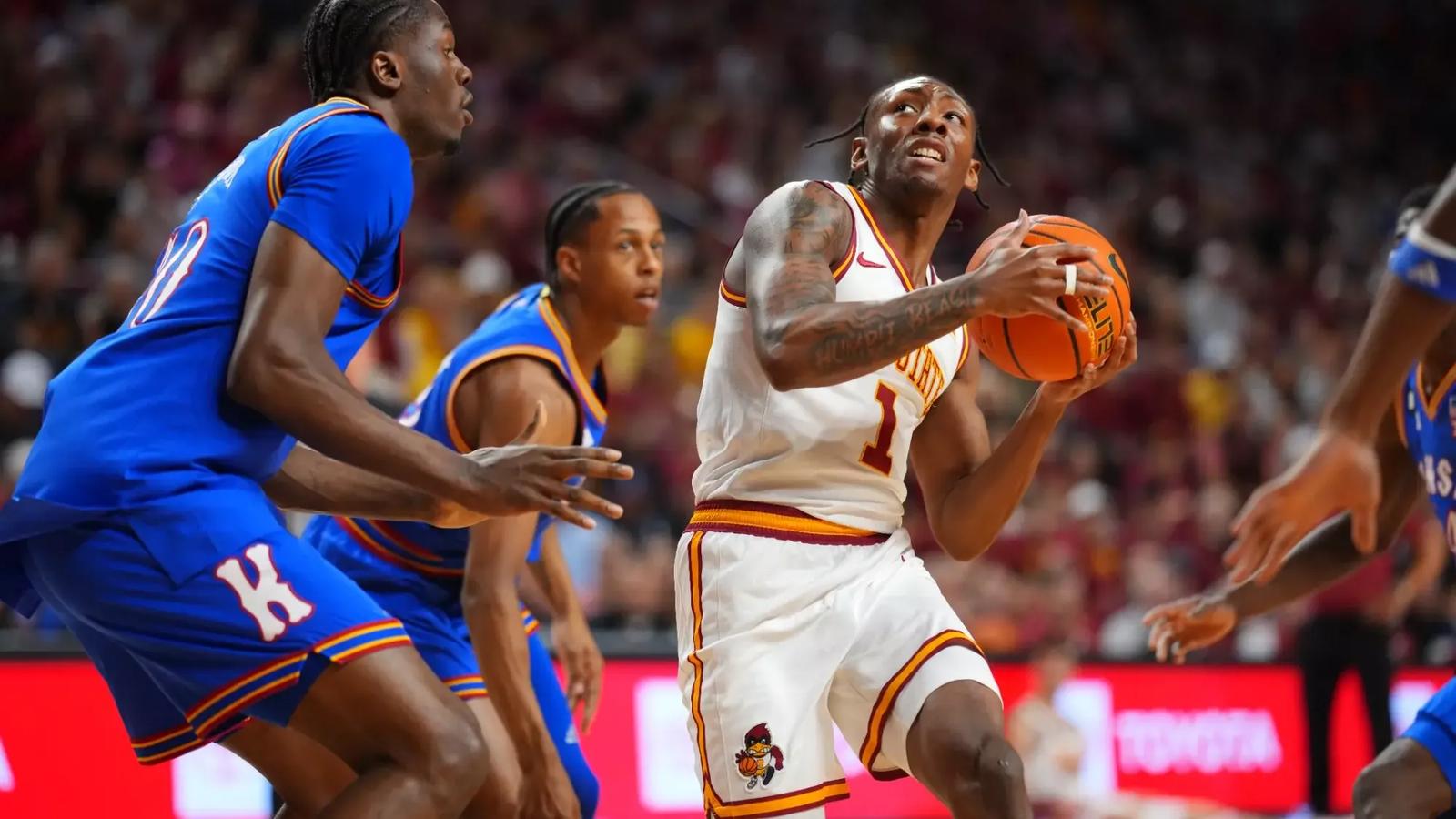
Iowa State’s victory was defined by a critical shift in performance and strategy during the second half. After struggling with shot efficiency in the opening minutes, the Cyclones executed a decisive 20-7 run in the first 5½ minutes of the second half. This surge was primarily fueled by exceptional outside shooting, as the team made six consecutive 3-pointers during this period, fundamentally altering the game’s momentum and creating an insurmountable lead. The source data highlights a significant turnaround in individual performance, notably from Milan Momcilovic. After missing all four of his 3-point attempts in the first half, Momcilovic scored 14 of his game-high 18 points in the second half, drilling 4-of-5 from beyond the arc. This individual performance leverage, combined with Tamin Lipsey’s two successful treys early in the second half, demonstrates the team’s ability to adjust and execute under pressure, converting strategic opportunities into tangible results.
Operational Disparity and Execution Gaps
A key operational factor contributing to the outcome was the significant disparity in ball control and turnovers. Kansas committed 13 turnovers during the game, with 10 occurring in the first half alone. This high turnover rate indicates persistent pressure from Iowa State’s defense, disrupting Kansas’s offensive flow and limiting scoring opportunities. In contrast, Iowa State committed only six turnovers, demonstrating superior operational discipline and ball security. This turnover differential exposes a vulnerability for Kansas, particularly in high-stakes matchups where every possession carries increased value. Iowa State capitalized on this disparity to build a 37-27 halftime lead, providing the necessary cushion to withstand potential Kansas runs. Furthermore, Kansas’s shooting efficiency plummeted to 31.6% from the field in the second half, including a critical 1-of-8 performance from 3-point range, suggesting a breakdown in defensive containment and offensive execution that allowed the Cyclones to capitalize on the momentum shift.
Institutional Leverage: The Hilton Magic Advantage
The victory further solidifies Iowa State’s significant institutional leverage derived from its home-court advantage, often referred to as “Hilton Magic.” The Cyclones remain unbeaten at home this season (14-0) and have compiled an impressive 47-2 record over the last three seasons. This consistent performance at Hilton Coliseum represents a structural competitive advantage that impacts opponent strategy and player confidence. This home-court dominance is not merely a statistical anomaly but reflects a strategic asset that influences recruiting narratives, fan engagement, and institutional revenue streams. The environment created by this consistent success provides a psychological edge that can disrupt visiting teams’ operational efficiency, as evidenced by Kansas’s struggles with shooting and turnovers.
Broader Implications for Conference Standings and Trajectory
With both teams now tied at 9-3 in conference play, the race for the regular season title remains highly contested. Iowa State’s upcoming schedule includes playing four ranked teams in a five-game stretch. This victory provides critical momentum as the Cyclones face a gauntlet of high-stakes matchups. For Kansas, the loss breaks a significant winning streak that began with a victory over Iowa State on January 13. The inability to maintain momentum against a high-caliber opponent exposes potential vulnerabilities that opposing teams will seek to exploit in future matchups. The result forces Kansas to re-evaluate its strategic approach and address operational inefficiencies, particularly regarding ball security and second-half execution, to secure favorable seeding in the upcoming conference and national tournaments.