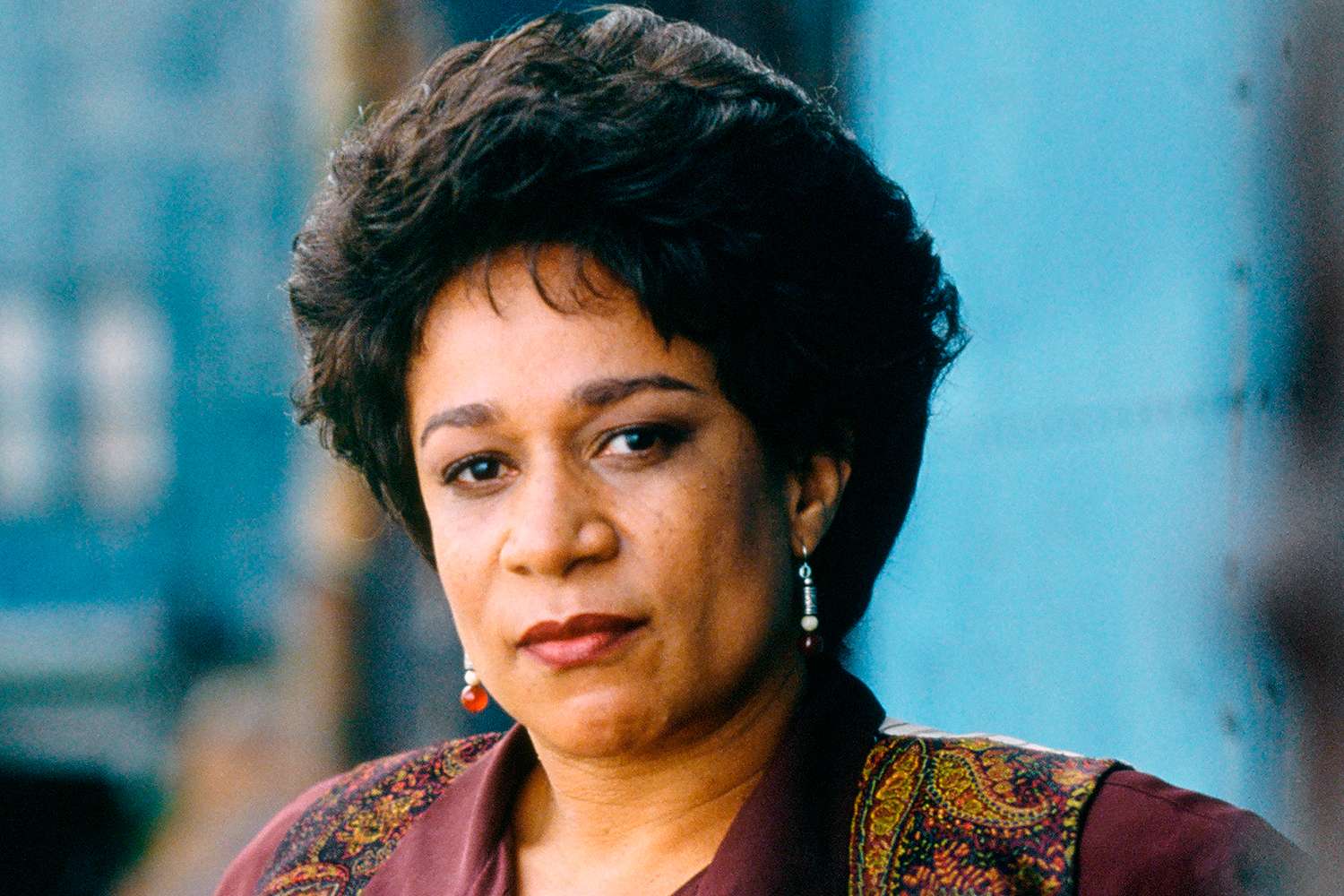
S. Epatha Merkerson has reflected upon her extensive tenure within the television procedural landscape, highlighting the operational dynamics and interpersonal relationships that defined her seventeen seasons on Law & Order. Her commentary offers an institutional perspective on long-running network television production, where sustained presence demands both professional resilience and collaborative stability. Within the framework of procedural dramas, the longevity of core characters establishes a structural anchor for audiences navigating shifting episodic narratives.
Among the various performers who cycled through the production over decades, Merkerson specifically identified Jerry Stiller as her favorite guest star during her interviews with People magazine. Stiller appeared in two episodes of the series, first in 1993 and subsequently in 1996, sharing scenes with Merkerson alongside cast members Benjamin Bratt and Jerry Orbach. Merkerson characterized Stiller’s contribution through his humor, interpersonal kindness, and engaging storytelling abilities during production cycles.
The institutional memory preserved by long-standing cast members illuminates the behind-the-scenes environment of network television production during its peak broadcast eras. Merkerson noted that she remains in close contact with former co-stars such as Jesse L. Martin and Benjamin Bratt, describing the ensemble as a lasting familial unit forged through years of demanding production schedules. This continuity among actors reflects the insular and enduring nature of New York-based television production crews during the late twentieth and early twenty-first centuries.
The Structural Foundations of a Decades-Long Career
Merkerson’s trajectory within the entertainment industry extends well beyond her recognizable role on Law & Order, encompassing foundational work across theater, television, and film. In her discussions with People, she explicitly credited casting director Meg Simon for shifting the trajectory of her professional life by recognizing her theatrical work. Simon’s early intervention led to Merkerson securing a role in a Broadway production of The Piano Lesson, which subsequently served as a critical stepping stone for high-profile castings.
The mechanisms of talent identification in professional theater frequently dictate long-term career viability in screen acting, illustrating the interconnected nature of casting networks. Producer Joe Stern observed Merkerson’s theatrical performance, an observation that directly preceded her involvement in procedural television and broader cinematic projects like Pee-wee’s Playhouse. These initial professional alignments demonstrate how institutional gatekeepers and casting professionals construct the foundational pipelines for sustained acting careers.
Throughout her nearly fifty-year career, Merkerson has witnessed generational shifts in production methodologies, observing the maturation of numerous child actors who crossed paths with her on set. This longitudinal perspective captures the shifting operational environments of episodic television, moving from traditional network broadcast models to contemporary streaming frameworks. Her ongoing presence in prominent television projects, including Chicago Med, underscores the enduring demand for classically staged actors within serialized television formats.
Institutional Continuity and Industry Impact
The continuity represented by actors who spend decades within a single franchise highlights a distinct era of television production characterized by stable network schedules and dedicated viewership bases. Procedural dramas rely heavily on the institutional knowledge embodied by veteran cast members who maintain the tonal consistency of the program across multiple casting iterations. Merkerson’s seventeen-season run places her among a select group of performers who have defined the structural integrity of long-form American television.
Furthermore, the acknowledgment of key industry figures such as Meg Simon and Joe Stern emphasizes the behind-the-scenes architecture that sustains the entertainment sector. Talent acquisition in the performing arts relies on localized networks of directors, producers, and casting executives who evaluate performance metrics in live theatrical settings before committing capital to screen projects. Merkerson’s public recognition of these early catalysts underscores the structural dependencies that govern professional progression in competitive creative markets.
As television production models continue to evolve under the pressures of digital distribution and shortened series orders, the multi-decade tenure exemplified by Law & Order represents a diminishing production paradigm. The personal bonds and collaborative histories cited by Merkerson reflect an operational tempo unique to traditional network television production schedules. Consequently, her reflections provide documented insight into the economic and professional ecosystems that enabled sustained, multi-year employment for character actors in the broadcast television sector.