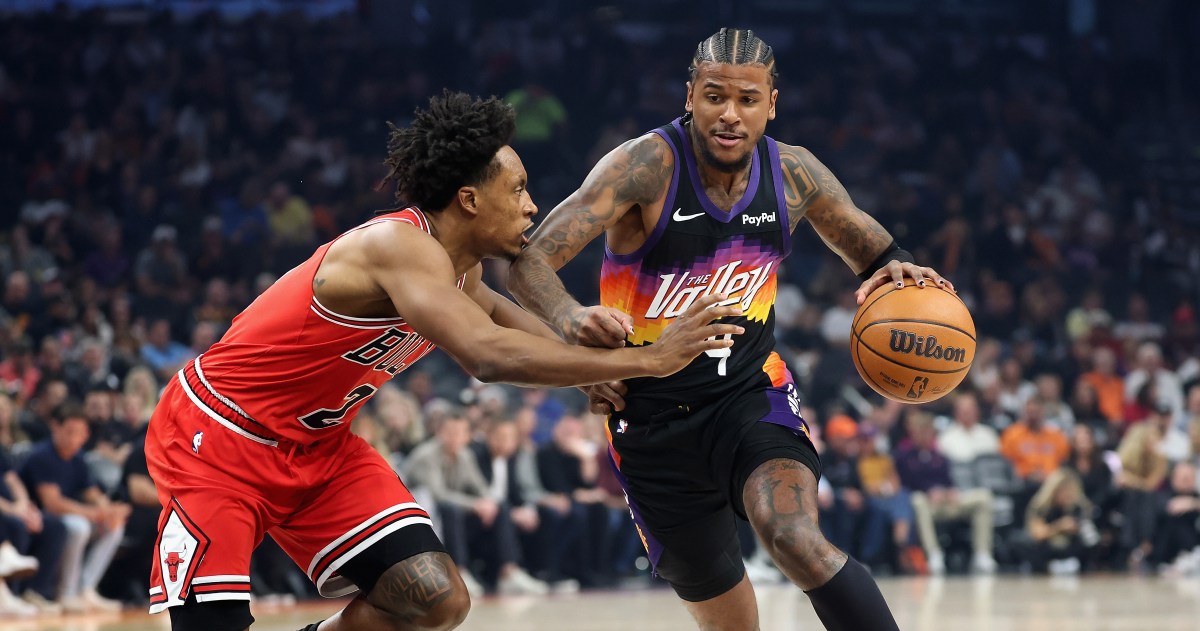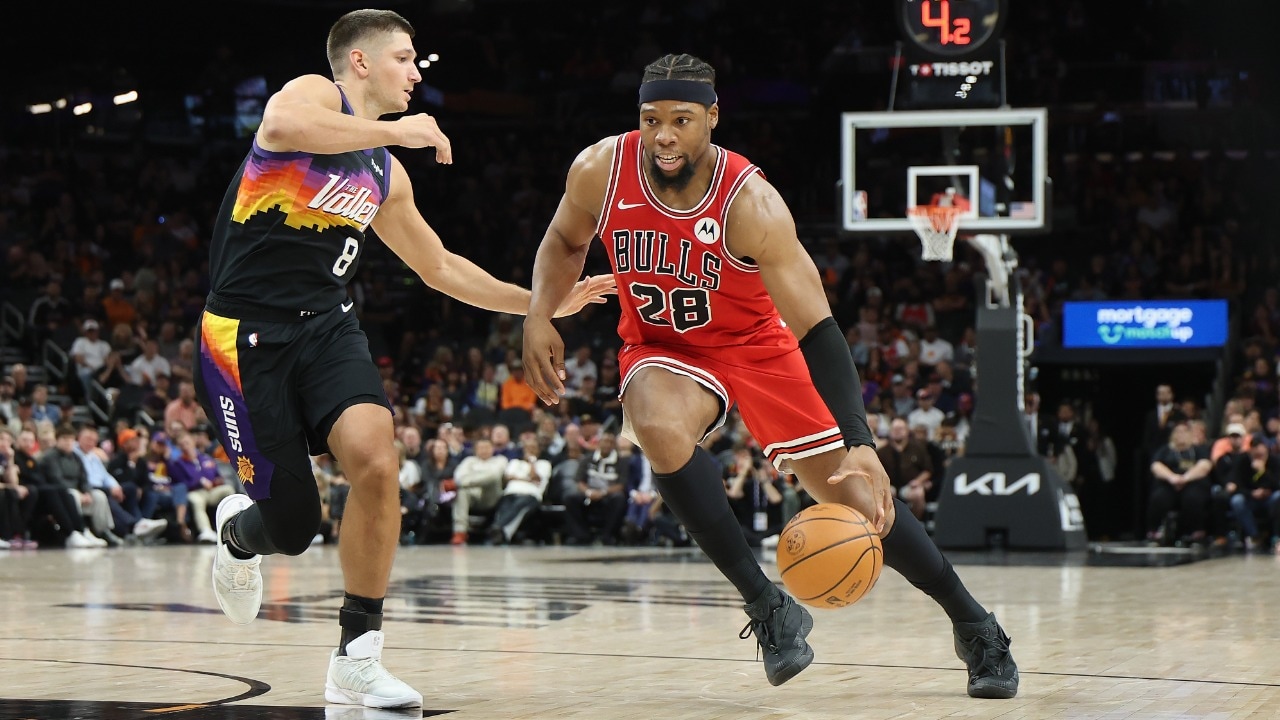
The Phoenix Suns enter the United Center for their 78th regular-season fixture, operating within a high-stakes convergence of competitive urgency and statistical volatility. Currently holding a 42-35 record, Phoenix is entrenched in a high-variance battle for the Western Conference’s seventh seed—a position that dictates the scale of postseason exposure and home-court leverage. This matchup represents a mandatory recovery point following a period of performance inconsistency, where the Suns have struggled to maintain offensive rhythm across their last ten contests.
Tactical Seeding and Offensive Efficiency Metrics
The Suns’ trajectory is currently hampered by a lack of offensive efficiency, a deficit that manifested in their previous loss to Chicago. Registering a field goal percentage of just 39.1% in that encounter, the team exposed a breakdown in shot selection and spatial execution. To stabilize their standing as the postseason window narrows, the coaching staff must recalibrate offensive sets to prioritize high-value scoring opportunities—specifically interior paint touches—over the low-percentage perimeter attempts that previously compromised their scoring floor.
From a structural standpoint, the inability to defend late-game leads suggests a systemic vulnerability in defensive rotations. For Phoenix, the incentive is absolute: a victory secures critical ground in the standings, while a loss compounds the risk of falling into the Play-In Tournament’s high-risk environment. The focus remains on mitigating performance regression and ensuring secondary scoring units can sustain intensity during the core rotation’s rest periods.
Institutional Incentives: Chicago’s Shift Toward Lottery Capital
Conversely, the Chicago Bulls are navigating a divergent set of institutional pressures. With a 29-47 record, the organization is positioned in a structural ‘no-man’s-land,’ just one game ahead of significant lottery-odds thresholds. This proximity to higher draft capital has fundamentally altered the Bulls’ incentive structure, triggering a strategic pivot toward asset preservation and developmental evaluation rather than immediate win-loss optimization.
The strategic sidelining of primary offensive options like Josh Giddey and Matas Buzelis reflects this transition. By managing player minutes and injury designations aggressively, the Bulls’ front office is effectively testing the ceiling of their secondary developmental units. This roster contraction reduces Chicago’s offensive ceiling but aligns with the long-term goal of securing franchise-altering talent in the upcoming draft cycle, prioritizing future cap flexibility and draft positioning over current season outcomes.
Frontcourt Deficits and Interior Exploitation
Chicago’s roster depletion has created a systemic vacuum in the frontcourt rotation. With key interior defenders and rim protectors sidelined, the Bulls face a critical lack of size and rebounding depth. This operational deficit presents a clear tactical advantage for Phoenix, necessitating an aggressive approach to post-play and second-chance points. The Suns must leverage their size advantage to dominate the glass, as a failure to control the paint against a compromised rotation would indicate a continued lack of operational discipline.
Stakeholder Impact and Media Market Dynamics
The broadcast landscape underscores the regional and national importance of this late-season push. Carried by Arizona’s Family 3TV and Arizona’s Family Sports, alongside a national feed on NBATV, the game serves as a critical touchpoint for stakeholders. High-visibility games during the seeding race are essential for maintaining regional sports network (RSN) value and driving fan engagement as the Suns transition into the postseason marketing cycle. For the Bulls, the narrative focuses on talent evaluation within a primary market, gauging the viability of their developmental pipeline for the 2025-26 season.
Conclusion: The Intersection of Urgency and Strategy
The narrative of this cross-conference meeting is defined by the tension between immediate postseason survival and long-term asset management. Phoenix must overcome its recent history of shooting variance to secure a win essential for its playoff trajectory. Simultaneously, Chicago continues to navigate the complexities of a season that has shifted toward strategic reconstruction. While the Bulls have shown the capacity for upsets, the structural advantage lies with a Phoenix roster that is running out of time to find championship-level cohesion.