Yankees Pitching Rotation Disrupted by Weathers’ Illness
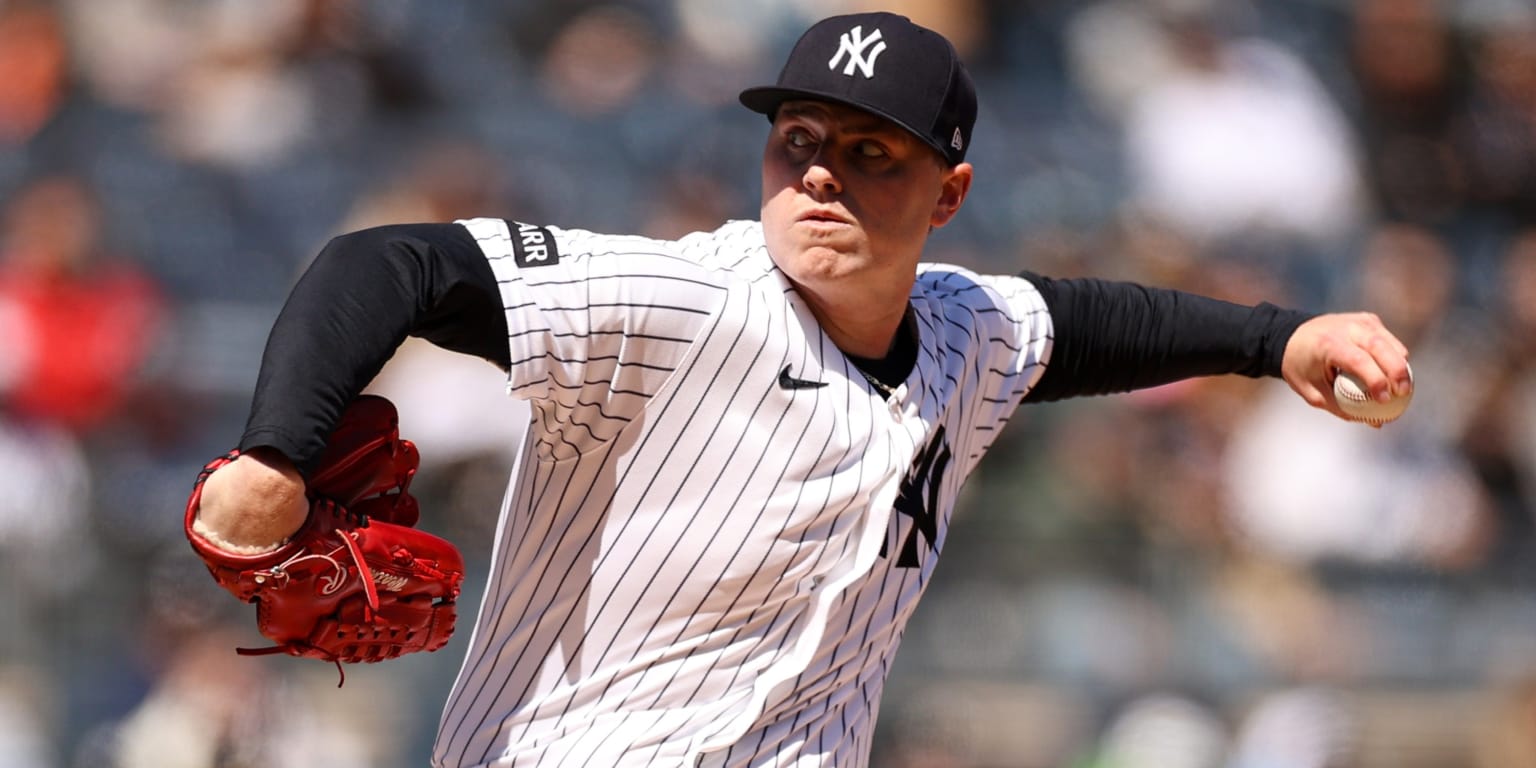
The New York Yankees’ pitching rotation faces an unexpected challenge as left-hander Ryan Weathers has been scratched from his scheduled start against the Texas Rangers due to a viral infection. This necessitates a strategic shift, with veteran Paul Blackburn stepping into the starting role for the critical getaway game of the series.
Weathers experienced a significant physical decline from the illness, including a nine-pound weight loss and high fever, rendering him unable to pitch. His condition underscores the vulnerability of even established players to acute health issues and their immediate impact on team strategy. Prioritizing arm health by foregoing the start, despite the team’s pursuit of a sixth consecutive series win, reflects an organizational emphasis on long-term player welfare.
Strategic Implications of Weathers’ Absence
The Yankees’ decision to utilize Paul Blackburn, primarily a reliever with limited experience in extended outings, signals a potential lean towards a bullpen-heavy approach. This strategy is potentially bolstered by the availability of rested high-leverage relief arms from the previous game. Such a tactical pivot demonstrates the interplay between roster management and game-day strategy, where player availability directly dictates operational approaches.
The call-up of Brendan Beck from Triple-A for a potential debut further illustrates the organization’s proactive measures to fortify pitching depth amid unforeseen circumstances. The simultaneous optioning of Yerry De los Santos suggests a dynamic roster management system, responsive to immediate needs and performance assessments. This fluidity in the lower roster tiers is crucial for maintaining competitive depth.
Performance Leverage and Capital Allocation
Ryan Weathers’ recent performance, including a win against the Baltimore Orioles, makes his absence a notable disruption. His severe debilitation, marked by substantial weight loss and inability to consume fluids, exemplifies the extreme physiological demands on athletes. The subsequent medical intervention, including IV treatment, highlights the support systems in place for player recovery.
The projected timeline for Weathers’ return, with a bullpen session planned for Friday and a potential rotation rejoining on Monday in Baltimore, indicates a measured recovery strategy. This phased reintegration aims to prevent re-injury and ensure full readiness, representing a significant investment in player health and performance longevity. The club’s willingness to absorb a potential short-term competitive disadvantage for long-term pitcher efficacy showcases strategic resource allocation prioritizing sustained performance.
Operational Bottlenecks and Competitive Landscape
The reliance on Paul Blackburn for a starting role, despite his reliever designation, exposes a potential bottleneck in starting pitching depth. While Blackburn possesses MLB starting experience, his recent usage pattern suggests he may not be conditioned for a full starter’s workload, potentially overtaxing the bullpen and increasing in-game risk.
The highly competitive American League East division amplifies the significance of pitching disruptions. Consistent starting pitching is paramount for maintaining a competitive edge. Perceived weaknesses in a rotation can be exploited by rivals, influencing market narratives and playoff seeding. The Yankees’ ability to navigate these challenges will be critical to their success.
Downstream Effects and Stakeholder Impact
Weathers’ illness creates ripple effects impacting player morale, fan expectations, and the team’s divisional and wild card positioning. Uncertainty can temper fan enthusiasm, while the organization faces continuous talent evaluation and potential acquisition needs. Media narratives will likely scrutinize the Yankees’ resilience and adaptability.
From a financial standpoint, sustained player performance is tied to revenue streams like ticket sales and merchandise. Player absences or consistent performance struggles due to pitching instability can indirectly affect these indicators. The club’s investment in player health, as demonstrated in Weathers’ recovery management, is strategic for safeguarding revenue and team valuation.
Institutional Strategy and Performance Leverage
The Yankees’ organizational structure likely emphasizes a deep farm system and robust scouting to identify and develop talent capable of filling such voids. Brendan Beck’s call-up exemplifies this strategy, enabling the team to address unforeseen circumstances without significant on-field performance compromise or substantial immediate costs for external replacements.
Strategic decision-making balances short-term game objectives with long-term organizational health. Player health, workload, and recovery management, as seen with Weathers, are critical components. Protecting key assets maximizes their performance leverage throughout a demanding season and championship pursuit.
Market Dynamics and Competitive Positioning
In Major League Baseball’s competitive landscape, particularly the AL East, pitching depth is a critical success determinant. The illness of a key pitcher and reliance on a reliever can create perceived vulnerability, subject to scrutiny by opponents and analysts. This scrutiny can influence market perceptions, including betting lines and trade deadline valuations.
The Yankees’ proactive roster management, including calling up additional talent, demonstrates an understanding of these market dynamics. It signals preparedness to adapt and mitigate disruptions, crucial for maintaining a strong competitive position and assuring players and staff of the team’s capacity to handle challenges.
Broader Industry Implications
The Ryan Weathers incident reflects broader challenges in managing player health and performance in professional sports. Advances in sports medicine and understanding of overexertion have led to more nuanced player management. Protocols for illness recovery, injury prevention, and workload management are vital for maximizing player longevity and team success.
Financial implications are substantial, with player contracts and team valuations tied to availability and performance. Investments in player development and health infrastructure are strategic capital expenditures. The Yankees’ handling of this situation aligns with industry trends toward data-driven management and a holistic approach to athlete well-being, recognizing it as a driver of competitive advantage.