
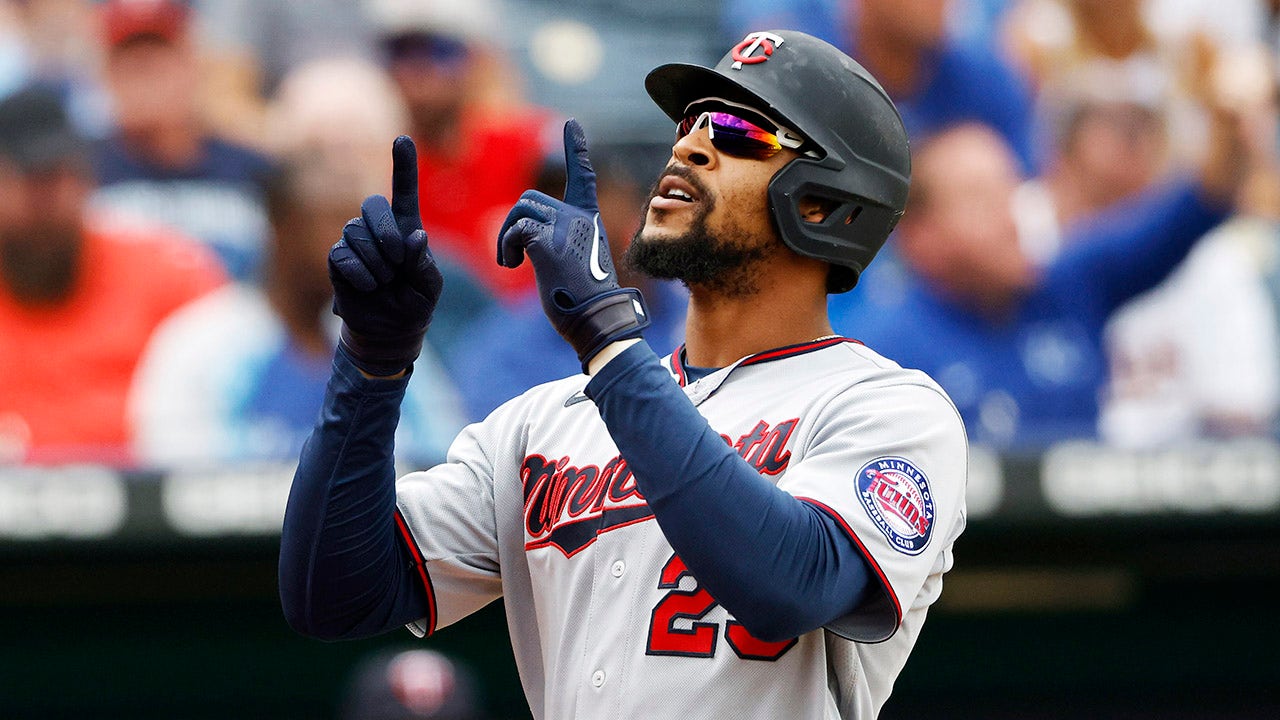
The New York Yankees’ 5-2 victory over the Minnesota Twins on July 3, 2026, serves as a diagnostic of divergent institutional trajectories. While the win stabilizes a Yankees rotation recently plagued by volatility, it simultaneously illuminates the structural limitations of a Minnesota roster caught between a competitive rebuild and total market liquidation.
Tactical Exploitation of Platoon Splits
The strategic foundation of New York’s success rested on a calculated exploitation of the Twins’ offensive bifurcation. Minnesota entered the contest with a respectable 112 wRC+ against right-handers, contrasted by a dismal 89 wRC+ against southpaws, ranking 23rd in the league. Yankees’ starter Ryan Weathers capitalized on this operational vulnerability, bolstered by a statistically significant 0.66 ERA in day games. This performance leverage allowed the Yankees to dictate pace, effectively neutralizing a lineup that lacks depth beyond the individual brilliance of Byron Buxton.
Management further optimized this advantage by front-loading the order with five left-handed hitters. This configuration, including switch-hitter Jasson Domínguez, maximized pressure on Joe Ryan, whose recent splits indicate increased susceptibility to left-handed power. By disrupting Ryan’s rhythm early, the Yankees implemented a data-driven corrective to the previous day’s pitching failures, preventing a momentum collapse in the American League standings.
Asset Liquidation and the 80-Win Paradox
Minnesota’s 43-47 record places the franchise in a precarious ’80-win pace’—a mediocrity trap that precludes postseason viability while sacrificing high draft capital. This reality acts as a catalyst for trade speculation surrounding the team’s most valuable assets: Byron Buxton and Joe Ryan. Currently ranked as the second and third most valuable trade chips in the league, these players represent a surplus of capital that could be liquidated to accelerate a long-term organizational overhaul.
For contenders, acquiring a talent of Buxton’s caliber or a starter like Ryan offers transformative performance leverage for a championship run. The Twins’ front office must now perform a cold-eyed assessment: whether the cultural cost of moving franchise cornerstones outweighs the structural benefits of acquiring a massive haul of prospects and financial flexibility.
Operational Consistency and Systemic Failure
The Yankees’ ability to extract high-value starts from Weathers—this being his fifth consecutive outing against an AL Central opponent—demonstrates sophisticated rotation management. By aligning his starts with favorable day-game conditions and divisional familiarity, New York has maximized output while minimizing exposure. Conversely, the Twins’ inability to adjust to southpaw delivery suggests a systemic failure in roster construction, specifically an over-reliance on right-handed power that elite rotations can easily dismantle.
As the series concludes, the Yankees emerge with a validated model of tactical flexibility and youth integration. For Minnesota, the 5-2 defeat is a sobering signal that their current roster has reached its ceiling, likely necessitating a strategic pivot before the trade deadline to reshape the competitive landscape of the American League.

Photo by avflores on Pixabay.