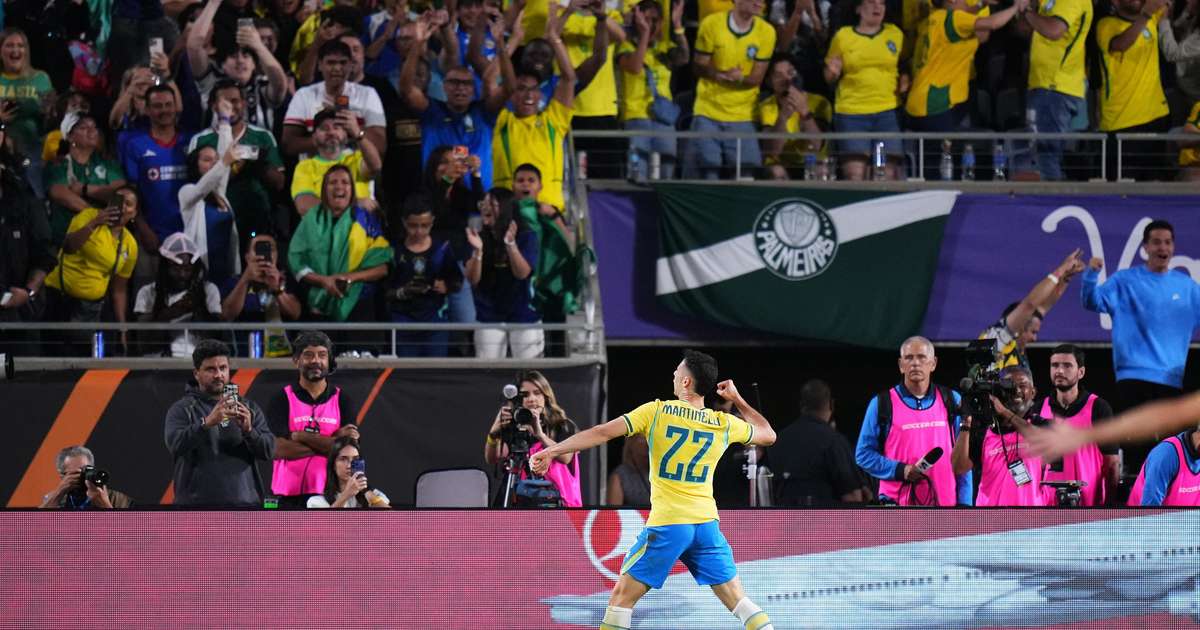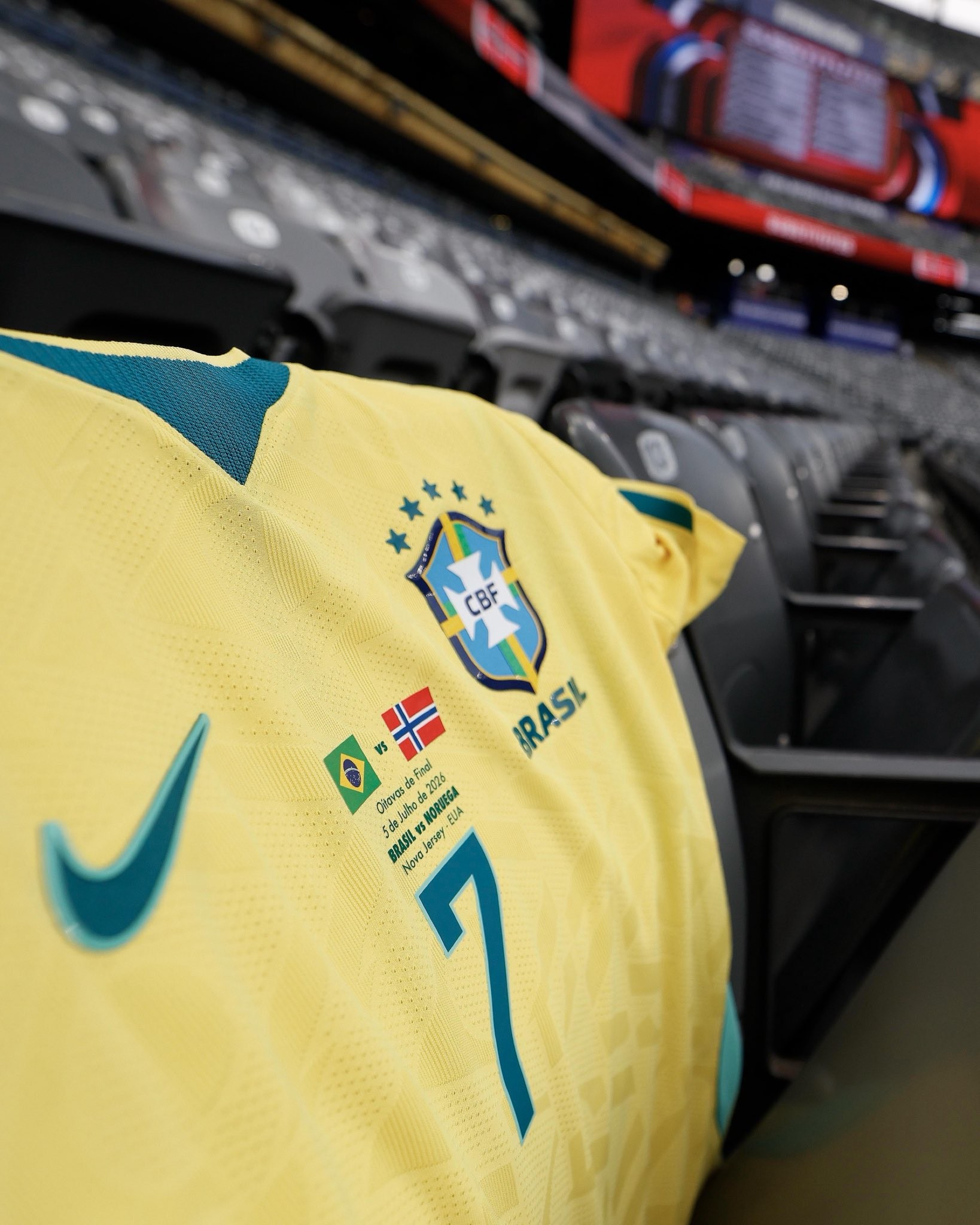
Brazil’s strategic calculus for the FIFA World Cup Round of 16 clash against Norway mandates a pivotal personnel adjustment: coach Carlo Ancelotti has selected Gabriel Martinelli to replace the injured Lucas Paquetá. This high-stakes decision represents a tactical recalibration aimed at optimizing offensive dynamics at a critical tournament juncture.
Ancelotti’s rationale for integrating Martinelli into the starting XI, particularly for a knockout fixture, stems from a granular assessment of immediate performance potential and tactical synergy. Citing Martinelli’s recent goal against Japan as a key performance metric, the coach underscored the forward’s exceptional current form, motivational impetus, and physical readiness as decisive factors in this critical human capital deployment.
Strategic Rationale and Performance Leverage
Martinelli’s selection transcends a mere like-for-like substitution; it signifies a deliberate strategic pivot engineered to amplify Brazil’s attacking dynamism. Ancelotti’s tactical design positions Martinelli in a center-left role, facilitating dynamic positional interchange with Vini Jr. This configuration, demonstrably effective in a prior World Cup qualifier against Paraguay, provides a validated operational blueprint for anticipated offensive efficacy.
This strategic deployment meticulously leverages specific player attributes to forge a competitive advantage, especially within the minimal error margins of tournament knockout stages. Ancelotti’s confidence in Martinelli’s capacity to replicate historical synergistic performances with Vini Jr. signals a calculated effort to unlock complex offensive pathways and sustain an aggressive, high-tempo attacking rhythm against a formidable adversary.
Furthermore, this decision epitomizes a proactive risk-management strategy, activating deep talent reserves to mitigate the impact of unforeseen challenges like key player injuries. Martinelli’s ascent from a ‘classification hero’ against Japan to a starting role against Norway exemplifies a meritocratic selection framework, rigorously rewarding impactful contributions and peak current form.
Operational Decision-Making and Talent Management
The selection process for this critical role involved rigorous internal competition, with Danilo Santos presenting a strong alternative. Intensive training sessions, notably on Friday and Saturday, served as crucial operational proving grounds where Martinelli consistently demonstrated superior tactical assimilation and requisite match readiness, thereby securing the starting berth.
This structured, performance-driven evaluation within the national team apparatus reflects sophisticated talent lifecycle management, ensuring personnel decisions are empirically informed and optimized for competitive exigencies. The transparent competition for a starting position, even amid a major tournament, reinforces accountability and incentivizes sustained peak performance across the entire squad.
The management of key injured assets, specifically Lucas Paquetá, introduces a multi-faceted operational challenge impacting national federations and club stakeholders. Paquetá’s injury, potentially sidelining him until a hypothetical final, necessitates immediate tactical recalibrations while simultaneously balancing long-term player welfare, rehabilitation protocols, and substantial club investment considerations.
Competitive Positioning and Tactical Implications
Martinelli’s deployment on the left flank, engineered for fluid interchange with Vini Jr., fundamentally reconfigures Brazil’s offensive architecture and competitive posture. This tactical scheme aims to generate maximal fluidity and unpredictability in the final third, strategically exploiting defensive vulnerabilities through dynamic positional rotation and combined attacking prowess.
The emphasis on an offensive wide player over a more traditional central midfielder, such as Danilo Santos, clearly signals a strategic intent to assert higher-pitch possession dominance and accelerate direct goal-scoring opportunities. This aggressive tactical disposition constitutes a calculated risk, potentially trading a degree of central midfield solidity for a projected increase in offensive output within a knockout stage imperative.
For Norway, this revised Brazilian lineup presents an immediate and acute tactical conundrum, demanding rapid adjustments to their defensive schemes and midfield pressing strategies. Brazil’s altered attacking profile, characterized by Martinelli’s directness, pace, and goal-scoring threat, necessitates a swift recalibration of their defensive approach to effectively neutralize these evolving offensive threats.
Player Asset Valuation and Market Dynamics
A starting role in a FIFA World Cup knockout fixture represents a potent inflection point for a player’s market valuation and long-term career trajectory. For Gabriel Martinelli, this amplified global exposure and the opportunity to execute under immense pressure directly enhance his intrinsic brand equity and projected transfer value, yielding significant financial benefits for both the athlete and his club, Arsenal.
Conversely, Lucas Paquetá’s injury and potential absence from critical tournament matches, despite his established market value, introduce an element of short-term valuation volatility and long-term career planning uncertainty. The strategic timing of such an injury during a World Cup can critically impact endorsement opportunities, future contractual negotiations, and the overall market perception for both players and their affiliated clubs, such as Flamengo.
The intense competitive dynamics within the squad, exemplified by players like Martinelli and Danilo Santos vying for starting positions, also exerts significant influence on their respective market positions. Elite performances in high-profile matches function as powerful market signals, attracting heightened interest from top-tier global clubs and potentially escalating transfer fees and salary expectations across the international football market.
Risk and Reward Calculus for Stakeholders
Ancelotti’s strategic decision embodies a quintessential risk-reward calculus inherent in high-performance sports management. The primary operational risk involves potentially disrupting established team cohesion or tactical balance by integrating a new starter into a mission-critical match. However, the projected reward of unlocking superior offensive output and securing progression to the quarter-finals is substantial, strategically justifying this calculated gamble.
For Martinelli, the personal reward is immense: a definitive opportunity to solidify his status as a global football luminary and significantly elevate his professional standing. The inherent risk, however, encompasses the immense performance pressure of a World Cup knockout tie, where an suboptimal performance could attract considerable media scrutiny and decelerate the positive momentum accrued from his prior impactful contributions.
Stakeholders, including the Brazilian Football Confederation, its commercial partners, and global broadcasters, are intrinsically exposed to the outcomes of such strategic executive decisions. A successful tournament campaign, demonstrably propelled by impactful player selections, enhances national brand equity, boosts commercial revenue streams, and fortifies the overall institutional value of Brazilian football on the international stage.
Institutional Strategy and Squad Depth
The judicious management of squad depth and the strategic cultivation of talent constitute foundational pillars of any enduringly successful national football program. Ancelotti’s adept capacity to seamlessly integrate Martinelli, a player consistently demonstrating tactical versatility and high-impact contributions, unequivocally affirms the profound talent reservoir within the Brazilian football system and the institutional agility to adapt to unforeseen exigencies.
This incident profoundly underscores the critical imperative for a robust talent pipeline, meticulously preparing emerging players to competently assume high-pressure roles when established stars are rendered unavailable. Such organizational resilience is absolutely crucial for sustained competitive success in major international tournaments, effectively mitigating the disruptive impact of injuries or disciplinary suspensions.
The national team’s overarching long-term strategy encompasses not only immediate tournament victory but also the continuous nurturing of a world-class talent continuum. Decisions executed in the acute pressure of a World Cup, such as promoting an in-form, high-potential young player, directly contribute to this broader institutional objective, actively shaping the future competitive landscape of Brazilian football excellence.
Commercial and Media Ecosystem Impact
High-stakes fixtures within the FIFA World Cup generate unparalleled global media scrutiny and audience engagement, fundamentally transforming individual player performances and coaching decisions into narratives of profound national and international resonance. Ancelotti’s pivotal selection of Martinelli will inevitably become a central analytical theme in pre-match discourse and post-match commentary, significantly driving content engagement across both traditional and burgeoning digital media platforms.
For commercial partners and official sponsors, the emergence of new on-field heroes or the strategic deployment of key impact players directly amplifies brand visibility and optimizes consumer engagement metrics. A successful tournament progression, demonstrably fueled by impactful performances from talents like Martinelli, directly translates into expanded audience reach and an enhanced return on investment for commercial entities strategically aligned with the Brazilian national team brand.
The compelling narrative surrounding critical player injuries and subsequent tactical adjustments also contributes substantively to the broader media ecosystem, meticulously crafting captivating storylines that resonate with global audiences. This perpetual flux of real-time information and expert analysis profoundly underscores the symbiotic interrelationship between elite sporting performance, comprehensive media coverage, and sophisticated commercial value generation within the global football industry.
Concluding Strategic Outlook
Ancelotti’s strategic imperative to deploy Gabriel Martinelli against Norway transcends a mere tactical substitution; it serves as an illustrative microcosm of sophisticated strategic management within the high-performance, multi-billion dollar global sports industry. It encapsulates the intricate interplay of performance-based meritocracy, innovative tactical formulation, optimal human capital deployment, and proactive risk mitigation that fundamentally defines success at the elite competitive stratum.
The comprehensive implications of this executive decision reverberate across operational, financial, and competitive dimensions, profoundly influencing individual player market valuations, the team’s overarching strategic positioning, and the broader commercial landscape of international football. As Brazil navigates the exacting knockout stages of the World Cup, the efficacy of this calculated strategic gambit will be subjected to rigorous empirical testing, yielding profound and far-reaching consequences for all implicated stakeholders.