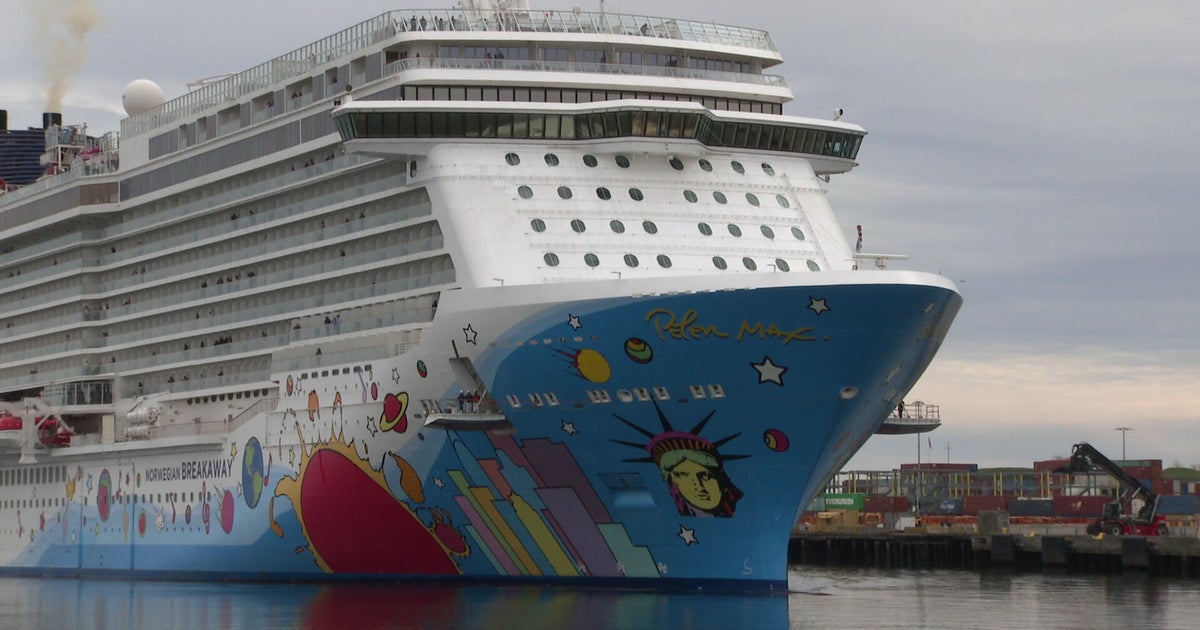
The overboard incident involving a crew member on the Norwegian Breakaway off the coast of Massachusetts provides a critical case study in the intersection of maritime safety protocols and large-scale commercial logistics. When surveillance footage identified a person falling from the vessel approximately 12 miles off Wellfleet, the transition from a standard transit to an active search and rescue (SAR) operation necessitated an immediate pivot in institutional command.
Technological Verification and Tactical Response
The role of integrated surveillance systems was the primary catalyst for the federal response. By providing a definitive time-stamp and geographic coordinate, onboard security footage eliminated the ‘uncertainty phase’ often associated with missing persons at sea. This precision allowed the U.S. Coast Guard (USCG) to initialize drift modeling with high-confidence data, a variable that dictates the probability of detection (POD) within the search area.
In accordance with Safety of Life at Sea (SOLAS) international standards, the ship-wide mobilization and deployment of internal lifeboats served as the immediate tactical layer. This internal maneuver provides a surface-level response during the transit time required for external federal assets, such as the MH-60 Jayhawk helicopters deployed from Air Station Cape Cod.
Federal SAR Coordination and Procedural Thresholds
The involvement of USCG Sector Southeastern New England highlights the tiered nature of maritime emergency management. The search parameters were adjusted based on telemetry and environmental variables, including sea state and current velocity off the Cape Cod coast. However, the suspension of the search—categorized as ‘pending new information’—reflects rigid procedural thresholds. This decision is reached when the search area has been saturated and the window of survivability, calculated against water temperature and thermal protection, has been statistically exceeded.
Macro-Logistical Impact on Port Operations
The delay in the Norwegian Breakaway’s return to Boston’s Black Falcon Terminal created immediate friction within the cruise ‘turnaround’ ecosystem. This 24-hour window is a highly choreographed sequence where disembarkation, victualing, and re-embarkation of thousands of passengers occur simultaneously. The resulting cascade of delays impacted terminal labor scheduling, local transportation networks, and passenger throughput, highlighting the vulnerability of tightly scheduled maritime itineraries to emergency disruptions.
Institutional Risk and Safety Infrastructure
For stakeholders, the incident underscores the necessity of moving toward proactive safety barriers. While reactive surveillance (CCTV review) was effective for verification, the industry is seeing a shift toward automated Man-Overboard (MOB) detection systems using thermal imaging and AI. Such investments are increasingly viewed through the lens of liability management and operational continuity, as they potentially reduce the ‘time-to-water’ for rescue assets and mitigate the reputational risks associated with maritime fatalities.