Strategic Implications of Severe Weather Alerts in the Kansas City Metro Area
The Kansas City metropolitan area experienced a series of severe weather events on April 27, 2026, triggering multiple warnings for thunderstorms, flash flooding, and potential tornadoes across several counties in both Kansas and Missouri. The rapid succession of alerts issued by the National Weather Service (NWS) and disseminated by local media outlets highlights the operational complexities inherent in managing high-stakes, rapidly evolving environmental risks within a major urban center that spans state lines.
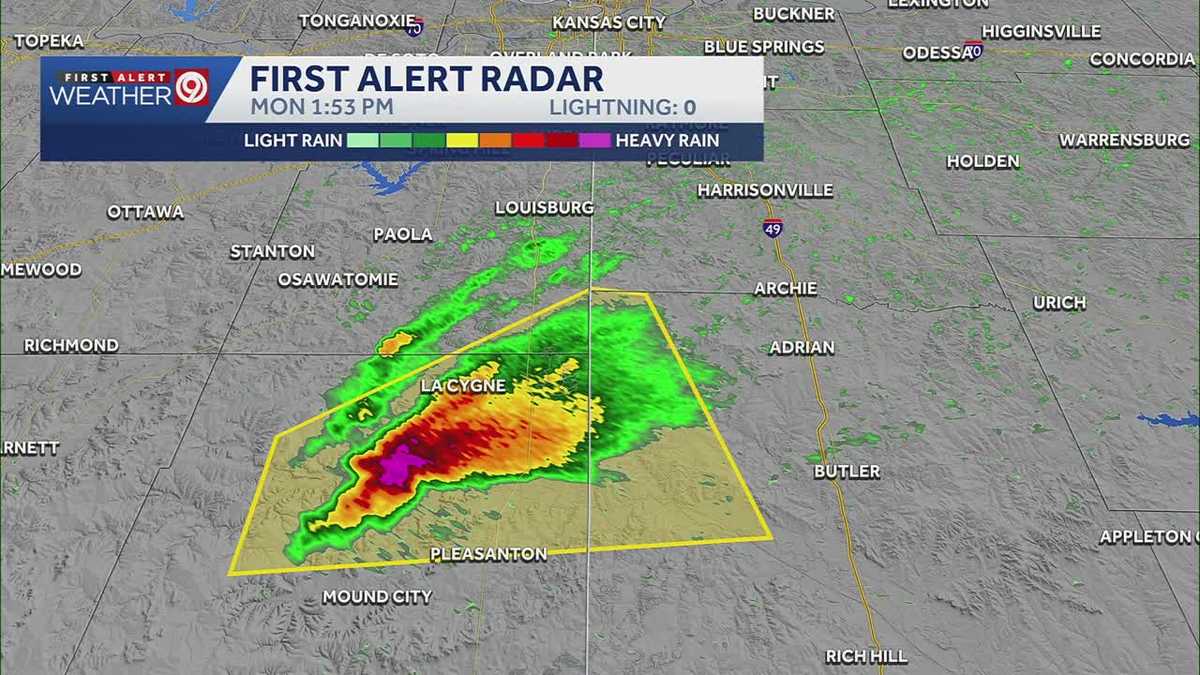
The timeline of events, documented by local news sources, shows a dynamic situation where warnings were issued, adjusted, and updated within minutes. At 2:07 p.m., a severe thunderstorm warning was issued for Linn and Miami Counties in Kansas, and Bates, Cass, Henry, Johnson, and Lafayette Counties in Missouri. This was immediately followed by a severe thunderstorm watch at 2:08 p.m. for a broader set of counties. Subsequent updates at 2:18 p.m. and 2:33 p.m. showed specific counties being removed from or added to warnings, indicating a highly fluid risk environment requiring continuous monitoring and communication.
Competitive Dynamics in Crisis Communication and Public Alert Fatigue
The response to the severe weather event reveals a competitive landscape among local media organizations, where the speed and accuracy of information dissemination are critical strategic assets. The source material references multiple news outlets, including KMBC 9 News and KCTV 5, each promoting proprietary alert systems and branding, such as the “First Alert Weather Team” and “First Warn 5 Weather Team.” This branding emphasizes a competitive advantage in providing timely warnings, which directly impacts audience share and brand loyalty during high-stakes events.
The shift in media strategy from traditional broadcast to digital platforms is evident in the specific calls to action provided by the news outlets. Viewers were encouraged to download specific mobile applications and sign up for customized geo-alerts. This approach transforms emergency communication into a direct-to-consumer channel, allowing media organizations to bypass traditional broadcast schedules and deliver geo-specific information instantly. The ability to provide real-time updates and personalized alerts creates a significant competitive differentiator in the local media market.
Furthermore, the rapid succession of alerts and warnings, particularly in a high-density metropolitan area, introduces the critical challenge of “alert fatigue.” When warnings are frequent and sometimes do not result in significant local impact, public compliance with safety directives can diminish over time. Emergency management agencies must balance the need for comprehensive warnings with the risk of over-alerting the public, highlighting a fundamental tension between competitive media strategy and public safety outcomes.
Operational Resilience and Supply Chain Vulnerability
The severe weather warnings, particularly for flash flooding and hail, carry significant operational implications for public infrastructure and business logistics within the Kansas City metropolitan area. As a major transportation hub, the region’s supply chain relies on critical arteries for freight and passenger traffic. Flash flooding warnings in counties like Cass, Johnson, and Lafayette directly threaten the continuity of operations for logistics companies and supply chains that rely on these routes.
The rapid issuance and modification of warnings necessitate immediate decision-making by transportation and logistics managers. The need to reroute shipments, delay deliveries, and ensure employee safety creates operational bottlenecks and increases costs. The specific mention of hail further highlights risks to agricultural assets and physical property, impacting business continuity planning and insurance exposure for enterprises in the affected areas.
For public infrastructure agencies, the rapid changes in warnings require immediate resource allocation for flood response and damage mitigation. The coordination across multiple counties and two state jurisdictions (Kansas and Missouri) adds layers of complexity to emergency management. The effectiveness of the response relies on seamless communication between state-level emergency services, local public works departments, and the NWS, ensuring resources are deployed efficiently to areas under immediate threat.
Actuarial Risk Modeling and Policy Implications
The documented severe weather events contribute directly to the actuarial models used by the insurance industry to assess risk and set premiums. The specific mention of hail and flash flooding identifies two primary sources of property and casualty insurance claims. The frequency and intensity of such events in the Kansas City area directly impact the financial exposure of insurers operating in the region.
Insurers utilize historical data from events like those documented on April 27, 2026, to refine risk models and determine capital requirements for reinsurance. A high frequency of severe weather events can lead to increased premiums for homeowners and businesses, potentially impacting regional economic development and housing affordability. The data collected from these events helps insurers quantify the potential for catastrophic losses and adjust their underwriting strategies accordingly.
The specific nature of the warnings—severe thunderstorms, flash flooding, and hail—indicates a pattern of high-intensity, localized events. This type of weather pattern presents unique challenges for risk modeling, as damage can be highly variable across small geographical areas. The source data, detailing county-level warnings, provides specific inputs for these models, allowing insurers to differentiate risk exposure within the metropolitan area rather than applying broad regional assumptions. From a policy perspective, this data reinforces the importance of inter-jurisdictional cooperation between Kansas and Missouri for unified emergency management and informs future infrastructure investments to mitigate long-term economic risk.