Tactical Asymmetry in the Delayed 2026 Divisional Opener
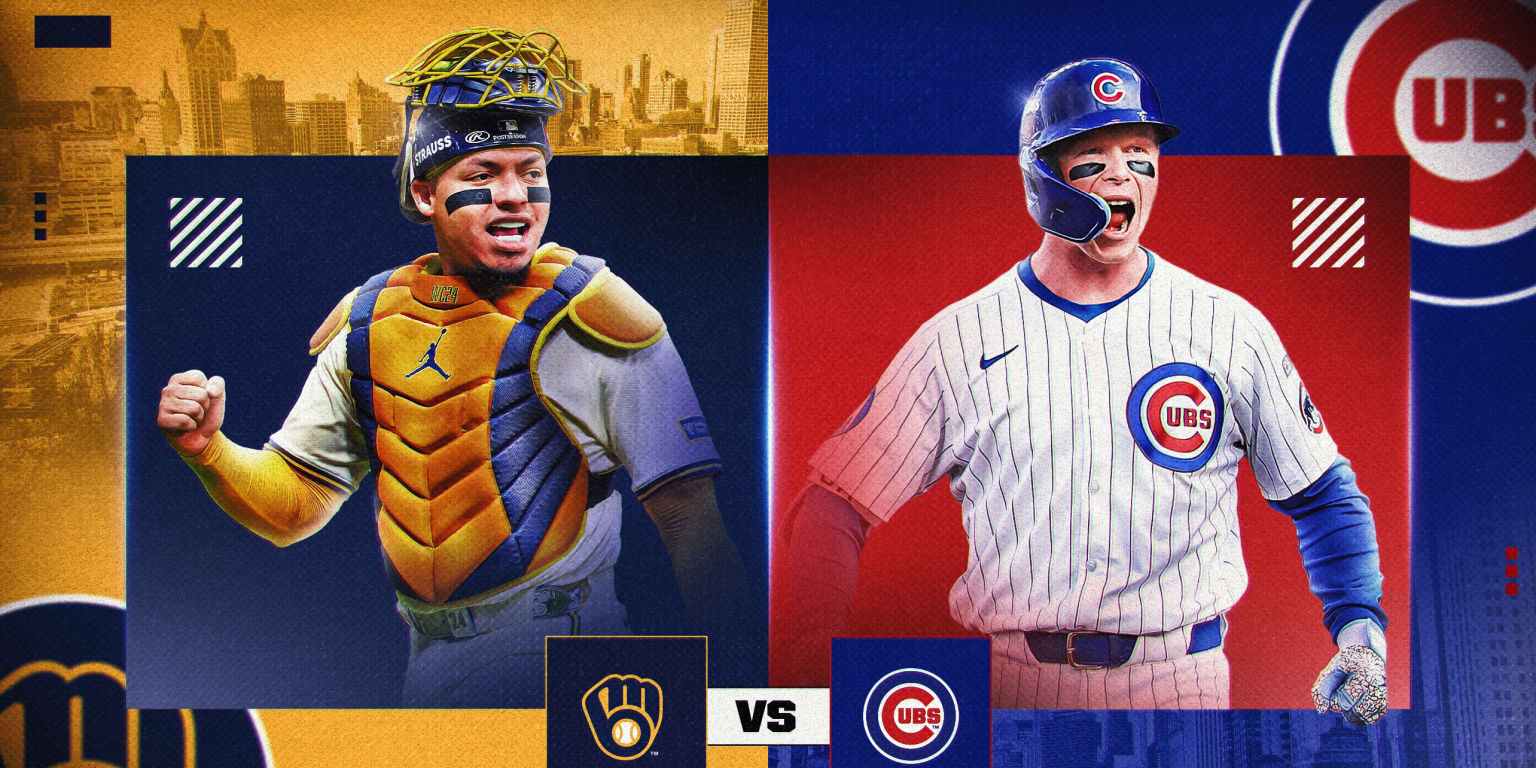
The 2026 National League Central landscape reaches a critical inflection point as the Milwaukee Brewers and Chicago Cubs initiate their first seasonal encounter at Wrigley Field. This 48-game delay—the longest scheduling gap for this rivalry since 2004—has allowed both organizations to establish distinct statistical baselines, removing the noise of early-season variance and replacing it with established performance metrics.
The lack of head-to-head data has created a scouting vacuum. Coaching staffs are currently forced to extrapolate tactical advantages from disparate common opponents rather than recent direct tendencies. This shift places a premium on mid-series adjustments, where the institutional familiarity usually forged in April must be compressed into a high-leverage late-May introduction.
For the Chicago Cubs (29-18), the series is a defensive exercise in lead preservation, protecting a 1.5-game margin built on sustainable defensive efficiency. Conversely, the three-time defending champion Brewers (26-18) seek to neutralize Chicago’s consistency by deploying a high-contact offensive model designed to exploit marginal defensive lapses.
Roster Evolution and the 2025 NLDS Psychological Ceiling
While the 2025 National League Division Series provides the psychological backdrop for this matchup, the 2026 rosters represent a significant structural departure. The integration of high-ceiling prospects and targeted acquisitions has effectively reset the tactical parameters, rendering the 2025 postseason data points secondary to current physical health and mechanical adjustments.
Nico Hoerner’s assessment highlights this turnover, noting that the infusion of new personnel has diluted the historical weight of past postseason outcomes. For Milwaukee, the challenge is balancing the veteran composure of their core with the volatility of younger assets. For Chicago, the objective is to leverage home-field atmosphere to stress-test Milwaukee’s integration of these newer contributors in high-leverage environments.
Efficiency Metrics: Milwaukee’s Low-Power, High-Output Model
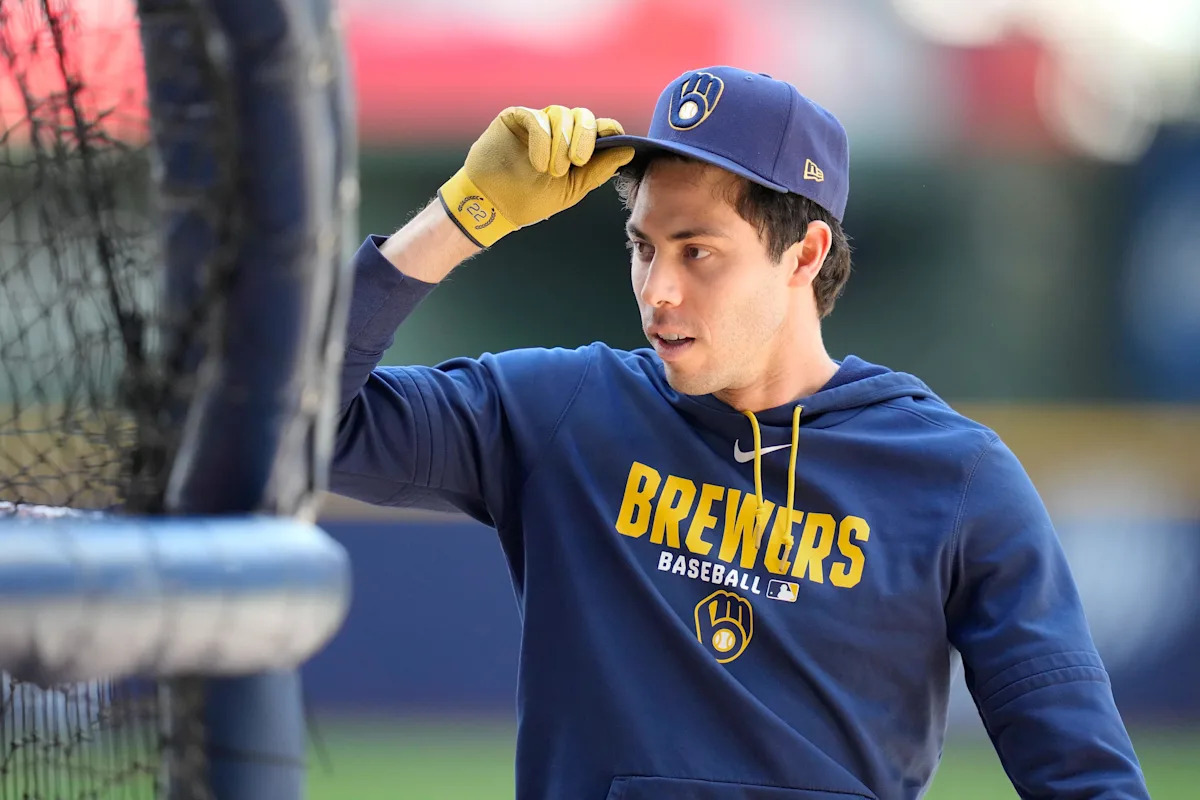
The Brewers’ offensive profile serves as a fascination for modern analytics, maintaining a top-tier divisional standing despite a league-worst home run rate. Their 26-18 record is a product of ‘small ball’ optimization: high-contact rates, aggressive secondary-base taking, and elite run manufacturing. The return of Christian Yelich and Jackson Chourio reinforces this high-intensity operational style, providing the depth necessary to sustain pressure across nine innings.
This methodology insulates Milwaukee against the volatility of power droughts. During their recent 10-game stretch—outscoring opponents 43-24—the Brewers demonstrated that sustainable run production can be achieved through cumulative pressure rather than singular explosive events. This approach forces opposing rotations into high-stress, high-pitch-count scenarios early in the count.
Defensive Leverage and Chicago’s Path to Sustainability
Chicago’s early-season success is rooted in stability. Two double-digit winning streaks suggest a high organizational floor, bolstered by a middle infield that leads the league in several defensive run-saving metrics. Holding the division lead for nearly a month has allowed manager Craig Counsell to optimize pitching usage, prioritizing long-term health over short-term desperation.
However, a 1.5-game lead offers zero room for regression. The Cubs’ capacity to withstand Milwaukee’s contact-heavy approach depends on their infield’s ability to convert high-velocity ground balls into outs. Hoerner and the defensive core must maintain near-perfect positioning to negate the Brewers’ speed and prevent the incremental advantages that fuel Milwaukee’s winning probability.
Pitching Dynamics: The Sproat Evaluation and Rotational Stress
The series opener features Brandon Sproat, a centerpiece of Milwaukee’s youth-reliant pitching strategy. Sproat’s development has been non-linear, with his recent performance against San Diego (3 ER in 5 1/3 IP) highlighting a fluctuating operational ceiling. Facing a Chicago lineup that excels at punishing young starters who struggle with command, Sproat enters the most significant test of his career.
The broader context for Milwaukee is a 15-game gauntlet against elite NL competition. The success of this young rotation over the next two weeks will dictate the front office’s posture at the trade deadline. If the youth core falters at Wrigley, the Brewers may be forced into an aggressive acquisition mode to preserve their championship window.
Divisional Parity and the Double-Valuation of Head-to-Head Wins
The National League hierarchy is currently defined by extreme parity, with the top six teams—including both the Brewers and Cubs—separated by razor-thin margins. In this environment, intradivisional games carry a double valuation: every win not only improves a team’s win percentage but inflicts a direct loss on their primary obstacle to a postseason bye.
This series acts as a recalibration of power dynamics. The outcome will likely influence regional sports markets, ticket demand, and roster management strategies heading into the summer. Ultimately, the team that dictates the pace—Milwaukee through relentless contact or Chicago through defensive stability—will emerge with the strategic momentum necessary to navigate the complexities of the 2026 campaign.