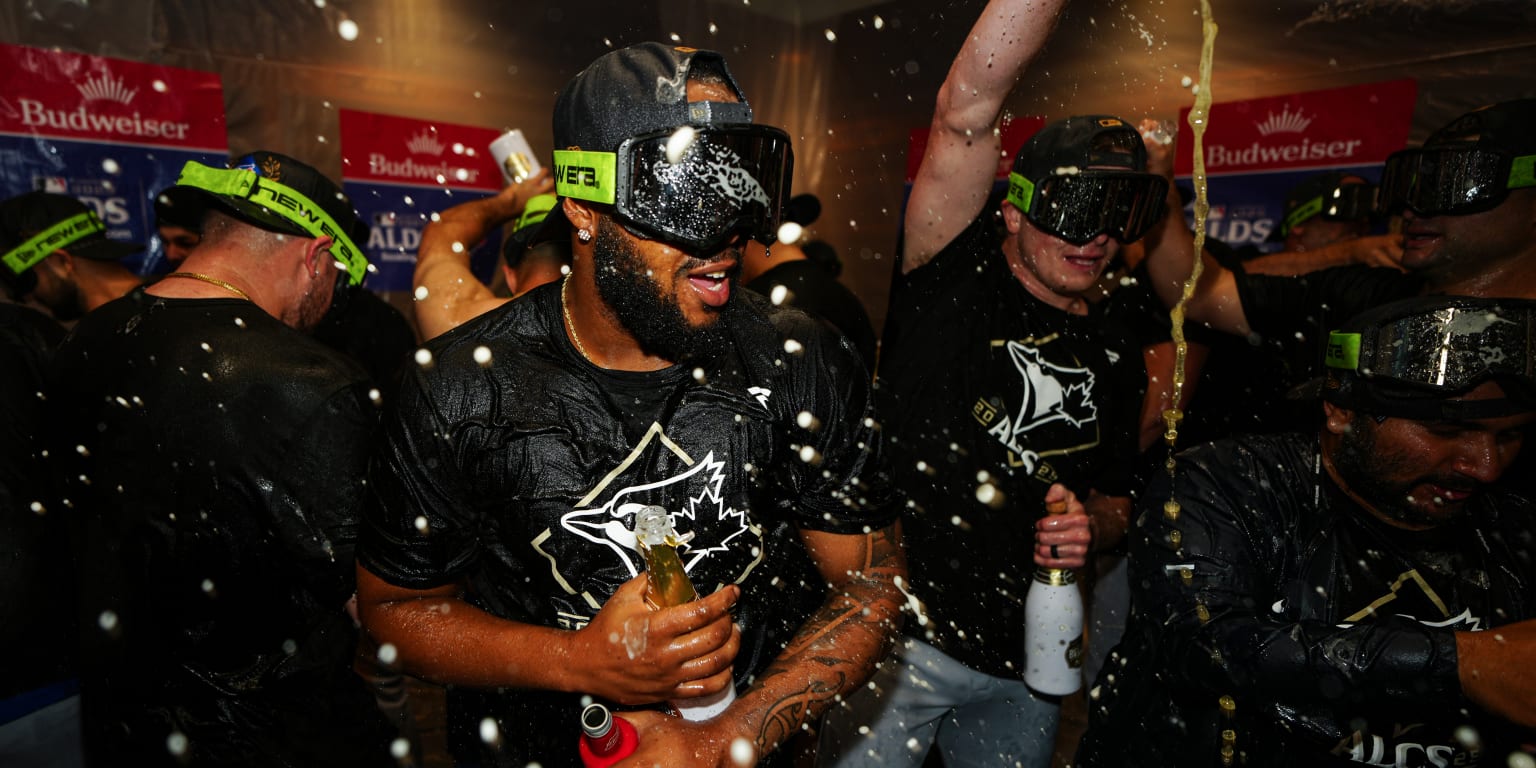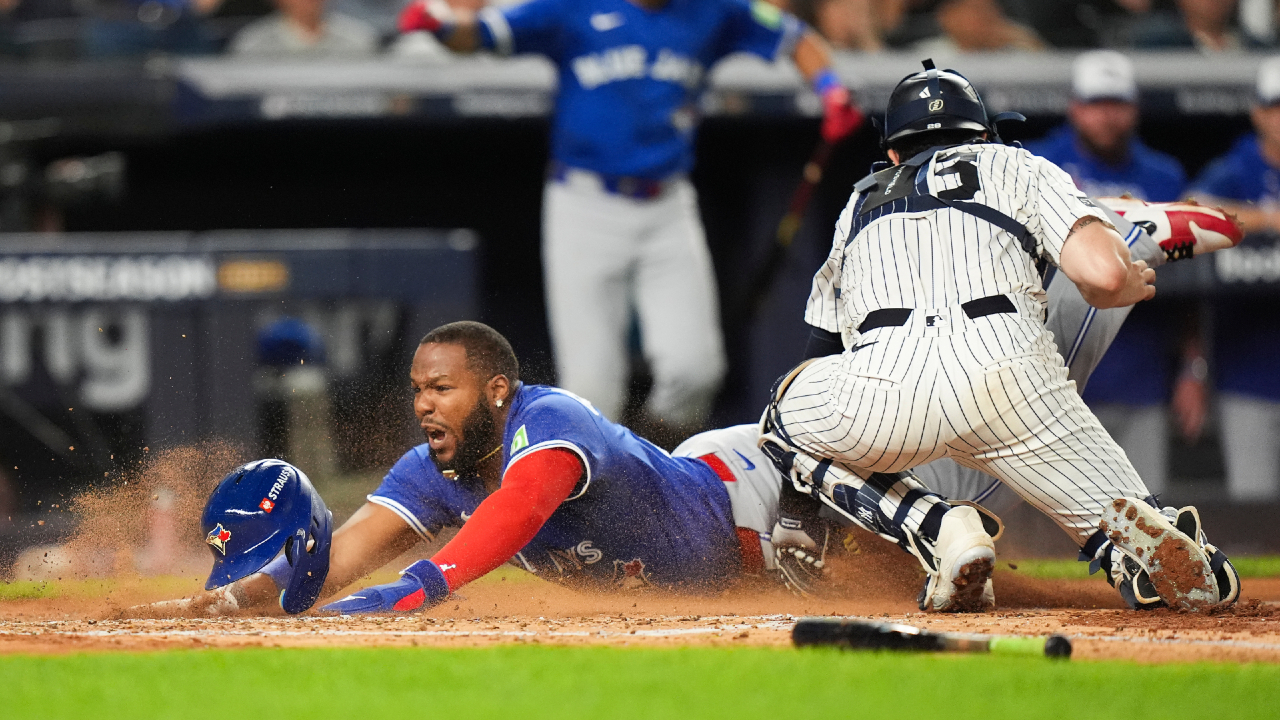
The Toronto Blue Jays arrive at Yankee Stadium facing a convergence of historical narrative and urgent statistical regression. While the memory of their previous ALDS celebration in the Bronx remains, the current landscape is defined by a 6.5-game deficit in the American League East. This four-game set serves as a critical diagnostic for a franchise struggling to reconcile its high-leverage potential with current operational volatility.
Central to Toronto’s offensive identity is Vladimir Guerrero Jr., whose performance has entered a significant corrective phase. Slashing just .136/.231/.273 over his previous six games, Guerrero’s output represents a stark departure from the elite metrics required for divisional contention. To reclaim his self-styled status as the ‘King of New York,’ Guerrero must solve a Yankees pitching staff that has effectively neutralized his power-hitting profile since the postseason.
Despite a 21-25 record, the Blue Jays remain strategically viable, trailing the final Wild Card spot by only one game. This proximity highlights a shift in the American League’s win distribution; on this date last season, the club held a similar 22-24 record but faced a steeper three-game climb toward a playoff berth. This mathematical cushion offers a narrow window for the front office to stabilize the roster before the trade deadline necessitates a pivot in long-term capital allocation.
The pitching matchups present a dichotomy of efficiency and risk. The series opens with Ryan Weathers (3.00 ERA) facing Patrick Corbin (3.93 ERA), a tactical opportunity for Toronto to exploit Corbin’s marginal inefficiencies. Tuesday’s pairing of Dylan Cease (2.41 ERA, 3-1) against Will Warren (3.42 ERA, 5-1) represents a mandatory win for the visitors, utilizing their rotation’s peak performance against a high-win-probability starter. Wednesday features a high-ceiling duel between Trey Yesavage (1.40 ERA) and Cam Schlittler (1.35 ERA), a matchup likely to be decided by plate discipline and the ability to avoid out-of-zone chases.
The series concludes with a high-risk Bullpen Day for Toronto, featuring Spencer Myles against veteran Carlos Rodón. While Rodón carries a 5.63 ERA, his veteran presence in high-traffic innings poses a challenge for a Toronto lineup suffering from systemic decline. Secondary contributors like Kazuma Okamoto (.111 average in last five games) and Ernie Clement (.158 average in last six appearances) must adjust their technical approach—specifically Okamoto’s positioning in the box—to provide the offensive run support required to alleviate pressure on the relief corps.
Ultimately, this series is a test of organizational resilience. The Yankees’ 28-19 record reflects a stabilization of their roster following an arduous offseason. For the Blue Jays, success in the Bronx is no longer about psychological posturing or celebratory gestures; it is about objective performance correction and securing the wins necessary to maintain pace in a volatile Wild Card race.